
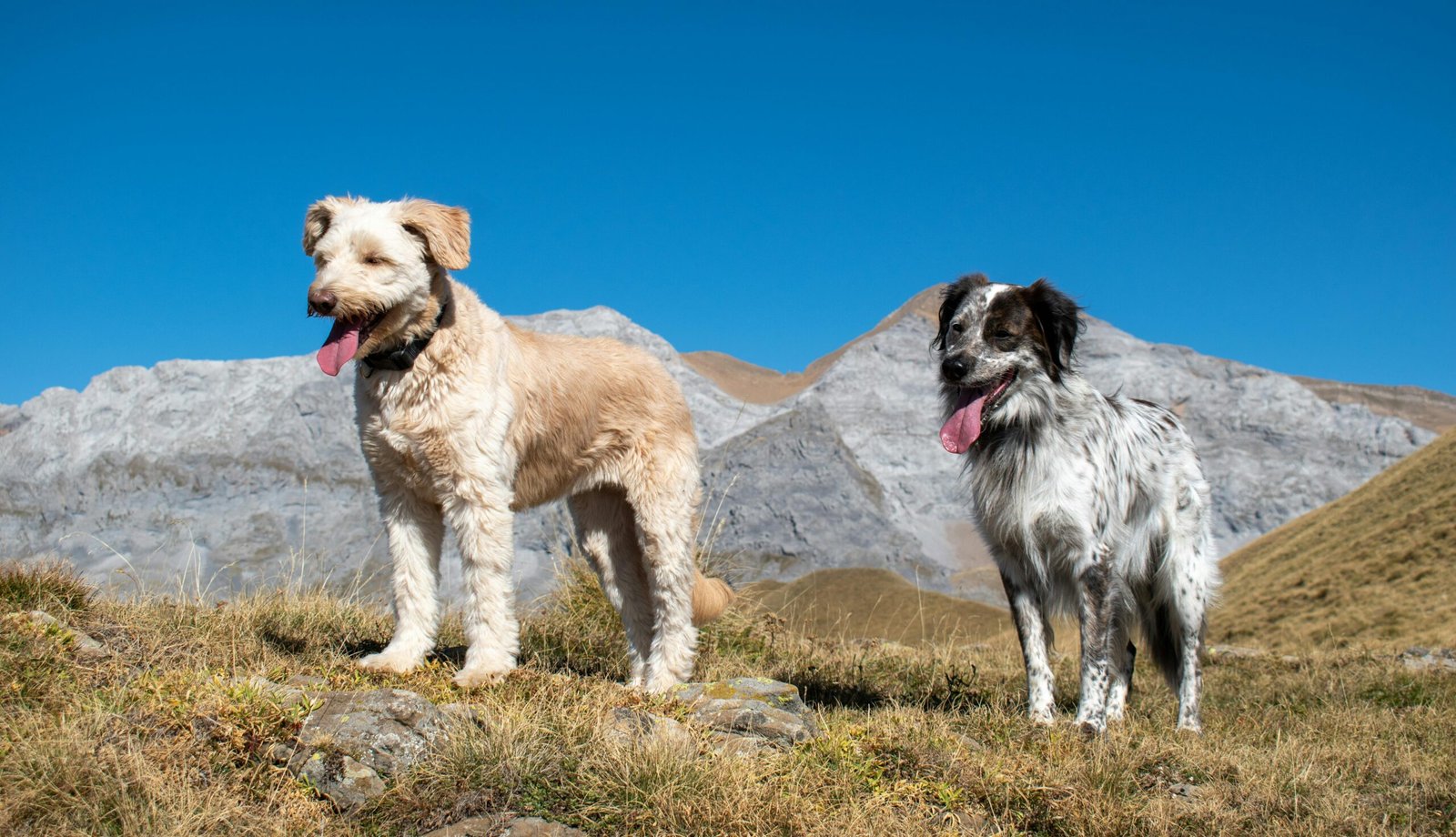
There’s something magical about exploring the great outdoors with your four-legged companion. Whether it’s the smell of pine needles underfoot, the sound of rushing streams, or the thrill of spotting wildlife from a distance, hiking through America’s national parks can be an unforgettable experience for you and your dog. But not all parks are equally welcoming to pets. To help you plan your next adventure, this guide explores some of the most dog-friendly national parks in the U.S., outlines the general regulations you need to know, and offers practical tips for keeping your canine companion safe and happy on the trail.
Yosemite National Park, California: Granite Peaks and Scenic Trails
Yosemite is famous for its towering granite cliffs and cascading waterfalls. While much of the backcountry is off-limits to dogs, there are still plenty of beautiful spots to explore together. Leashed dogs are allowed on all paved roads, sidewalks, and developed areas, including the paved paths around Yosemite Valley such as the Wawona Meadow Loop (a 3.5-mile trail through meadows and forests) and the flat path to Lower Yosemite Falls. Yosemite’s regulations require dogs to be on a leash no longer than six feet and prohibit them from going on unpaved trails, shuttle buses, or in lodging areas. Carry water for both yourself and your pet, and avoid crowded areas during peak seasons to help keep your dog comfortable.
Acadia National Park, Maine: Coastal Vistas and Carriage Roads
Located on the rugged coast of Maine, Acadia is one of the most pet-friendly national parks in the U.S. Dogs are allowed on over 100 miles of hiking trails and 45 miles of carriage roads, including the scenic Jordan Pond Path and the gentle Eagle Lake Loop. The Park Service requires pets to be on a leash no longer than six feet and prohibits them from swimming in designated beaches during summer months (although there is a small pet-friendly beach at Little Long Pond). Acadia’s carriage roads feature crushed granite surfaces that are easy on paws, but keep an eye out for bicyclists and horse-drawn carriages. As you take in the sweeping ocean views from Cadillac Mountain or explore the tree-lined paths, always pack out waste and respect wildlife.e’s something magical about exploring the great outdoors with your four-legged companion. Whether it’s the smell of pine needles underfoot, the sound of rushing streams, or the thrill of spotting wildlife from a distance, hiking through America’s national parks can be an unforgettable experience for you and your dog. But not all parks are equally welcoming to pets. To help you plan your next adventure, this guide explores some of the most dog-friendly national parks in the U.S., outlines the general regulations you need to know, and offers practical tips for keeping your canine companion safe and happy on the trail.
Shenandoah National Park, Virginia: Blue Ridge Mountain Escapes
Shenandoah offers more than 500 miles of trails that welcome leashed dogs, making it a top destination for hikers and their furry friends. The park’s dog-friendly trails range from easy strolls to challenging climbs. The 1.4-mile Limberlost Trail is a flat, crushed-gravel path suitable for all ages and fitness levels, while the Old Rag Loop provides a strenuous day-long trek with sweeping vistas for experienced hikers. Dogs must remain on a six-foot leash, and some trails may be temporarily closed due to weather or wildlife concerns, so check the park’s website before heading out. Prepare for changing weather conditions on the Blue Ridge Parkway, and keep your pup away from steep cliffs.
Grand Canyon National Park, Arizona: Desert Wonders with Canine Companions
The Grand Canyon’s expansive vistas attract millions of visitors every year. Though most inner-canyon trails are closed to pets, the park offers the paved Rim Trail and the section of the Greenway Trail connecting the South Kaibab Trailhead to Tusayan for dogs on leashes. The Rim Trail stretches nearly 13 miles along the canyon’s edge, providing breathtaking views while remaining relatively flat. In the South Rim area, Mather Campground even has a dedicated pet-friendly loop. Always carry extra water when hiking here, as desert temperatures can soar even in spring and fall. Never leave your dog unattended in a vehicle or tied outside of facilities, and avoid hiking during the heat of the day.
Great Sand Dunes National Park, Colorado: Sand, Sun, and Alpine Forests
Great Sand Dunes is unique among national parks for its giant sand dunes rising against a backdrop of alpine peaks. The park welcomes dogs on the dunes and the adjacent Medano Pass Primitive Road, as long as they are leashed and you avoid the wetlands and closed areas. Early morning or evening visits are best, since the sand can reach temperatures above 150°F in summer. Hiking on soft sand can be strenuous for dogs, so plan shorter excursions and bring protective booties if your dog has sensitive paws. Nearby, the Mosca Pass Trail leads through shaded forest and grassy meadows, providing a cooler alternative to the dunes.
General Regulations for Visiting National Parks with Dogs
Although each park has its own specific rules, there are common regulations that apply almost everywhere. Dogs must be leashed at all times, usually with a leash no longer than six feet. They are typically allowed in developed areas, campgrounds, picnic spots, and paved trails but restricted from wilderness areas, visitor centers, beaches, and swimming areas. Always carry waste bags and pick up after your pet—leaving waste on the trail can harm the ecosystem and spread disease. Never leave your dog unattended in a parked vehicle, especially in hot weather. Check park websites or call ahead to confirm current pet policies, as regulations may change due to wildlife activity or construction.
Tips for Hiking with Your Dog
Preparation is key to a successful and safe hiking trip with your dog. Start by conditioning your pet with shorter hikes and gradually increasing the distance and difficulty to build stamina. Before leaving home, consult your veterinarian to ensure your dog is up to date on vaccinations and preventative medications (especially for ticks and heartworm). Pack essentials such as a collapsible water bowl, extra water, treats, a first-aid kit, and a towel for cleaning off mud or sand. Consider using a harness for better control on steep terrain and attach ID tags and a microchip in case your dog gets lost. Watch for signs of fatigue, heat stress, or paw injuries, and take frequent breaks in the shade. In areas with rugged terrain or water crossings, invest in protective booties or a life jacket if needed. Respect other hikers by yielding the trail, keeping your dog close, and following Leave No Trace principles.
Planning Your Adventure
Choosing the right national park depends on your dog’s temperament, size, and energy level. If your dog is a high-energy breed that thrives on long hikes and cooler weather, consider a park like Shenandoah or Acadia with abundant trails and shade. For older dogs or those who prefer leisurely walks, the paved paths of Yosemite Valley or the Rim Trail at the Grand Canyon might be more suitable. Research the climate, seasonal closures, and any special hazards (such as ticks in grassy areas or cactus spines in desert parks) and adjust your itinerary accordingly. Always have a backup plan—unpredictable weather or trail closures may require flexibility.
Conclusion
Exploring national parks with your dog can be a rewarding way to bond and immerse yourself in nature. By choosing dog-friendly parks, adhering to regulations, and preparing thoughtfully, you can ensure a safe and enjoyable experience for both you and your canine companion. Whether you’re walking along a cool forest trail, traversing windswept dunes, or gazing out over a vast canyon, the memories you make together will be well worth the extra planning. So leash up, pack your gear, and start planning your next dog-friendly national park adventure.