
Introduction
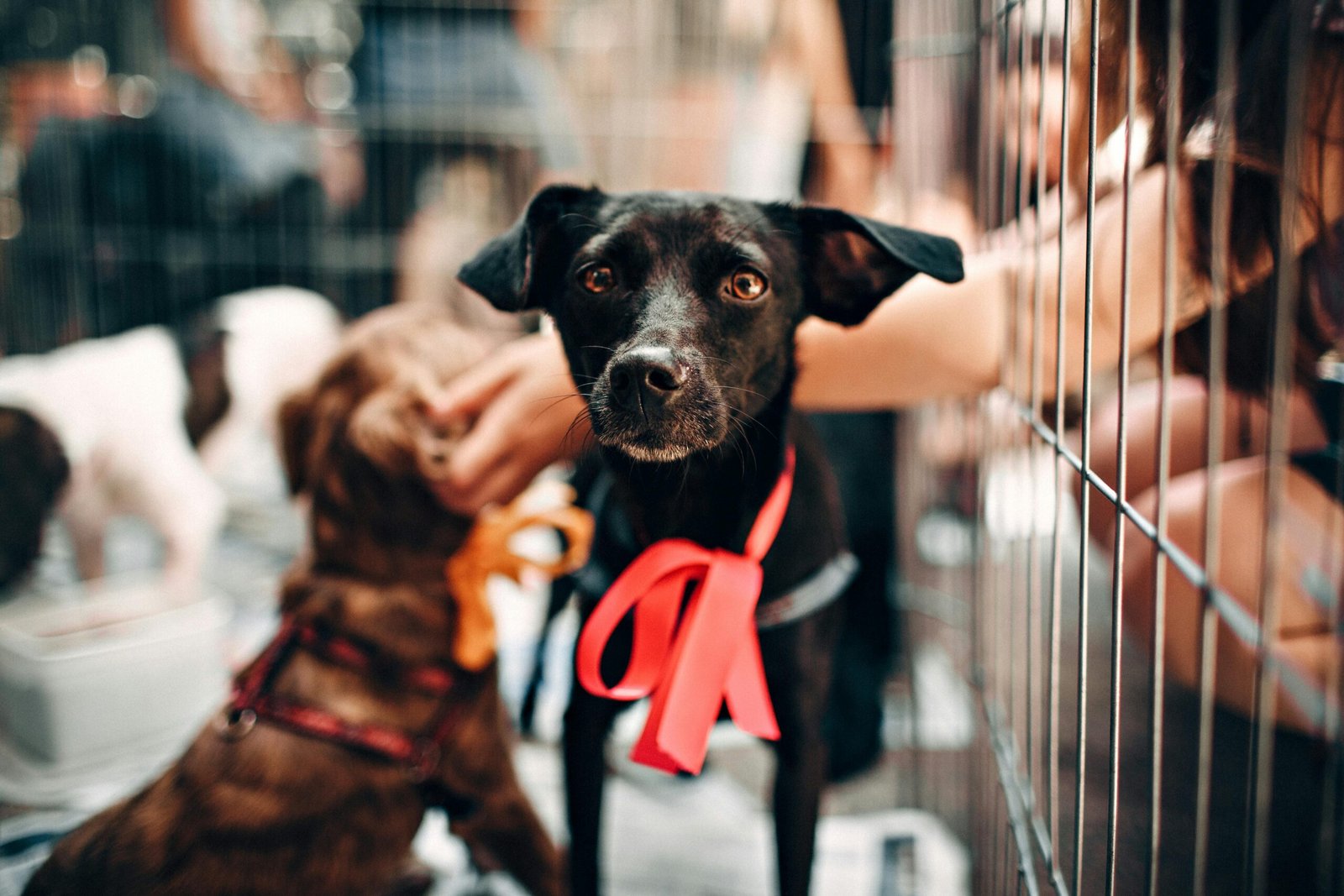
Bringing home a rescue dog is one of the most rewarding things you can do — but it’s not always easy. Many rescue dogs come with emotional scars, fears, or habits learned from difficult pasts. Whether your new companion hides in corners, jumps on guests, or flinches at sudden movements, these behaviors are signs of survival, not stubbornness. With time, patience, and compassion, your rescue can learn that life with you means safety, stability, and love.
This guide walks you through how to train and rehabilitate a rescue dog, step by step — from earning trust to breaking old habits with gentle, positive techniques.
1. Start with Empathy, Not Expectations
When you bring home a rescue, the goal isn’t to start training on day one — it’s to build trust. Your new dog has likely experienced change, confusion, or even neglect. Before you can teach obedience, you must teach security.
- 🐕 Give them time to explore their new home at their own pace.
- 🛏️ Create a quiet, safe space (a bed or crate) where they can retreat and feel protected.
- 💬 Use a calm voice and avoid overwhelming them with attention or commands.
Pro Tip: Think of the first few weeks as the “honeymoon period.” Build connection, not correction. Training will come more easily once your dog feels safe.
2. Understand the 3-3-3 Rule for Rescue Dogs
The 3-3-3 rule is a helpful guide to understanding the adjustment timeline for rescue dogs:
- 3 Days: They’re overwhelmed, nervous, and unsure. Expect withdrawal or restlessness.
- 3 Weeks: They start to feel more comfortable, test boundaries, and reveal true personality.
- 3 Months: They begin to feel fully at home — trust develops, and training progress takes off.
Pro Tip: Celebrate small wins during this period. Eating regularly, exploring new rooms, or making eye contact are all signs of trust forming.
3. Build a Foundation of Trust
Trust training begins with predictable, positive interactions. Dogs thrive when they know what to expect. Avoid sudden changes, loud noises, or physical corrections — they can trigger old fears or defensive reactions.
- 🕒 Keep consistent daily routines — meals, walks, and rest times.
- 🤝 Use gentle hand gestures and soft tones.
- 🍗 Offer treats for calm behavior, not just obedience.
Trust isn’t built overnight — it’s earned through calm consistency. Once your dog feels secure, training becomes collaboration instead of resistance.
4. Identify Triggers and Fears
Many rescue dogs have specific triggers — loud noises, men with hats, vacuum cleaners, or being left alone. The key to overcoming these fears is gradual exposure and positive association, not avoidance or force.
- Observe: Notice what causes your dog to flinch, freeze, or bark.
- Desensitize: Introduce the trigger at a safe distance or volume where they stay calm.
- Countercondition: Pair the trigger with something positive — treats, toys, or praise.
Example: If your dog fears men, have a trusted male friend toss treats without direct eye contact, slowly closing distance over days or weeks.
5. Use Positive Reinforcement Only
Rescue dogs often shut down or regress when punished. Instead, use reward-based methods to build motivation and confidence.
- 🎉 Reward calm or desirable behaviors immediately.
- 🚫 Ignore or redirect unwanted behaviors — don’t scold.
- 🗣️ Use clear, short commands paired with cheerful tones.
Pro Tip: Keep training sessions short (5–10 minutes) and end on a positive note. Success should always feel safe and fun.
6. Address Common Behavioral Challenges
Fearful Dogs
Fearful dogs benefit from gentle exposure and confidence-building exercises. Avoid forcing them into stressful situations — let curiosity lead.
- 🐾 Use treats to encourage exploration of new areas.
- 💬 Speak softly and use calming body language (turn sideways, crouch, avoid staring).
- 🏡 Gradually expose them to new sounds — start with low-volume recordings and build up.
Dogs with Bad Habits (Jumping, Pulling, Chewing)
Remember: habits form from repetition, not malice. Redirect, don’t reprimand.
- 🐶 Jumping: Ignore and reward calm greetings only.
- 🦮 Leash pulling: Use “stop and stand still” training — forward motion resumes only when the leash is loose.
- 🦴 Chewing: Provide approved chew toys and praise when they use them.
Dogs with Separation Anxiety
Many rescues fear being left alone due to abandonment trauma. Start small:
- 🚪 Practice short absences — step out for seconds, then minutes.
- 🎵 Leave calming music and safe toys behind.
- 🏠 Avoid emotional goodbyes or greetings — stay calm.
7. Socialization — Slowly and Gently
Some rescues missed key socialization windows early in life. That’s okay — you can still help them adapt to new people, pets, and environments through slow, positive experiences.
- 🐕 Start with one calm dog or person at a time.
- 🏞️ Choose neutral, quiet locations for introductions.
- 🦴 Reward curiosity, not forced interaction.
Pro Tip: Socialization is about quality, not quantity. Let your dog decide their comfort level — confidence grows naturally from choice.
8. Rebuilding Confidence Through Training
Once trust is established, obedience training becomes a confidence booster. Focus on achievable commands that empower your dog, such as “sit,” “touch,” or “stay.” Every success builds resilience and trust.
- 🎯 Use hand signals for shy or sound-sensitive dogs.
- 🏅 Celebrate small wins — even eye contact deserves praise.
- 💡 Avoid overtraining — keep sessions upbeat and brief.
9. When to Seek Professional Help
Some behaviors — like aggression, extreme fear, or reactivity — may require guidance from certified trainers or behaviorists. Look for professionals who use force-free, positive methods and understand trauma-informed canine care.
- 🎓 Certified behaviorists (CBCC-KA or CAAB) specialize in emotional rehabilitation.
- 🐾 Rescue-focused trainers understand fear-based behaviors.
10. Patience Pays Off
Progress with rescue dogs is rarely linear. There will be setbacks, but each small victory — a tail wag, relaxed nap, or first playful moment — marks a milestone in healing. The dog who once trembled at your approach may one day greet you with pure joy. That’s the beauty of rescue training: it transforms not only your dog’s life but your own capacity for empathy and patience.
Conclusion
Training a rescue dog isn’t about perfection — it’s about connection. By focusing on safety, trust, and positive experiences, you’ll help your dog replace fear with confidence. Every day becomes a step away from the past and toward a happier, more secure future. Because the most powerful training tool you have isn’t a leash or a treat — it’s love, offered consistently and without condition.


Good – I should definitely pronounce, impressed with your web site. I had no trouble navigating through all the tabs as well as related info ended up being truly simple to do to access. I recently found what I hoped for before you know it in the least. Reasonably unusual. Is likely to appreciate it for those who add forums or something, web site theme . a tones way for your customer to communicate. Excellent task.
I have not checked in here for a while as I thought it was getting boring, but the last few posts are good quality so I guess I’ll add you back to my daily bloglist. You deserve it my friend 🙂