
Introduction
Imagine a training routine that blends fun, fitness, and focus — where your dog zips through tunnels, balances on beams, and leaps over jumps with confidence. Welcome to agility training, the ultimate sport for dogs and their humans. Whether you dream of competing or simply want to channel your pup’s energy into something productive, agility is a fantastic way to build trust, coordination, and pure joy.
And the best part? You can start right in your backyard or local park — no fancy equipment required.
1. What Is Agility Training?
Agility training is a structured activity where dogs navigate an obstacle course guided by verbal cues and body signals from their handler. It’s like a playful dance between dog and human — full of teamwork, communication, and enthusiasm.
- 🐾 Goal: Teach your dog to move confidently through various obstacles — tunnels, jumps, weave poles, and balance beams.
- 💞 Focus: Build connection, not competition.
- 🏆 Benefit: A fit, confident, and well-mannered dog who loves to learn.
Pro Tip: Agility isn’t just for Border Collies or Aussies — any breed (and any age!) can enjoy it when the course is scaled to their ability.
2. Why Start Agility?
- 💪 Physical exercise: Agility burns off energy and builds muscle tone.
- 🧠 Mental stimulation: Complex obstacle sequences challenge focus and problem-solving skills.
- 💬 Communication: Strengthens non-verbal connection between you and your dog.
- 🎉 Confidence booster: Each mastered obstacle makes your dog braver and prouder.
Dogs thrive when they have a job. Agility gives them purpose — and you both get to share the thrill of teamwork.
3. Getting Started: Foundation Skills
Before hitting the course, make sure your dog has these basics down:
- 🐶 Reliable recall: Your dog should come when called, even around distractions.
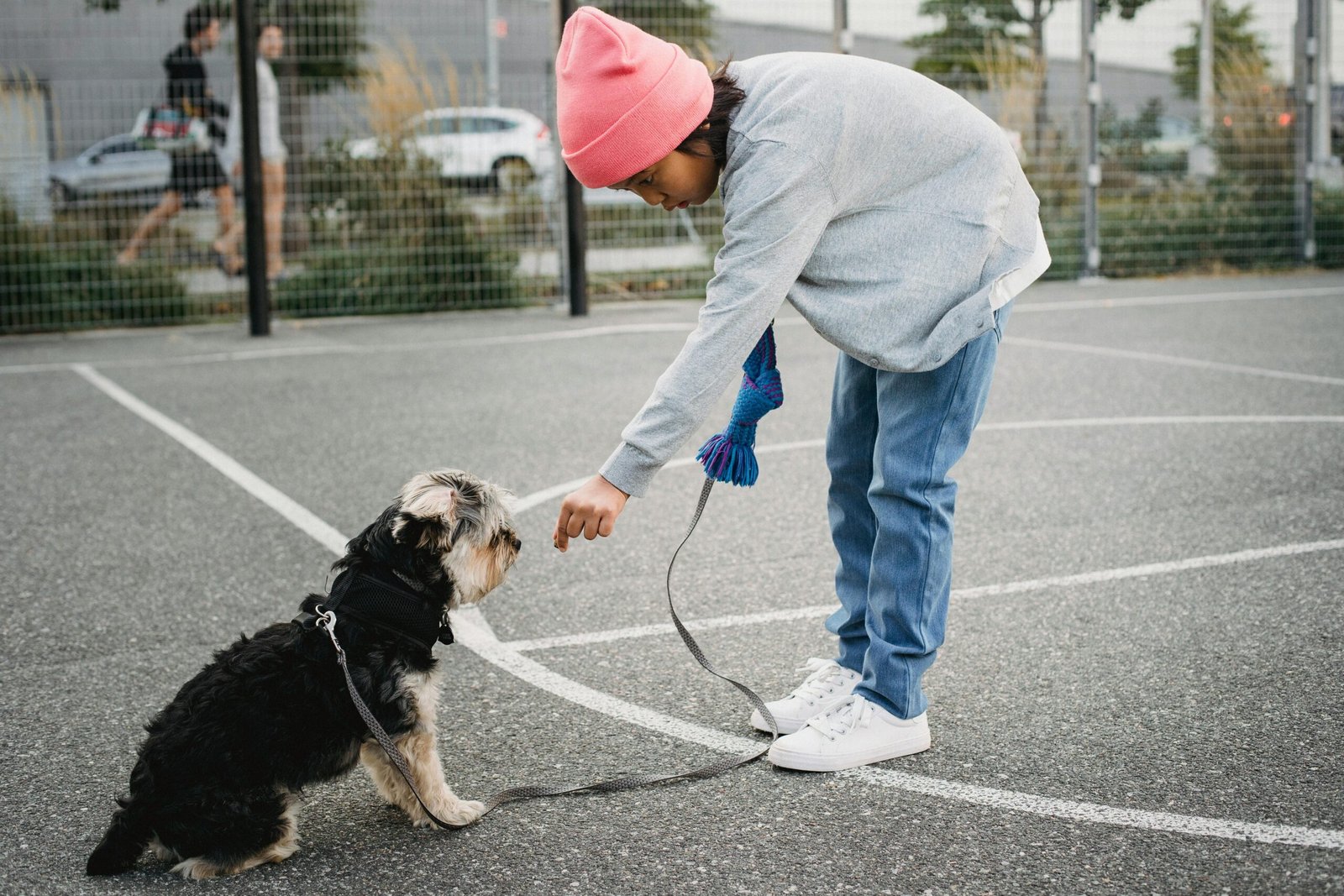
- 🦮 Focus: Practice eye contact and engagement games to strengthen attention.
- 🪑 Wait or stay: Critical for safety when lining up at obstacles.
- 🐾 Body awareness: Teach simple movements like “paws up” or “walk on” to develop coordination.
Pro Tip: Reward attention more than perfection. You want a dog that looks to you for cues, not one that guesses independently.
4. Essential Agility Obstacles
You don’t need a full competition setup to start agility. Here are the main obstacles and how to introduce them safely:
🌀 Tunnel
Start with a short, straight tunnel. Let your dog explore it at their own pace.
- Hold a treat or toy at the far end and encourage your dog to go through.
- Celebrate and reward when they emerge — even if it’s just halfway at first!
- Gradually increase length and add slight curves.
Pro Tip: Keep tunnels wide and bright at first — darker ones can intimidate shy dogs.
🏃 Jump
Use adjustable bars or broomsticks between two low objects. Keep height minimal until your dog’s joints are mature (especially under 12 months).
- Start with poles on the ground — teach them to “step over.”
- Add the cue “Jump!” once they understand the motion.
- Raise height slowly — 1–2 inches per week for safety.
Pro Tip: Always let your dog approach jumps at a comfortable speed — never chase them toward obstacles.
🪜 Balance Beam (or Dog Walk)
This teaches coordination and confidence with narrow surfaces.
- Start with a flat board on the ground. Lure your dog across with treats.
- Once confident, raise it slightly off the ground using sturdy supports.
- Reward after every few steps to build calm focus.
Pro Tip: Keep sessions short — balance exercises are mentally demanding.
⚙️ See-Saw (Teeter)
The see-saw teaches control and confidence under movement. Begin slowly.
- Start with a low, stable board that tilts gently.
- Encourage your dog to place front paws on it and reward calmness.
- Gradually let the board tip as they gain comfort.
Pro Tip: Reward for staying calm through motion — it builds trust and balance.
🏗️ Weave Poles
One of the most iconic agility moves! Begin with wide spacing and guide your dog through a zig-zag path.
- Use six poles to start, spacing them about 2 feet apart.
- Guide with a treat or hand signal — reward each correct “weave.”
- As skill improves, close the spacing gradually.
Pro Tip: Keep movements rhythmic — weave training is about timing and flow, not speed.
5. Building Communication Through Body Language
Agility isn’t just about commands — it’s about cues, timing, and trust. Dogs read your shoulders, hand gestures, and voice tone more than words.
- 💬 Use clear, consistent cues (“Tunnel!”, “Jump!”, “Over!”).
- 🦵 Face the direction you want your dog to go — your body leads them.
- 🎯 Reward eye contact and focus after each obstacle to keep engagement high.
Pro Tip: Practice short sequences (2–3 obstacles) before chaining longer runs. Consistency beats chaos!
6. Backyard Agility on a Budget
You don’t need professional gear to start. Here’s how to DIY your own mini course:
- 🧱 Jumps: Broomsticks and buckets or PVC pipes.
- 🌀 Tunnel: Children’s play tunnel.
- 🪜 Balance beam: Sturdy plank over low bricks.
- 🚪 Weaves: Traffic cones, garden stakes, or even water bottles.
Pro Tip: Keep the setup simple and flexible. Rotate obstacles to keep your dog mentally fresh.
7. Common Mistakes to Avoid
- 🚫 Overtraining: Too much repetition causes fatigue and frustration.
- 🚫 Rushing progression: Let confidence build before increasing difficulty.
- 🚫 Ignoring warm-ups: A few minutes of walking and stretching prevent injury.
- 🚫 Forcing participation: If your dog hesitates, slow down and make it positive again.
8. The Role of Rewards and Play
Rewards are the glue that keeps agility fun. Alternate between treats, toys, and praise to keep motivation high.
- 🎾 Tug toys for high-energy dogs who love play rewards.
- 🍖 Treats for precision work and calmer temperaments.
- 🎯 Verbal praise for confidence boosts between runs.
Pro Tip: End every session with an easy “victory lap” — one final fun run with big celebration energy!
9. Safety and Conditioning
Agility should challenge your dog, not strain them. Prioritize health and conditioning to ensure longevity and enjoyment.
- 🦴 Puppies under 1 year: stick to flat groundwork — no jumps yet.
- 🩺 Senior dogs: use low-impact obstacles like tunnels and weaves only.
- 🧘 Stretch before and after — gentle paw lifts and side bends help flexibility.
- 💧 Hydrate often, especially outdoors in warm weather.
10. Joining an Agility Club or Class
Once you’ve mastered the basics, consider joining a local agility club. Group settings offer new challenges, socialization, and expert guidance. Trainers can help fine-tune your timing and body language while introducing more advanced obstacles.
Even if you never compete, classes provide structure, confidence, and fun — for both ends of the leash.
Conclusion
Agility training is more than a sport — it’s a shared adventure built on trust, laughter, and teamwork. Whether your dog is sprinting through tunnels or mastering their first balance beam, every success deepens your connection. Start simple, stay positive, and celebrate progress. Because in the end, agility isn’t about speed or ribbons — it’s about joy, movement, and the unspoken bond between you and your best friend.