

If you’ve ever watched your dog freeze at the sight of a squirrel or launch toward a rustling leaf, you’ve seen prey drive in action. These predatory instincts are completely normal—dogs inherited them from their wild ancestors, and they can’t be “trained out.” Instead of trying to suppress this natural behavior, the goal is to understand it and channel it into safe, controlled activities. With the right approach, you can support your dog’s instincts while improving communication and trust.
What Is Prey Drive?
Prey drive is the instinctive sequence of behaviors that push a dog to chase, catch, and sometimes dispatch moving objects. Wolves use this sequence to hunt, and domestic dogs still retain these instincts, though selective breeding has emphasized different parts of the chain depending on the job. Sighthounds, terriers, herding dogs, sporting dogs, and northern breeds often have especially strong prey instincts—but even small companion breeds display it when they pounce on toys or chase shadows.
It’s important to understand that prey drive is not aggression. It’s motivation. A dog chasing a cat or rabbit isn’t acting out of anger; they’re responding to instinct. Because this drive is hard-wired, punishment won’t make it disappear—in fact, it can create frustration and anxiety. Working with the instinct is far more effective.
Breeds with Strong Prey Drive
All dogs have prey drive to some degree, but certain breeds are especially driven. Examples include:
- Sighthounds (Whippets, Greyhounds, Salukis) – lightning-fast chasers drawn to quick movement.
- Terriers (Jack Russell, Rat Terrier) – bred to hunt and dispatch vermin.
- Herding breeds (Border Collie, Australian Cattle Dog) – selective breeding strengthened their stalking and chasing instincts.
- Sporting dogs (Pointers, Retrievers) – natural enthusiasm for searching, chasing, and retrieving.
- Northern breeds (Husky, Malamute) – independent hunters with strong chase instincts.
Even mixed-breed dogs may show strong prey traits, so observe your dog closely. Freezing, stalking, intense staring, and sudden bursts of chasing all signal prey-driven behavior.
Why Management Matters
Unchecked prey drive can lead to unsafe or stressful situations—bolting after wildlife, slipping out of a collar, chasing livestock, or going after smaller household pets. Even if your dog never catches anything, repeated chasing reinforces the behavior. Thoughtful management helps keep everyone safe while still meeting your dog’s instinctive needs.
Predation Substitute Training (PST)
Because prey drive can’t be removed, behavior professionals recommend Predation Substitute Training. PST channels predatory instincts into safe outlets and teaches dogs alternative behaviors that you can use in real-life situations.
Management and Prevention
First, prevent your dog from practicing dangerous chasing. Helpful management strategies include:
- Supervising yard time and securing fences to block wildlife access.
- Using a sturdy harness and long line on hikes or in open spaces.
- Avoiding high-wildlife areas if your dog has strong triggers.
- Keeping small pets safely separated using gates or secure enclosures.
Substitute Activities and Games
Once your management plan is solid, offer your dog safe ways to express their instincts. Effective PST activities mimic pieces of the predatory sequence—stalking, chasing, grabbing, shaking, and dissecting:
- Flirt pole play: encourages chasing and pouncing in a controlled space. Let your dog “win” sometimes to avoid frustration.
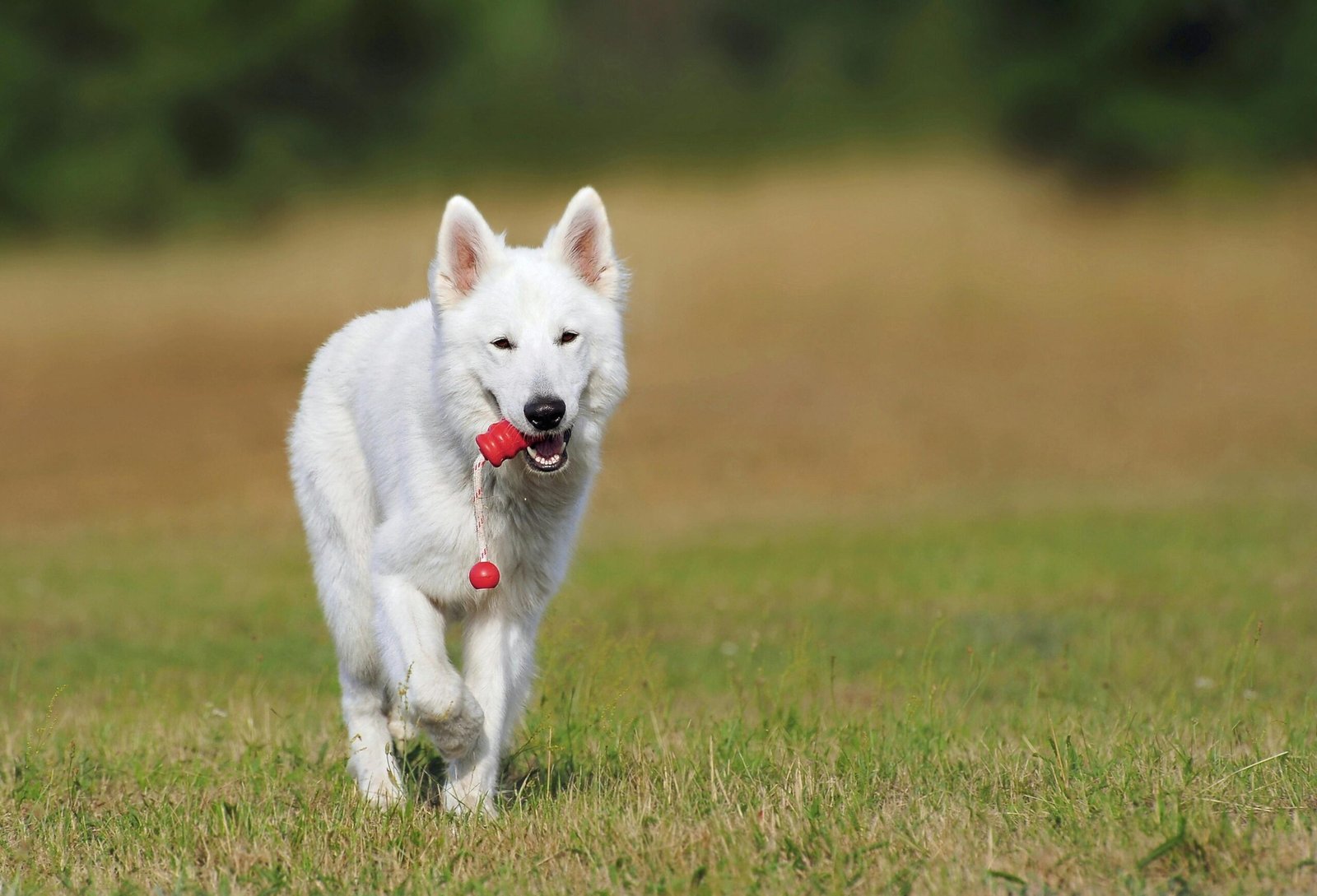
- Fetch and tug: great for dogs who enjoy grabbing, shaking, and carrying objects.
- Food puzzles and shreddable toys: stuffed toys or puzzle feeders allow controlled “dissecting.” Always supervise.
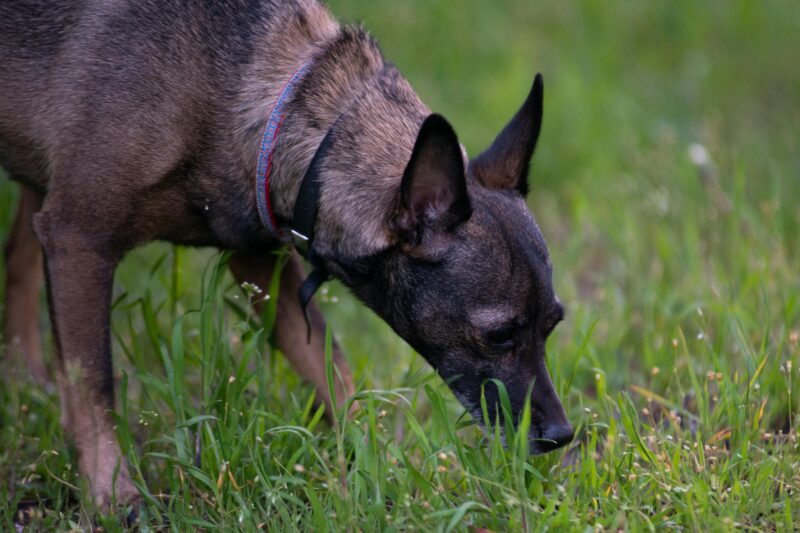
- Scent work: hide treats or use boxes to mimic searching and tracking. Perfect for dogs that can’t safely run off-leash.
- Dog sports: lure coursing, barn hunt, flyball, or tracking provide structured, instinct-satisfying challenges.
Training Essential Cues
Even with substitute outlets, training key cues helps you interrupt unsafe situations and guide your dog’s behavior:
- Recall (Come): Practice in low-distraction areas first. Use extremely high-value rewards when your dog chooses you over something exciting.
- Emergency cue: A special, rarely used word with a guaranteed reward. Train separately and keep it sacred.
Impulse-control exercises such as “Leave it,” “Stay,” and “Look at That” can also help your dog make better choices when they spot potential prey.
Realistic Expectations and Safety Tips
Even with excellent training, some dogs will never be safe off-leash around wildlife—and that’s okay. Keep these principles in mind:
- Know your dog’s limits: don’t create situations where failure is likely.
- Protect small pets: never assume prey-driven dogs can coexist unsupervised with small animals.
- Use proper gear: harnesses protect the throat and give you more control if your dog lunges.
- Stay calm: punishment won’t reduce prey drive; redirection and reinforcement will.
- Meet their needs: regular exercise and enrichment keep frustration low.
Conclusion
Prey drive is a natural, deeply rooted part of your dog’s behavior. Instead of trying to suppress it, learning to manage and channel it leads to safer outings, a more fulfilled dog, and a stronger bond between you. With a mix of management, substitute activities, and reliable training cues, you can embrace your dog’s instincts while keeping their world safe and enriching.

What i do not understood is in fact how you are no longer really a lot more neatly-favored than you may be right now. You are so intelligent. You recognize therefore considerably in the case of this subject, made me in my view consider it from numerous various angles. Its like women and men aren’t involved except it?¦s one thing to do with Woman gaga! Your personal stuffs nice. Always care for it up!
An attention-grabbing discussion is worth comment. I think that it’s best to write more on this topic, it won’t be a taboo subject but usually people are not sufficient to speak on such topics. To the next. Cheers
Woh I love your posts, saved to favorites! .