The Keeshond is one of the most recognizable spitz breeds, known for its plush double coat, curled tail, and iconic “spectacles” of dark fur around the eyes. Friendly, expressive, and deeply devoted to their families, Keeshonden make wonderful companions. This guide covers their history, appearance, temperament, grooming needs, and key considerations for anyone thinking about adding one to their home.
History and Origins
Originating in Holland, the Keeshond spent centuries working as a watchdog on river barges and canal boats. In the 18th century, the breed became a symbol of Dutch patriotism when Dutch patriot Pieter de Gyselaer’s dog, “Kees,” inspired supporters to call themselves Keeshonden. After political tides shifted, the breed nearly vanished, but dedicated fanciers preserved it. Today, the Keeshond is cherished for its cheerful temperament and loyal nature.
Physical Characteristics
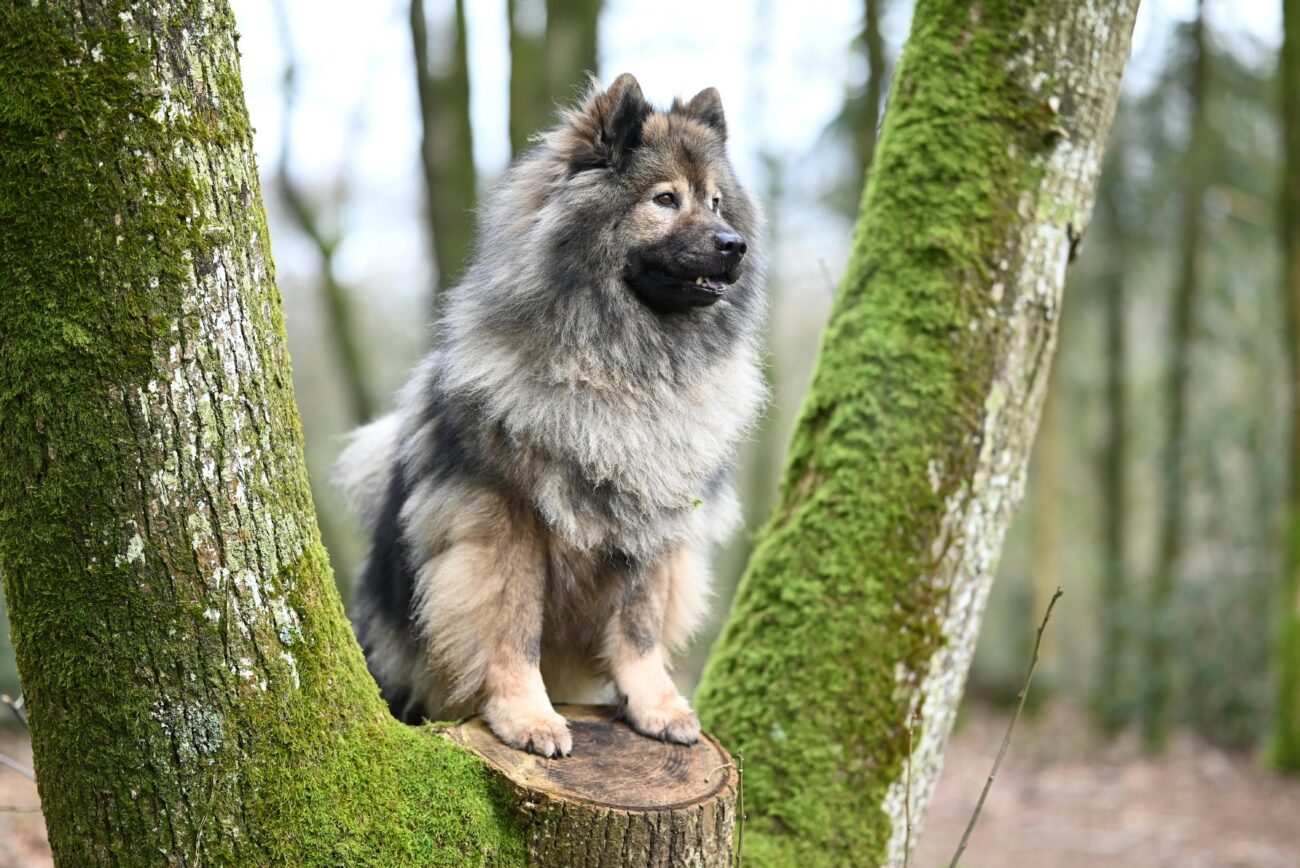
Keeshonden are medium-sized dogs weighing 35–45 pounds and standing 17–18 inches tall. They feature a fox-like face with pointed ears, a thick mane-like ruff around the neck, and a richly plumed tail curled tightly over the back. Their double coat includes a dense woolly undercoat and a longer outer coat that stands away from the body.
Typical coat colors include gray and black with cream or silver highlights—the distinctive dark fur around the eyes creates the classic “spectacle” expression the breed is famous for.
Grooming Needs
Their abundant coat requires regular upkeep:
- Brush 2–3 times per week to remove loose hair and prevent matting.
- Increase brushing during seasonal shedding.
- Never shave a Keeshond—the double coat regulates temperature naturally.
- Bathe occasionally to avoid stripping natural oils.
- Trim nails monthly and check ears regularly.
Exercise Needs
Keeshonden are playful and energetic but do well with moderate exercise. Daily walks plus light play sessions—totaling 30–60 minutes—usually meet their needs. They adapt surprisingly well to smaller living spaces, especially when included in family activities. Many enjoy agility, trick training, and other mentally enriching sports.
Temperament and Personality
Keeshonden are often called “the smiling Dutchmen” for their happy expression and affectionate nature. They thrive on companionship and prefer to stay close to their people. When socialized early, they get along well with children and other pets. Naturally alert, they will bark to announce visitors, but they are not aggressive.
Because they’re so people-oriented, they may develop separation anxiety if left alone too long. Providing structure, attention, and regular mental stimulation helps them flourish.
Training and Socialization
Smart, eager to please, and sensitive, Keeshonden excel with positive reinforcement. According to PetMD, they respond beautifully to praise and treats and often shine in obedience work. Begin training early—many clubs recommend puppy kindergarten at 9–12 weeks.
Use reward-based methods, avoid harsh corrections, and keep sessions upbeat. Activities like agility, scent games, and puzzle toys offer excellent mental outlets and strengthen your bond.
Health and Care
While generally healthy, the breed is predisposed to some conditions:
- Hip dysplasia – screened by responsible breeders.
- Patellar luxation – can vary in severity; surgery may be needed in some cases.
- Primary hyperparathyroidism – an inherited disorder affecting calcium levels.
Routine veterinary visits, a balanced diet, and consistent grooming support long-term well-being. Most adults do well on two meals a day combined with daily exercise and mental enrichment.
Is a Keeshond Right for You?
If you’re looking for a loving, intelligent companion who thrives on family life, the Keeshond may be a great match. They adapt well to apartments as long as they get daily activity and attention. However, their thick coat requires regular grooming, and they prefer not to be left alone for long hours.
With proper socialization, training, and care, Keeshonden bring years of joy, loyalty, and their signature smile to any home.