A dog that pulls on leash can turn a peaceful walk into a frustrating tug-of-war. Teaching loose-leash walking makes outings safer, calmer and far more enjoyable. Unlike a formal heel, loose-leash walking simply means your dog keeps slack in the leash while still exploring and staying connected to you. This guide explains why it matters, what equipment you need and exactly how to train it.
Why Loose-Leash Walking Matters
Pulling isn’t just annoying—it can be harmful. Constant pressure on a dog’s neck may lead to tracheal damage, and handlers risk shoulder or back strain. Teaching polite leash manners builds focus, increases safety and strengthens your bond during daily walks.
Gather Your Equipment
The right tools make training easier. According to Every Dog Austin’s handout, you’ll need:
- A well-fitting front-clip harness to reduce pulling
- A standard 4–6 ft leash
- High-value treats cut into small pieces
- Plenty of patience
Avoid retractable leashes—the inconsistent length makes it harder for dogs to learn how far they can go.
Step-by-Step Training
Step 1: Teach Engagement
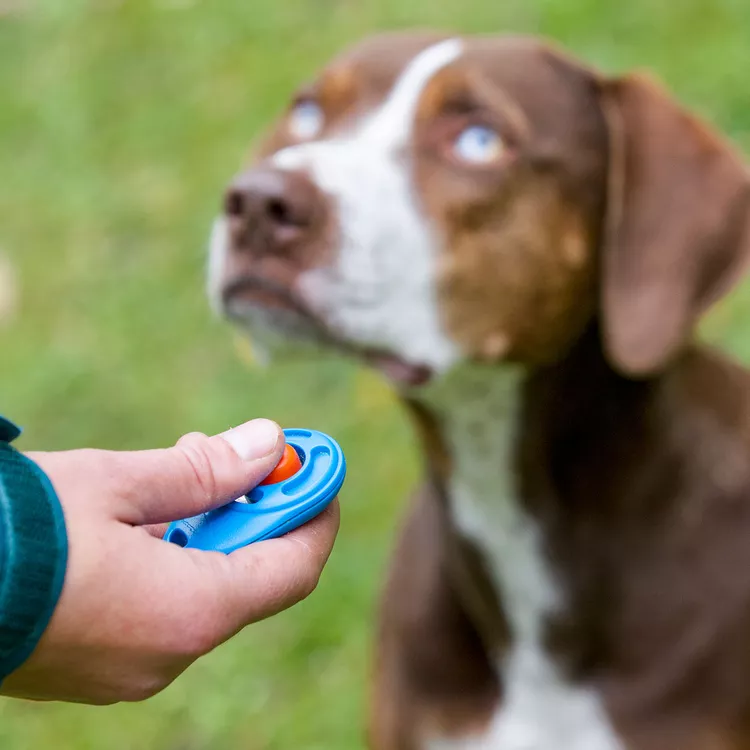
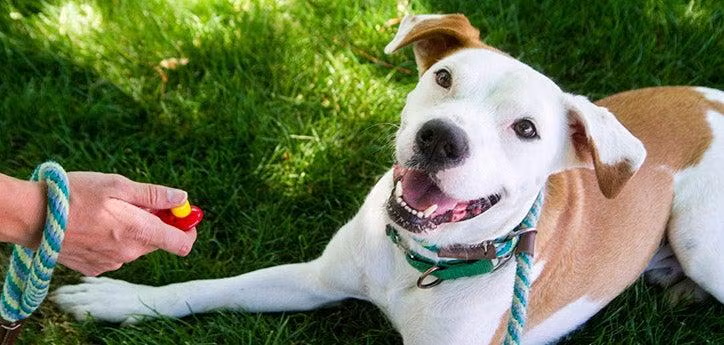
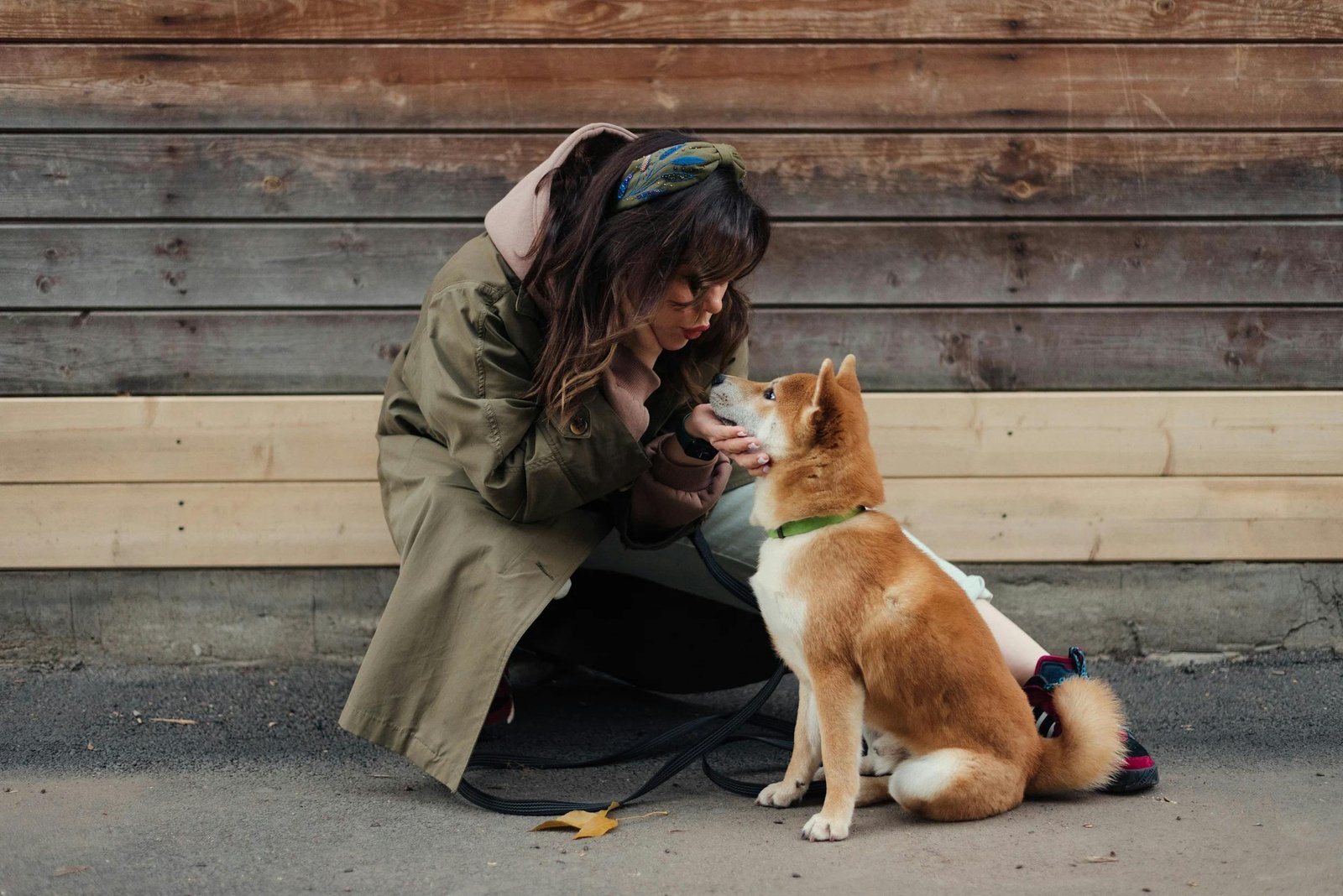
Start in a quiet, distraction-free area. Hold a treat in your hand. When your dog looks at you, mark the moment (“Yes!”) and reward. Repeat until your dog offers eye contact willingly. Engagement is the foundation of all successful leash work.
Step 2: Reward Staying Close
Take one or two steps forward. If the leash stays loose and your dog remains beside you, mark and reward. If they surge ahead, turn and walk the opposite direction so they naturally reconnect. Lots of early rewards teach your dog that being near you pays off.
Step 3: Address Pulling
If your dog pulls, stop immediately—become a “tree.” Don’t move until the leash loosens, then continue walking. Over time, your dog learns that pulling never results in forward progress.
Step 4: Add a Cue
Once your dog consistently keeps the leash slack, add a verbal cue such as “Let’s go!”. Say it before you begin walking and reward them for moving with you. Consistent use helps your dog understand what you expect.
Additional Tips for Success
- Keep sessions short: Practice for 5–10 minutes and wrap up on a positive note.
- Increase difficulty slowly: Start indoors, then practice in your yard, and eventually try busier environments.
- Reward generously: Use tasty treats like chicken or cheese; praise and petting help too.
- Stay patient: Progress may come in small steps—consistency matters more than perfection.
- Allow sniff breaks: Sniffing is enriching. Designate intentional “sniff zones” as long as the leash stays loose.
Important Considerations
Begin indoors or in your yard before tackling distracting streets. Introduce your walking cue early. When pulling occurs, stop, wait and reward calm return to your side. Change direction if needed to regain attention. Gradually increase distractions as your dog improves.
Troubleshooting Common Challenges
Pulling to sniff: Use a cue like “Go sniff” to let your dog know when sniffing is allowed. Overexcited dogs: Start in quiet spaces, adding distractions slowly. Lagging behind: Use an upbeat voice or toss a treat a few steps ahead for motivation.
Always avoid aversive tools like choke chains or prong collars. A well-fitted front-clip harness or head halter offers gentle control without pain. With consistent practice, patience and positive reinforcement, your dog will learn to walk calmly and confidently by your side.
Conclusion
Loose-leash walking is a blend of engagement, practice and clear communication. With rewarding training sessions, appropriate gear and steady consistency, you can transform chaotic walks into peaceful, enjoyable outings. Celebrate small wins along the way—each step brings you closer to relaxed, connected walks with your canine companion.