
Introduction
The Belgian Malinois is a herding breed celebrated for its sharp intellect, athleticism, and intense work drive. Although widely associated with police, military, and protection work, the Malinois originally served on Belgian farms, excelling at herding and guarding sheep. Today, the breed is beloved by active families, dog sport competitors, and professionals who need a reliable working partner. This guide explores the Malinois’ origins, key traits, and lifestyle requirements to help you determine whether this powerful and driven breed is right for you.
History and Origins
Belgian shepherds were developed in the late 19th century to manage livestock efficiently. Four varieties emerged—distinguished mainly by coat type and color: Malinois, Tervuren, Groenendael, and Laekenois. The Malinois, named after the city of Malines (Mechelen), was especially valued for its short fawn coat, endurance, and exceptional work ethic.
By the early 20th century, the breed’s talents attracted attention beyond Belgium. During World War I, Malinois dogs served as messenger and ambulance dogs, showcasing their bravery and versatility. The American Kennel Club (AKC) recognized the breed in 1959. Since then, the Malinois has gained worldwide popularity for its excellence in law enforcement, search and rescue, detection work, protection sports, and competitive obedience.
Appearance and Temperament
Physical Characteristics
Although often mistaken for the German Shepherd, the Belgian Malinois is lighter, more agile, and more squarely built. Typical features include:
- Height: 24–26 inches for males; 22–24 inches for females
- Weight: 40–80 pounds, depending on sex and build
- Coat: Short, straight, dense, and weather-resistant with a soft undercoat
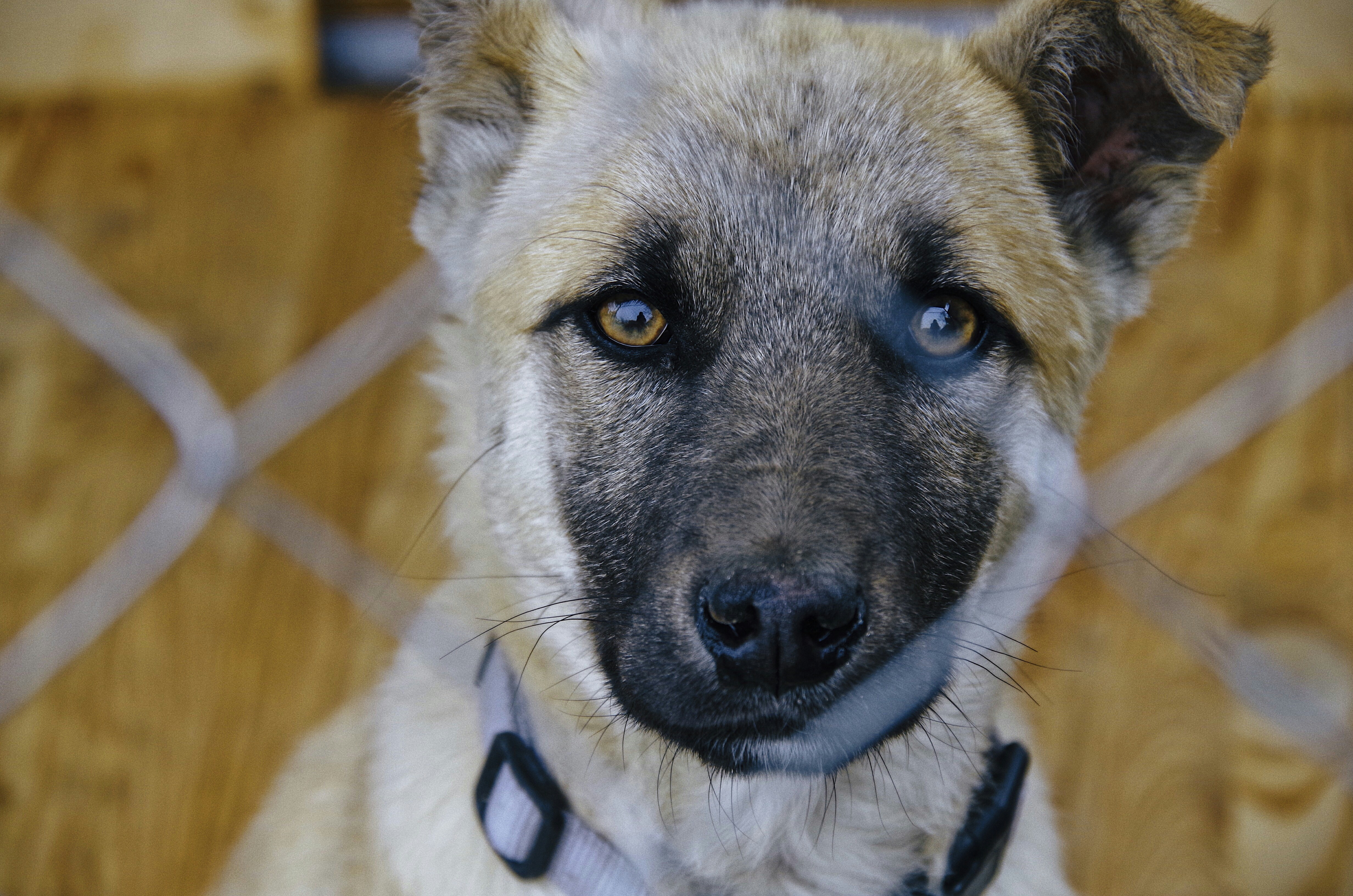
- Color: Fawn to mahogany with a characteristic black mask and black-tipped hairs
- Expression: Alert, confident, and inquisitive, with dark almond-shaped eyes and erect ears
Temperament and Personality
The Malinois is not a casual pet—they are extremely intelligent, highly driven, and happiest when working. When properly trained and socialized, they are affectionate and loyal family companions. However, their intense energy and protective instincts require experienced handling.
Well-socialized Malinois tend to be friendly with familiar people but cautious with strangers. Without early training, their natural protectiveness can develop into reactivity. Exposure to new environments, dogs, people, and sounds from an early age is essential to encourage confidence and stable behavior.
Working Roles and Versatility
The Belgian Malinois is among the world’s premier working breeds. Its courage, agility, and trainability make it suitable for a wide range of demanding roles:
- Police and Military Work: Ideal for patrol, tracking, detection, and apprehension work.
- Search and Rescue: Excellent at locating missing persons in wilderness, disaster, or avalanche settings.
- Protection Sports: Excels in Schutzhund/IPO/IGP, French Ring, and Mondioring.
- Service Work: With experienced handlers, some Malinois serve as mobility assistance or medical alert dogs.
- Herding: Their original purpose remains strong—some farms still use Malinois to manage livestock.
These exceptional working qualities also mean the breed can be challenging in a typical pet home. They require structured outlets for both physical and mental energy.
Training and Exercise Needs
Training Approach
Training is an absolute necessity for this breed. Malinois thrive with frequent, engaging lessons and consistent rules. Key principles include:
- Use positive reinforcement: Toys, treats, and praise build motivation and trust.
- Avoid harsh corrections: These can create fear or shut down learning.
- Teach foundational cues: Sit, down, stay, recall, impulse control exercises.
- Engage the mind: Mix obedience, trick training, scent work, and problem-solving games.
If training is inconsistent or insufficient, a Malinois may become destructive, anxious, or overstimulated.
Exercise Requirements
This breed’s energy level is extremely high. Plan for 60–90 minutes of structured exercise daily, including activities such as:
- Trail running or hiking: Ideal for burning energy and building endurance.
- Agility, flyball, or dock diving: High-speed sports that challenge body and mind.
- Nose work or tracking: Excellent mental enrichment tapping into natural instincts.
- Interactive play: Tug, fetch, and flirt pole sessions provide satisfying outlets for drive.
If a Malinois does not get enough activity, behavioral issues are almost guaranteed.
Living With a Malinois
- Home Environment: Best suited for homes with secure yards; apartment living is possible only with exceptional dedication to exercise.
- Family Dynamics: With proper socialization, they can be great with children and other dogs. Their herding instincts may trigger chasing behaviors.
- Time Commitment: Malinois dislike being left alone for long periods and can develop separation anxiety.
- Mental Stimulation: Puzzle toys, obedience sessions, and rotating games are essential to prevent boredom.
This is a breed that wants to work, learn, and participate in daily activities—ownership is a lifestyle, not a hobby.
Health and Grooming
Belgian Malinois are generally robust but may be predisposed to certain hereditary conditions:
- Hip and Elbow Dysplasia: Avoid excessive jumping during puppyhood and maintain a healthy weight.
- Progressive Retinal Atrophy (PRA): Regular ophthalmic exams are recommended.
- Epilepsy: Some lines have a genetic tendency toward seizures.
- Anesthesia Sensitivity: Common in herding breeds—ensure your vet is aware.
- Allergies: Can manifest as itching, ear infections, or digestive issues.
The average lifespan is 12–14 years. Routine veterinary care, high-quality nutrition, and regular exercise help maintain long-term health.
Grooming Requirements
The Malinois’ short coat is easy to maintain. Weekly brushing removes loose hair, with increased brushing needed during seasonal shedding. Additional care includes:
- Regular nail trims
- Teeth brushing
- Ear checks for wax or debris
Is the Belgian Malinois Right for You?
Before choosing this breed, consider these questions:
- Can you commit to significant daily exercise and mental stimulation?
- Are you experienced with high-drive working breeds?
- Do you have a secure yard or safe space for off-leash exercise?
- Are you prepared for a protective dog that may be wary of strangers?
- Does your lifestyle allow for consistent training and companionship?
If the answer is “yes,” the Malinois can be a deeply rewarding partner. If not, you may find the breed overwhelming.
Conclusion
The Belgian Malinois is an extraordinary athlete—intelligent, agile, and fiercely devoted to its people. Its working ability has made it famous worldwide, but at its core, it remains a loyal family dog for those who can meet its demanding needs. With proper training, structure, and activity, a Malinois offers a lifetime of adventure, partnership, and unwavering loyalty.