Introduction
Target training teaches your dog to touch a specific object with their nose or paw. While simple, it’s one of the most versatile foundation skills in dog training. A clear, tangible target gives your dog an easy job to understand, reducing frustration and increasing confidence. Once learned, targeting becomes the building block for countless tricks, obedience behaviors, sport skills, and even cooperative care. Because the dog knows exactly what earns a reward, training becomes more enjoyable and productive for both of you.
Benefits of Target Training
Adding target training to your dog’s routine offers far more than just a fun trick:
- Improved focus: Dogs learn to ignore distractions and stay engaged with you.
- Better impulse control: Giving excitable dogs a specific job helps them slow down and think.
- Foundation for advanced skills: Targeting supports heeling, agility, freestyle, nose work, and more.
- Mental enrichment: Learning new behaviors keeps dogs stimulated and reduces boredom.
- Strengthened bond: Training with positive reinforcement deepens communication and trust.
Tools You’ll Need
You don’t need fancy equipment to get started—just a few simple tools to ensure clear communication:
- A target object: Your open hand, a plastic lid, sticky note, or a target stick all work well.
- Treats: Use small, high-value treats to reward frequently during learning.
- A marker: A clicker or a consistent verbal marker like “Yes!” pinpoints the exact moment your dog gets it right.
- A quiet training area: Choose a low-distraction space so your dog can focus.
How to Teach a Nose Target
Teaching your dog to touch a target with their nose is the foundation for more advanced variations. Break the process into small steps and progress at your dog’s pace.
1. Introduce the Target
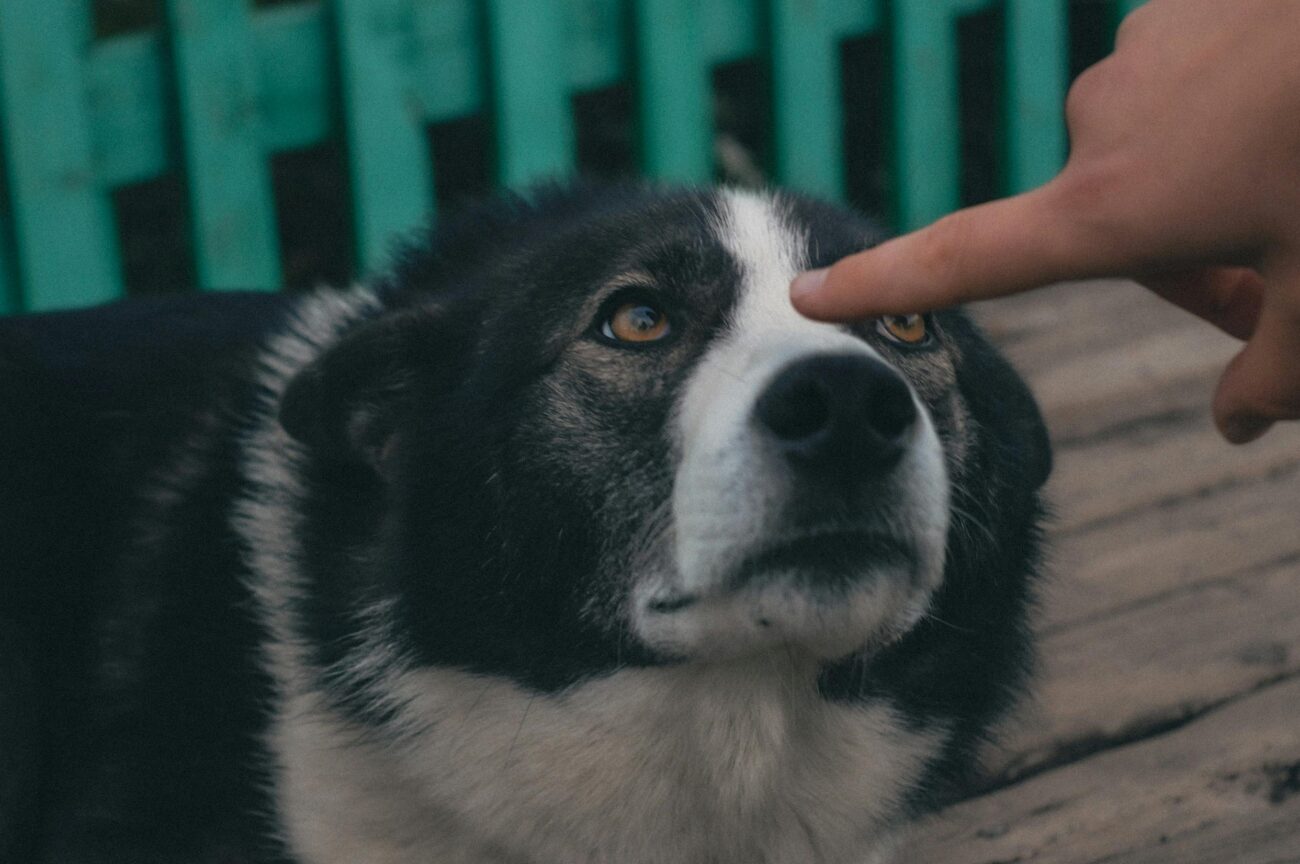
Hold the target a few inches from your dog’s nose. Most dogs will sniff naturally. The instant their nose touches the target, click and treat. If hesitant, add a tiny smear of peanut butter to encourage interaction. Repeat until your dog enthusiastically bumps the target every time.
2. Add a Cue
When your dog is reliably touching the target, add a verbal cue like “touch.” Say the cue, present the target, then click and treat when your dog performs the behavior. After several repetitions, the cue will predict the action.
3. Increase Distance and Height
Gradually hold the target farther away or slightly higher so your dog must take a step or stretch to reach it. Continue giving the cue first, then presenting the target. Vary the location to help your dog generalize the skill.
4. Build Duration
To teach your dog to hold their nose on the target (useful for tasks like door-pushing), delay your marker by a second or two before rewarding. Increase duration slowly to prevent frustration.
5. Fade the Target
Once the cue is well understood, gradually shrink or remove the physical target. Move from a lid to a sticker, then to your fingertip, and eventually to an “invisible” target such as your open palm or a specific location.
Teaching Paw Targeting
Paw targeting is useful for pressing buttons, sending your dog to an object, or teaching fun tricks like high-fives.
- Capture the behavior: Present a target near your dog’s paw. Many dogs will naturally paw at it. Click and treat the moment the paw makes contact. If not, lightly tap their paw with the target to prompt a reaction.
- Add a cue: Once your dog reliably offers a paw, introduce a cue such as “paw” or “tap.”
- Generalize: Move the target to different surfaces or heights. When your dog is confident, fade the object and transition to touching your hand or another item.
Troubleshooting and Tips
- Keep sessions short: Aim for 5–10 minutes and end on a success.
- Make it easier if needed: Move the target closer or choose a more visible item.
- Use high-value treats: Soft, smelly treats boost motivation.
- Mark precisely: Click or say your marker the instant the nose or paw touches.
- Watch body language: Pause if your dog seems stressed or overstimulated.
Advanced Uses for Target Training
Once your dog masters targeting, the applications are nearly endless:
- Heel training: Use a target next to your leg to guide proper heel position, then fade it.
- Recall and redirection: A quick “touch” can break attention from distractions and refocus your dog.
- Trick training: Teach spins, leg weaves, bowing, ringing a bell, or jumping through arms.
- Agility and sports: Targeting improves obstacle navigation and boosts confidence on equipment.
- Cooperative care: Teach your dog to plant their nose on a stationary target while you brush, clip nails, or administer meds.
- Service dog tasks: Pressing switches, closing doors, or opening drawers all stem from targeting skills.
Conclusion
Target training is a powerful yet beginner-friendly technique that enhances communication, confidence and teamwork. Whether you’re teaching a simple nose touch or using targeting as the foundation for advanced tricks, patience and rewarding clear successes will help your dog excel. As you explore new ways to apply this versatile skill, you’ll strengthen your bond and keep your dog mentally and physically engaged.