Bringing home a dog when someone in your household has allergies can feel overwhelming. While no dog is completely allergen-free, certain breeds shed less and may spread fewer allergenic proteins in the home. Allergens come primarily from dander and saliva—not fur—so managing allergies involves both breed selection and proper home care.
This guide explores several lesser-known hypoallergenic dog breeds, along with practical tips to reduce allergens and create a comfortable environment for everyone in your household.
What Makes a Dog Hypoallergenic?
The term “hypoallergenic” means a breed is less likely to trigger allergies—not that it is completely non-allergenic. Dogs produce allergens in their skin flakes (dander), saliva, and urine. When fur sheds, dander becomes airborne and can cause allergic reactions.
Hypoallergenic breeds typically:
- Shed minimally
- Have curly, corded, or continuously growing coats that trap dander
- Require regular grooming that helps reduce loose hair
Keep in mind that individual reactions vary. Spending time around a specific breed before committing is strongly recommended. Allergy management also includes frequent cleaning, HEPA filtration, and consultation with a healthcare professional.
Lesser-Known Hypoallergenic Breeds
Lagotto Romagnolo
This Italian truffle-hunting breed has a dense, curly coat that sheds very little. Medium-sized and highly intelligent, the Lagotto Romagnolo is affectionate and eager to please. Regular trimming and brushing help control dander and maintain coat health.
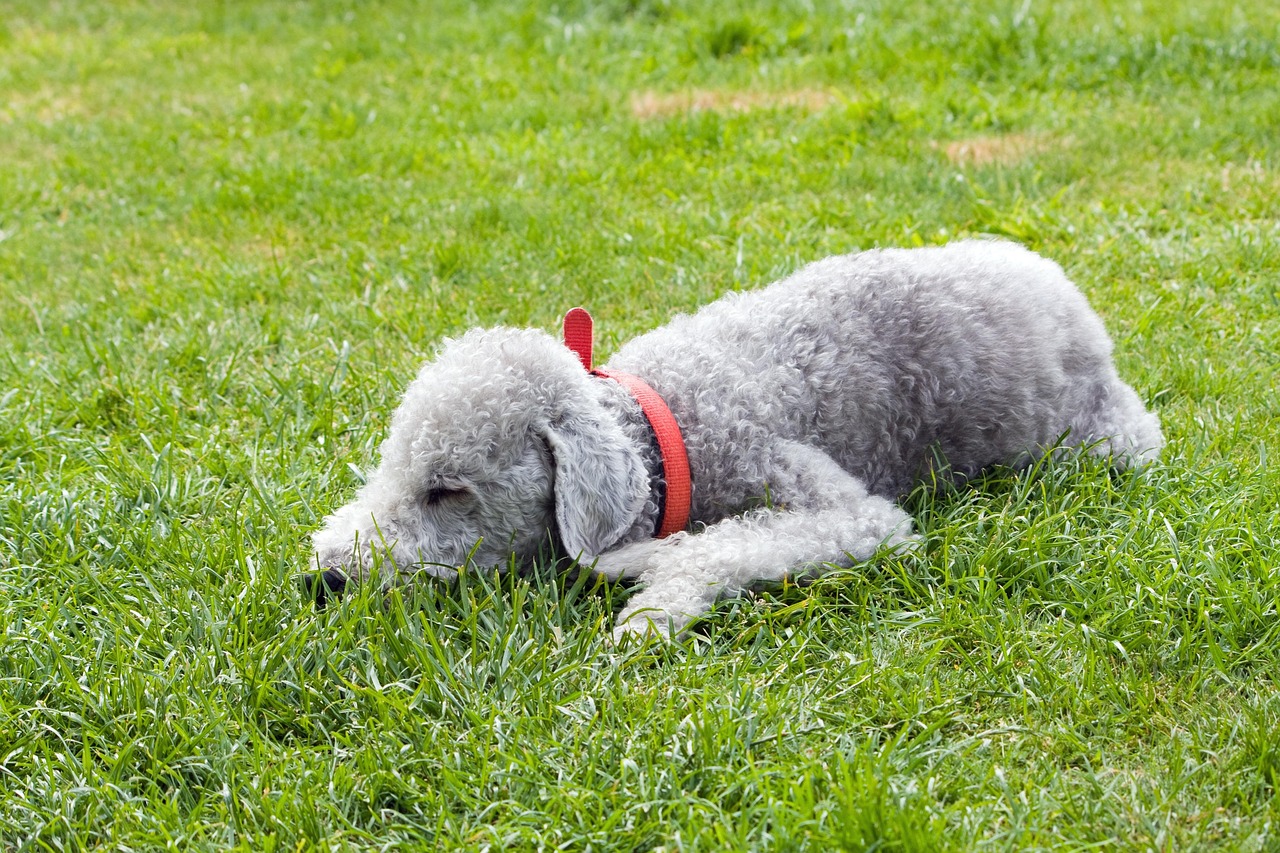
Bedlington Terrier
With its lamb-like appearance and woolly coat, the Bedlington Terrier sheds minimally. Originally bred for hunting vermin, this gentle and adaptable dog thrives in both apartments and houses. Consistent grooming prevents matting and reduces allergens.
American Hairless Terrier
Nearly hairless, this energetic breed sheds very little. Without a traditional coat, there is less fur to spread dander. However, skin care is essential—sun protection, moisturizers, and protection from cold weather are necessary to keep them comfortable.
Bolognese
This small Italian companion dog has a cotton-like coat that rarely sheds. Calm and affectionate, the Bolognese makes an excellent lap dog for urban living. Regular brushing and grooming prevent tangles and help control dander buildup.
Irish Water Spaniel
One of the tallest spaniel breeds, the Irish Water Spaniel has thick, tight curls that shed minimally. Athletic and intelligent, this breed thrives with active families. Regular trimming and coat maintenance are important to prevent matting.
Xoloitzcuintli (Mexican Hairless Dog)
Available in toy, miniature, and standard sizes, the hairless Xolo sheds very little. Loyal and calm, this ancient breed requires proper skin care and sun protection. Even the coated variety has a short, low-shedding coat.
Spanish Water Dog
With its naturally corded coat, the Spanish Water Dog traps loose hair and reduces shedding. Energetic and highly intelligent, this breed is well suited for active families. Annual shearing is typically recommended.
Soft Coated Wheaten Terrier
This cheerful Irish breed has a silky coat that sheds minimally. Friendly and energetic, Wheatens require daily brushing to prevent tangles. They respond well to positive reinforcement training.
Tips for Managing Allergies with Dogs
- Groom regularly: Brush frequently and schedule professional grooming as needed.
- Use HEPA filtration: Invest in a vacuum and air purifier designed to capture pet dander.
- Create pet-free zones: Keep bedrooms or certain areas free from dogs.
- Wash bedding frequently: Clean pet beds, blankets, and soft surfaces regularly.
- Support skin health: A balanced diet and veterinary care reduce excessive flaking and shedding.
- Consult an allergist: Medical guidance can help you manage symptoms effectively.
Hypoallergenic breeds reduce the likelihood of allergic reactions but do not eliminate risk entirely. Honest expectations and consistent home management are essential.
Final Thoughts
Living with allergies does not mean giving up on dog ownership. From the curly-coated Lagotto Romagnolo to the hairless Xoloitzcuintli, there are many wonderful breeds to consider. With proper grooming, thoughtful cleaning routines, and professional medical advice, allergy-sensitive households can enjoy the companionship and joy of a canine friend.