
Introduction
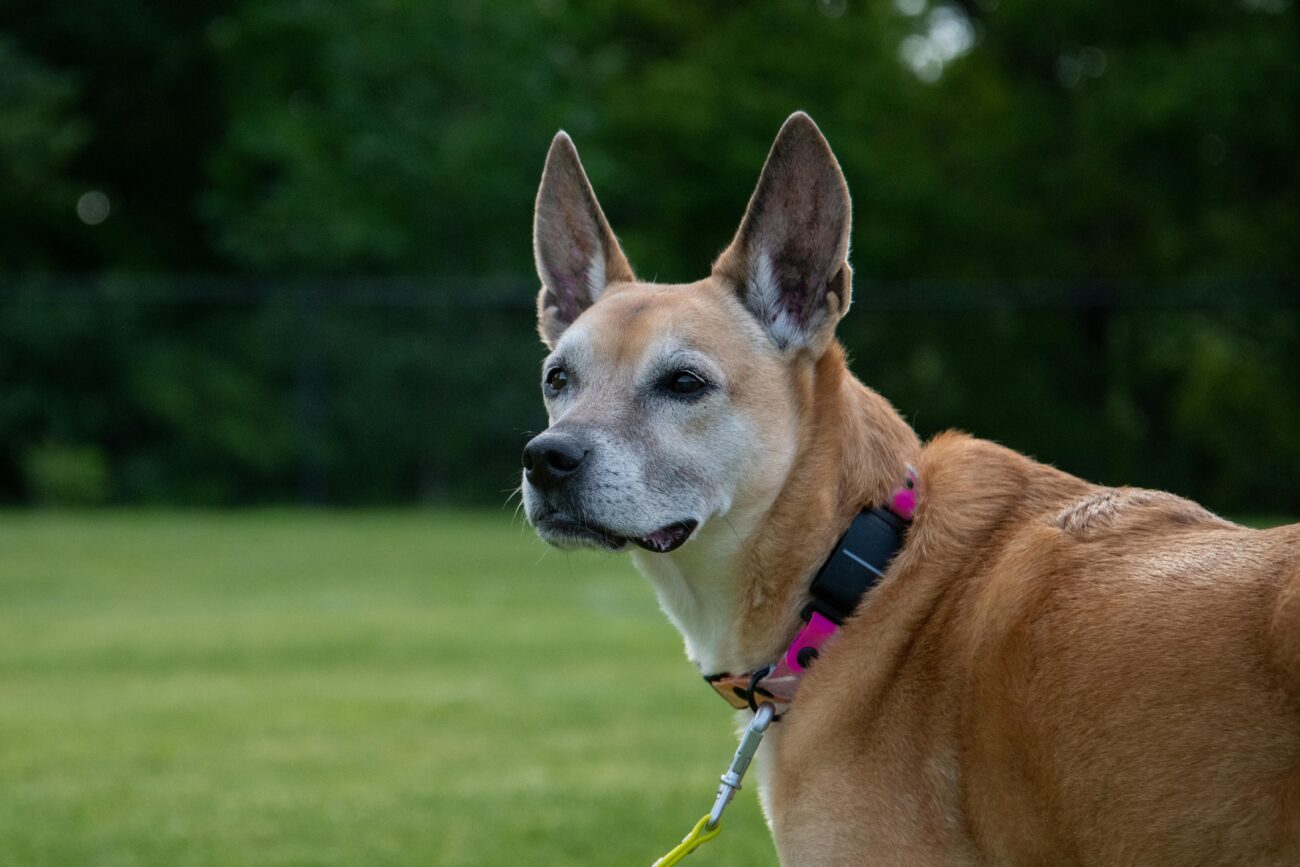
Often called the American Dingo or Dixie Dingo, the Carolina Dog is a medium-sized “primitive” breed with a look that feels closer to wild canids than many modern dog breeds. With tall pointed ears, a long muzzle, and an athletic frame, these dogs stand out immediately. Despite their rugged appearance—and their history as semi-feral dogs in parts of the American Southeast—Carolina Dogs can form deep, loyal bonds with their people when they’re raised with patience, structure, and early socialization.
If you’re drawn to a dog with a strong pack mentality, a watchful nature, and a fascinating backstory, the Carolina Dog is worth a closer look. Below you’ll learn about the breed’s origins, physical traits, temperament, training approach, and day-to-day care needs.
History and Origins
The Carolina Dog’s story may stretch back thousands of years. Researchers suggest that early canines crossed from Asia into North America via the Bering land bridge, and some populations later adapted to life in the forests and swamps of the Southeast. Archaeological findings also indicate that similar dogs lived alongside Native Americans, with remains discovered in ancient burial sites.
In the 1970s, biologist I. Lehr Brisbin documented and studied these free-roaming dogs and helped establish a breeding program, popularizing the name “Carolina Dog.” The breed was recognized by the United Kennel Club (UKC) in 1996 and later added to the American Kennel Club (AKC) Foundation Stock Service in 2017.
Physical Characteristics
Carolina Dogs are built for endurance and agility. They have a lean, athletic body and a distinctive wedge-shaped head that contributes to their dingo-like appearance.
- Size: Males typically stand about 18–20 inches at the shoulder and weigh roughly 30–55 pounds.
- Coat: Short and dense with a double coat that can shed heavily, especially seasonally.
- Color: Common coat colors include tan, yellow, red, black, or combinations of these shades.
- Head and ears: Long muzzle, alert expression, and upright triangular ears.
- Tail: Long tail that may show a characteristic “fish-hook” curve at the tip.
- Hypoallergenic? No—because they shed, they are not considered hypoallergenic.
Temperament and Personality
Carolina Dogs are often described as gentle, adaptable, and deeply loyal to their family “pack.” They may be affectionate at home while remaining cautious and reserved with strangers. This blend of independence and devotion makes them a great fit for owners who enjoy building trust over time rather than expecting an instantly social dog.
- Bonding: Strong attachment to family members; they do best when included in daily life.
- Stranger response: Often reserved at first; confidence grows with thoughtful socialization.
- Watchdog style: Alert and protective without being nonstop barkers.
- Pack needs: Isolation can lead to stress or destructive behaviors, so companionship matters.
Living Needs
Carolina Dogs can adapt to different homes as long as you meet their exercise and enrichment needs. They are intelligent, curious, and benefit from a structured routine.
- Exercise: Plan for about an hour of daily activity (walks, play, training, or hikes).
- Space: A securely fenced yard is ideal, but apartment/urban living can work with consistent outings and enrichment.
- Mental stimulation: Puzzle toys, scent games, and rotating activities help prevent boredom.
- Clean habits: Many are naturally clean and may groom themselves in a cat-like way.
Training and Socialization
Carolina Dogs are smart and can learn quickly, but they often have an independent streak. The best results come from positive reinforcement (treats, toys, praise) and short, upbeat sessions.
- Start early: Teach basics like sit, stay, leave it, and recall from puppyhood.
- Keep it engaging: Rotate exercises to avoid repetition and boredom.
- Prioritize socialization: Controlled exposure to people, dogs, sounds, and environments helps prevent fearfulness.
- Great outlets: Many enjoy agility, scent work, hiking, and rally-style training activities.
Health Considerations
The Carolina Dog is generally hardy, with a typical life expectancy of 12–15 years. They aren’t known for many widespread genetic issues, but routine veterinary care is still essential.
- Medication sensitivity: Some individuals may be sensitive to ivermectin.
- Weight management: Maintain a healthy weight to protect joints and overall health.
- Diet notes: Feed a high-quality, balanced diet. If you’re considering raw or homemade meals, consult a vet or canine nutritionist to ensure nutritional completeness.
Grooming and Maintenance
Carolina Dogs are relatively low-maintenance, but shedding can be significant—especially during seasonal coat changes.
- Brushing: Weekly brushing most of the year; daily brushing during heavy sheds.
- Bathing: Every 2–3 months or as needed; avoid over-bathing to preserve natural oils.
- Routine care: Trim nails, clean ears, and brush teeth regularly.
Frequently Asked Questions
Do Carolina Dogs get along with other pets?
With early socialization, many can live peacefully with other dogs and even cats. Because they may have prey drive, supervise introductions and be cautious around smaller animals (like rabbits or rodents).
Are Carolina Dogs good with children?
Often yes—many are gentle and patient, especially when raised with kids. Teach children respectful handling and supervise play for safety.
How much exercise does a Carolina Dog need?
Aim for at least one hour daily through walks, play, and enrichment activities like scent games and training sessions.
Where to Find a Carolina Dog
Because the breed is still relatively rare, your best options may include shelters, breed-specific rescues, and established Carolina Dog communities. Many Carolina Dogs are also misidentified as mixed breeds in shelters, so keep an open mind when browsing adoptable dogs.
- Check local shelters and regional rescue networks.
- Look for rescue groups that focus on Carolina Dogs or “primitive” breed mixes.
- If working with a breeder, prioritize health, temperament, and responsible socialization practices.
Is the Carolina Dog Right for You?
If you want a loyal, athletic companion with an intriguing history—and you’re willing to invest in training, socialization, and daily enrichment—the Carolina Dog can be a wonderful match. They thrive with owners who respect their independent nature, provide structure, and treat them like a true member of the family pack.


Very shortly this website will be famous amid all blog people, due to it’s nice posts
Thank you so much! Glad you’re finding it interesting!