
Introduction
The St. Bernard is one of the most recognizable giant dog breeds in the world. Famous for its massive size, calm demeanor, and legendary mountain rescues, this Swiss breed has captured hearts for centuries. While often portrayed as a slobbering couch companion, the St. Bernard is also a working dog with a rich history and very specific care needs. Whether you’re considering adding one to your family or simply want to understand the breed better, this guide covers the St. Bernard’s origins, temperament, lifestyle requirements, and health considerations.
Origin and History
The St. Bernard originated in the Swiss Alps at the Great St. Bernard Hospice, a refuge founded in the 11th century to aid travelers crossing the dangerous mountain pass between Switzerland and Italy. By the 1600s, monks began using large mastiff-type dogs as guards and companions. Over time, these dogs proved invaluable in locating and rescuing lost or injured travelers buried in snow.
Harsh winters in the early 19th century nearly wiped out the breed, prompting monks to cross their dogs with Newfoundlands to restore numbers and improve coat insulation. The resulting dogs became the foundation of the modern St. Bernard. Today, the breed is recognized worldwide as a symbol of rescue, loyalty, and gentle strength—and is considered one of Switzerland’s national dogs.
Physical Characteristics
Everything about the St. Bernard is big, powerful, and built for cold climates.
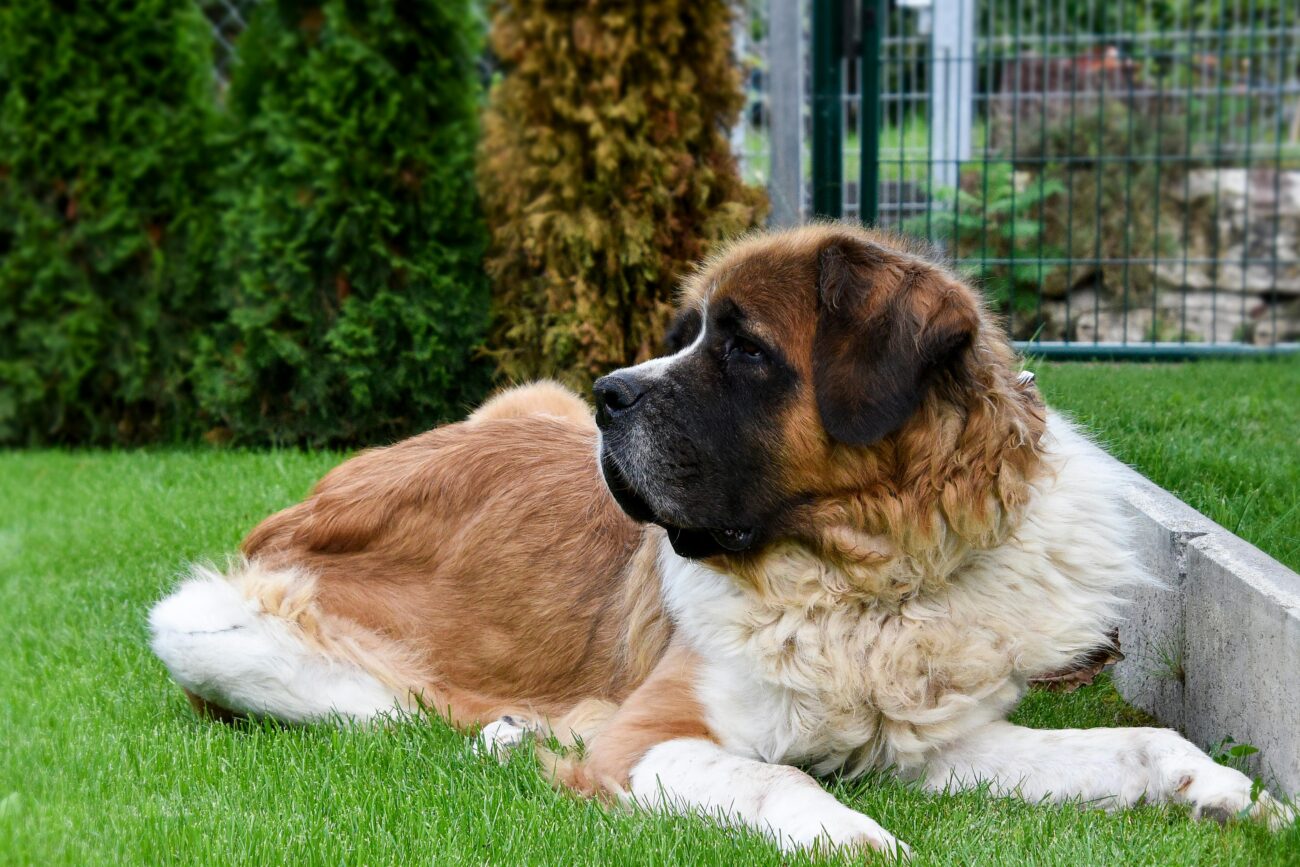
- Size: Adult males typically stand 28–30 inches tall and weigh 140–180 pounds. Females are slightly smaller.
- Build: Broad chest, muscular frame, and sturdy legs designed for balance and endurance.
- Head: Large skull, deep muzzle, expressive dark eyes, and loose facial skin.
- Coat: Comes in short-haired and long-haired varieties, both with a dense undercoat.
- Color: Predominantly white with red, orange, or brindle markings.
- Signature trait: Heavy jowls—meaning drool is unavoidable.
Temperament and Personality
Despite their imposing size, St. Bernards are famously gentle, patient, and affectionate. Bred to work closely with humans, they form strong emotional bonds with their families and are particularly known for their tolerance with children.
They are:
- Calm and easygoing indoors
- Friendly rather than aggressive toward strangers
- Alert enough to bark when something seems off—but not true guard dogs
- Emotionally intuitive and quick to offer comfort
While laid-back, they still enjoy using their noses and minds. Scent games, food puzzles, and gentle training sessions help keep them mentally engaged.
Living with a St. Bernard
Space and Environment
St. Bernards don’t need constant activity, but they do need space to move comfortably. Apartments are possible with commitment, though homes with fenced yards are ideal. Their thick coats make them well suited to cold weather, but they struggle in heat—air conditioning, shade, and limited summer activity are essential.
Exercise Needs
Unlike many large working breeds, adult St. Bernards have moderate exercise requirements. About 30 minutes of daily activity is usually sufficient.
Best activities include:
- Leisurely walks
- Gentle hikes
- Supervised yard play
Avoid high-impact exercise, jumping, or excessive stair climbing—especially during puppyhood—to protect developing joints.
Grooming and Drool
Both coat types shed year-round, with heavier shedding in spring and fall. Plan on:
- Weekly brushing (more during shedding seasons)
- Occasional baths every few months
- Regular ear cleaning, nail trimming, and dental care
The most notable maintenance challenge is drool. Expect slobber after meals, drinks, and head shakes. Most St. Bernard owners keep towels strategically placed around the house.
Training and Socialization
Early training is essential for a dog that may outweigh its owner. St. Bernards are intelligent, eager to please, and respond best to positive reinforcement. Harsh methods can damage trust and confidence.
Focus on:
- Puppy socialization classes
- Basic obedience and leash manners
- Consistency and calm leadership
- Mental enrichment through scent work and puzzle toys
Health Considerations
As a giant breed, St. Bernards are prone to certain health issues. Reputable breeders screen breeding dogs, but owners should remain vigilant.
- Bloat (GDV): A life-threatening emergency; smaller meals and post-meal rest help reduce risk.
- Hip and elbow dysplasia: Common in large breeds; weight control is critical.
- Cancer: Including osteosarcoma and lymphoma.
- Heart disease: Including dilated cardiomyopathy.
The average lifespan is 8–10 years. Regular veterinary care, proper nutrition, and controlled exercise significantly improve quality of life.
Is a St. Bernard Right for You?
Living with a St. Bernard means welcoming a giant dog with a gentle soul into your home. They thrive on companionship, tolerate children well, and bring a calm presence to family life. However, they also require space, grooming commitment, and acceptance of drool as a fact of life.
If you value a loving, steady companion and can meet the breed’s physical and environmental needs, the St. Bernard offers unmatched loyalty wrapped in a massive, affectionate package.
Fun fact: Despite popular myths, St. Bernards did not historically carry brandy barrels during rescues. That image came from 19th-century artwork—real rescues relied on warmth, scenting ability, and companionship rather than alcohol.


