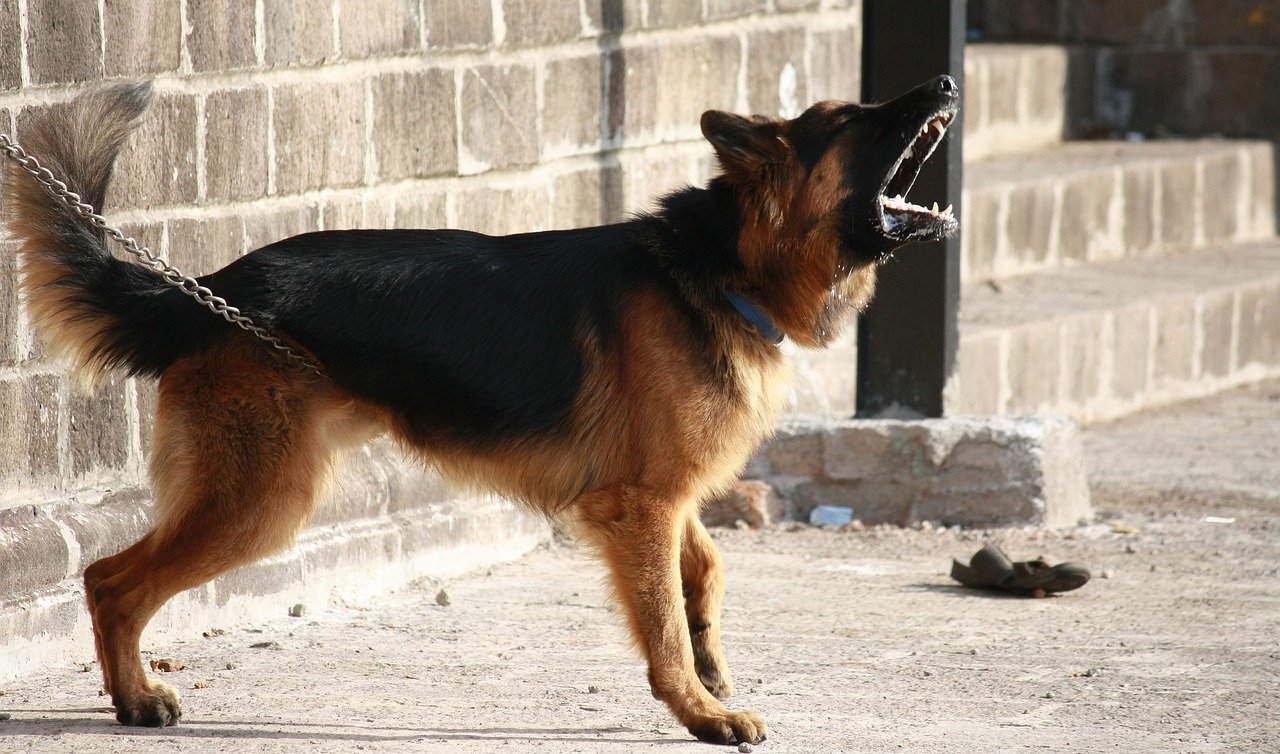
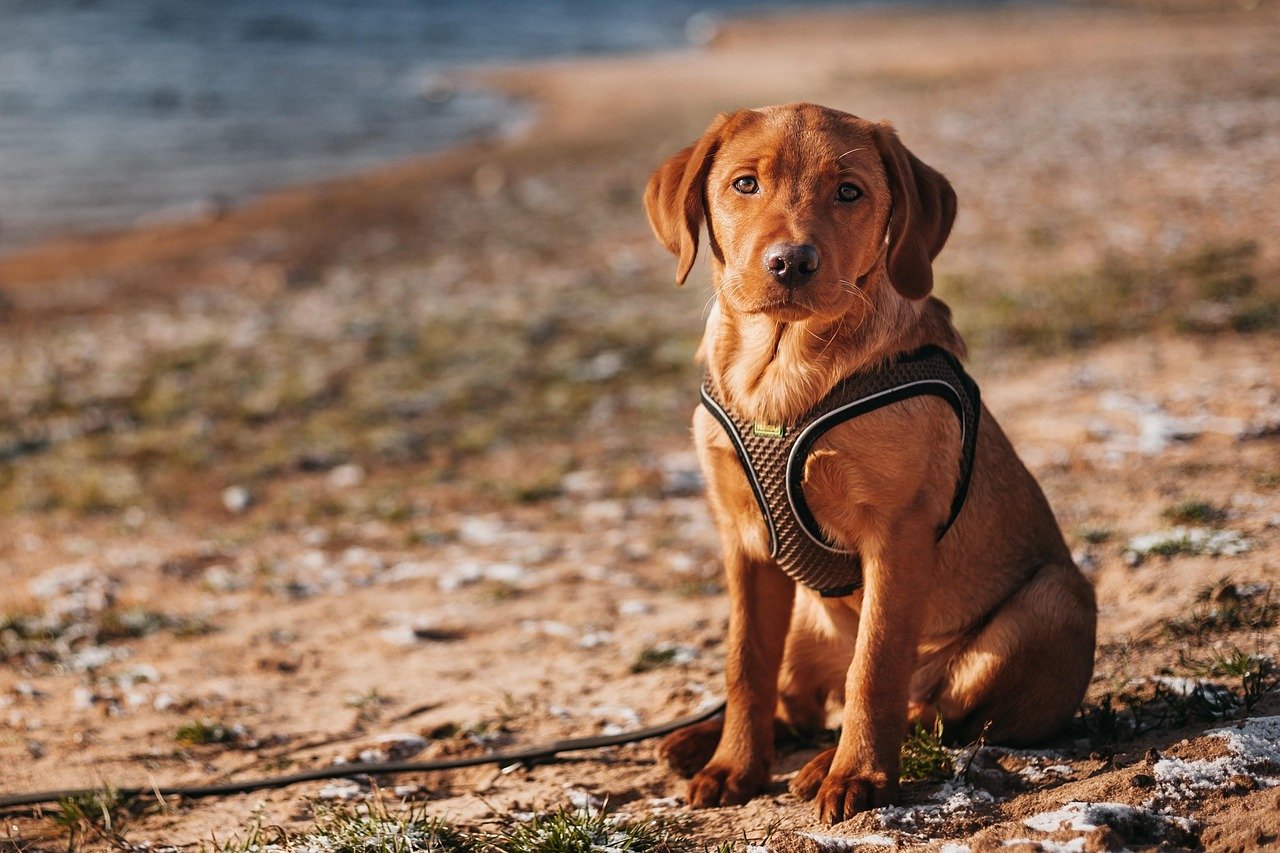
Walking your dog should be enjoyable for both of you, but choosing between a harness and a collar can be confusing. While collars have been the default for decades, harnesses are increasingly popular because they provide more control and reduce strain on a dog’s neck. In this guide, we’ll compare harnesses and collars, outline the benefits and drawbacks of each, and help you decide which option suits your dog’s breed, behavior and lifestyle.
How collars work
A collar is a simple band worn around a dog’s neck, often with a buckle or quick‑release clip. It provides a place to attach a leash and identification tags and is convenient for daily wear. Collars are lightweight, easy to put on and take off, and come in many materials and styles. However, they may not be the best choice for every dog.
Advantages of collars
- Simplicity and convenience: Collars are quick to secure and remove. You can leave them on for ID purposes when your dog is off leash.
- Communication: For well‑trained dogs that don’t pull, a collar allows clear communication through subtle leash pressure.
- Variety: Flat, martingale and head collars can address different training needs.
Disadvantages of collars
- Risk of neck injury: A strong jerk can cause trauma to the throat or cervical spine. The American Kennel Club notes that harnesses may be a better choice for dogs that pull or lunge because they distribute pressure away from the neck.
- Slipping: Some dogs can back out of a collar if it’s too loose. Braids and thick fur also affect fit.
- Potential breathing issues: Dogs with brachycephalic (short‑nosed) anatomy are more prone to tracheal collapse or airway problems and should avoid collars.
Harnesses explained
A harness encircles a dog’s chest and shoulders, distributing leash pressure across a larger area. Modern harnesses come in step‑in, over‑head and vest styles, with front‑clip, back‑clip or dual‑clip leash attachments. Many pet parents choose harnesses for better control and comfort.
Advantages of harnesses
- Protection for the neck: Because harnesses distribute force across the chest, they reduce the risk of damage to the neck and trachea.
- Control and stability: A harness helps prevent a dog from pulling, lunging or slipping free. Front‑clip styles reduce pulling by redirecting the dog toward you.
- Support: For puppies, small breeds or dogs with neck or spinal issues, a well‑fitted harness adds security without restricting breathing or causing pressure points.
- Versatility: Many harnesses have handles for extra assistance and come in reflective or padded designs for comfort.
Disadvantages of harnesses
- Learning curve: Harnesses can be more complicated to put on, and some dogs may initially resist wearing one.
- Encouraging pulling: Back‑clip harnesses can sometimes encourage dogs to lean into the leash, teaching them to pull if used incorrectly. Choosing the right style and practicing loose‑leash walking is essential.
- Fit matters: Ill‑fitting harnesses can cause chafing or restrict shoulder movement. Always measure your dog and adjust straps properly.
Choosing what’s best for your dog
No single option suits every dog. Consider your pet’s health, temperament and training needs when deciding.
Collars are best when…
- You have a calm, leash‑trained dog that doesn’t pull.
- You need a simple ID tag holder for daily wear.
- Your dog participates in sports like agility where freedom of shoulder movement is essential.
Harnesses are best when…
- Your dog pulls, lunges or tends to slip out of collars.
- You’re training a puppy or strong adolescent dog and need extra control.
- Your dog is a brachycephalic or toy breed that may be prone to airway issues.
- Your pet has a neck injury, orthopedic condition or is recovering from surgery.
Types of collars and harnesses
Collars
- Flat collars: The most common style; suitable for everyday wear with an ID tag.
- Martingale collars: Designed for dogs with narrow heads (e.g., greyhounds). The limited cinch prevents the dog from slipping free.
- Head collars: Loop around the dog’s muzzle and neck. Provide leverage for training but require gradual acclimation.
Harnesses
- Back‑clip harness: The leash attaches to a ring between the shoulder blades. Good for small or calm dogs.
- Front‑clip harness: The leash attaches at the chest to discourage pulling.
- Dual‑clip harness: Offers both front and back attachment points for versatility.
- Vest or padded harness: Provides more coverage and cushioning for comfort. Often used for service dogs.
Fitting and using your gear
No matter which option you choose, proper fit is vital. Here are tips to get it right:
- Measure your dog’s neck and chest girth according to the manufacturer’s guidelines.
- Look for a snug fit: you should be able to slip two fingers under the collar or harness straps.
- Adjust straps regularly, especially on growing puppies.
- Introduce new equipment gradually. Let your dog sniff and wear it around the house before going on walks.
- Use positive reinforcement—treats, praise and calm encouragement—to help your dog associate the gear with good experiences.
Final thoughts
Both collars and harnesses have their place in canine life. For many owners, a combination works best: a collar for everyday wear and identification, and a harness for training sessions or activities requiring more control. The key is to assess your dog’s needs, consult with your veterinarian or a certified trainer if you have concerns, and always prioritize comfort and safety. With the right equipment and training, your walks will be enjoyable for both you and your furry friend.