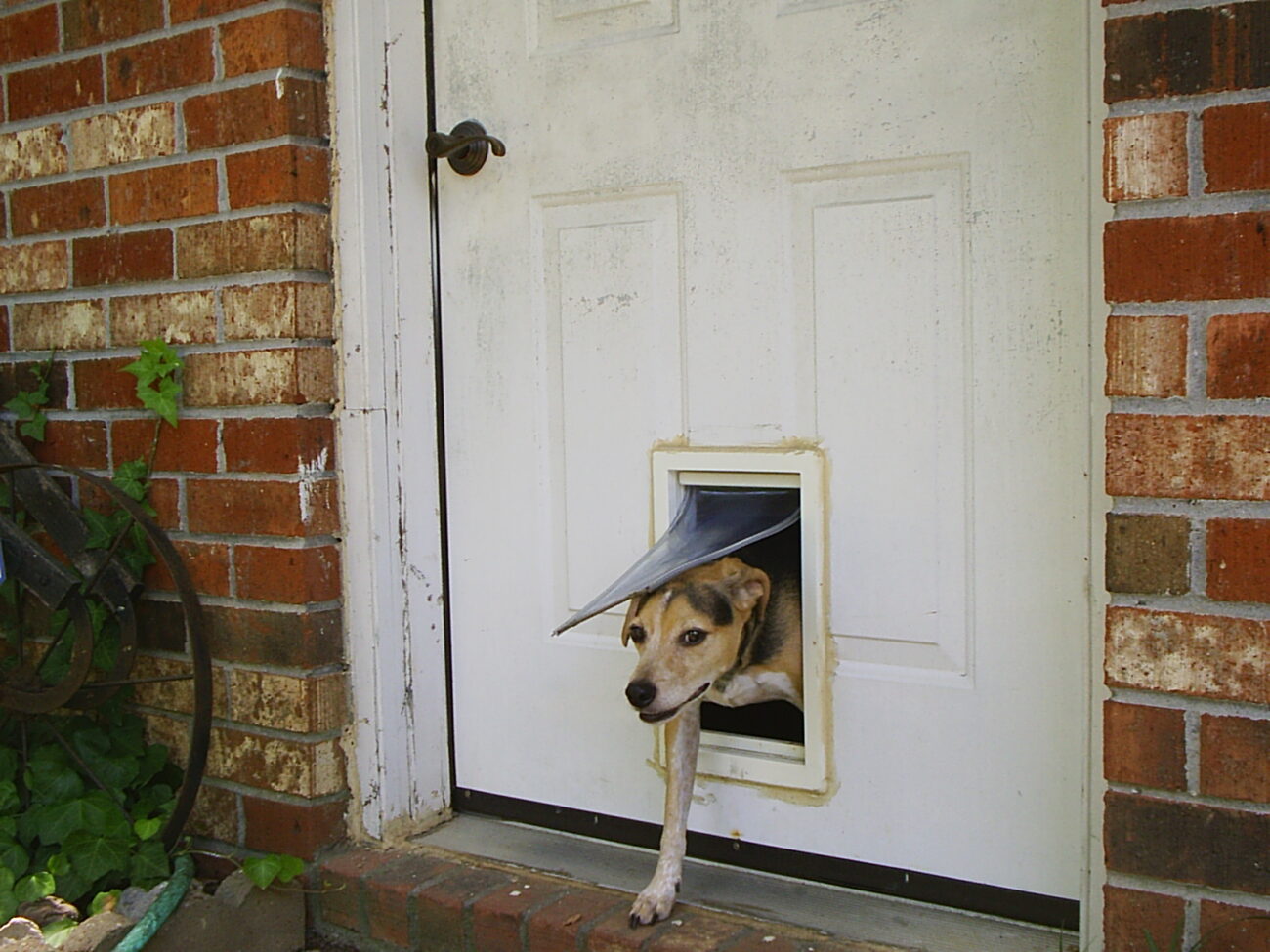
Imagine never having to get up from your couch or desk to let your dog in or out again. Installing a dog door provides your pet freedom to come and go, reduces accidents and gives you peace of mind—especially if you work from home or keep irregular hours. Yet many dogs need guidance to feel comfortable using a flap and navigating the new portal. This step‑by‑step guide explains how to choose the right pet door, prepare your home and train your dog to use it confidently and safely.
Why Consider a Dog Door?
A dog door offers both practical and mental benefits for your dog and your household:
- Convenience: Your dog can relieve itself, sunbathe or explore the yard without waiting for you to open the door.
- Reduced Anxiety: Dogs prone to accidents or separation stress feel more secure when they control their access to the yard.
- Exercise and Enrichment: Access to the outdoors provides additional mental and physical stimulation, especially in fenced areas with toys or sensory activities.
- Supports House Training: Puppies and newly adopted dogs learn where to go potty by practicing using the dog door consistently.
However, there are considerations: not all yards are secure, and some dogs might be inclined to wander if left unsupervised. Safety is a priority when selecting and using any pet door.
Selecting the Right Dog Door
Choosing a suitable pet door involves evaluating your dog’s size, your home’s structure and your security needs. Here are key factors:
Dog Size and Door Dimensions
Measure your dog from the floor to the top of the shoulders and the widest part of the body. The door’s opening should be at least two inches wider and taller than your dog’s dimensions. Some doors come in sizes suitable for small breeds like Chihuahuas, while others accommodate giant breeds. Pick a size that allows comfortable passage without squeezing.
Door Type and Installation Location
Pet doors install in various locations:
- Door-Mounted: Fits into an existing human door. Many are DIY-friendly and require cutting into the door.
- Wall-Mounted: Offers more flexibility for placement but may require professional installation due to wall structure and insulation considerations.
- Sliding Glass Doors: These insert into a patio door track and can be a good option for renters or those unable to modify walls.
Choose a location that leads to a secure outdoor area. The door height should align with your dog’s chest so they do not have to stoop excessively.
Security and Insulation Features
Modern pet doors include features to keep intruders and the elements out:
- Locking Panels: Many have slide-in panels you can lock when you don’t want your dog going out or when you leave home.
- Microchip or Key Access: Electronic doors read your dog’s microchip or collar key, allowing only your pet to pass through.
- Weatherproofing: Some doors have double flaps, magnetic seals and insulation to prevent drafts and maintain indoor temperature.
Consider your climate and neighborhood when selecting these features.
Preparing Your Dog for Training
Before introducing the new dog door, lay groundwork for a positive training experience:
- Introduce the Concept: Show your dog the door before installation if possible. Let them sniff and explore the flap to reduce novelty.
- Maintain a Positive Attitude: Dogs pick up on our energy. Approach training with patience and enthusiasm; never push your dog through or force them.
- Gather Rewards: Use high-value treats, favorite toys and plenty of praise. Small, soft treats work best as they can be quickly consumed without interrupting the training flow.
- Choose Quiet Training Times: Begin in a calm environment without distractions, allowing your dog to focus on the new skill.
Step-by-Step Training Process
Every dog learns at their own pace. The following steps provide a framework you can adapt to your dog’s comfort level. Repeat each step over multiple sessions if needed.
Step 1: Familiarization
With the door installed but the flap secured open, encourage your dog to walk through using treats or toys. Hold the flap open initially to show there’s an opening.
Tip: Some doors allow you to remove the flap temporarily. If possible, remove it during the first few sessions to reduce fear of a moving object.
Step 2: Introducing the Flap Movement
Once your dog comfortably walks through the open doorway, lower the flap gently to touch their back as they pass. This helps them get used to the sensation. Reward with a treat and praise every time they go through.
Patience is key: If your dog hesitates, prop the flap open slightly with tape to create a small gap. Encourage them to push through using treats on the other side.
Step 3: Encouraging Independent Use
After several successful sessions, decrease how much you hold the flap open. Stand on the opposite side and call your dog, letting them push the flap themselves. Reward heavily when they do.
Gradually phase out treats as they become confident and start using the door on their own. Continue praising them to reinforce the behavior.
Troubleshooting Common Challenges
Not all dogs take to dog doors immediately. These strategies address common issues:
- Fear of the Flap: If your dog is scared of the flap hitting them, use clothespins or tape to make the flap less firm. Increase stiffness gradually as they gain confidence.
- Reluctance to Go Outside Alone: Some dogs hesitate to leave the house without you. Stand outside and call them through. Make the outside area inviting with toys, a bed or water.
- Unwanted Exits: If your dog uses the door to run out during thunderstorms or when guests arrive, practice recall and ensure the yard is secure. You may temporarily block the door during unsupervised times.
- Puppy or Senior Dogs: Puppies need time to learn coordination, while seniors may struggle with stiffness. Choose a larger, lower door and give extra encouragement. Monitor senior dogs to ensure they don’t get stuck or overexert themselves outside.
Safety and Maintenance Tips
Installing a dog door comes with responsibilities to keep your dog safe and your home secure:
- Secure Your Yard: Ensure fences are intact, gates are locked and the yard is free from hazards like toxic plants or open pools.
- Wildlife Awareness: In areas with coyotes, raccoons or other wildlife, consider a microchip-activated door or avoid leaving your dog outside unsupervised.
- Weather Considerations: In extreme heat or cold, limit your dog’s time outdoors and ensure they have water and shade. Weatherproof pet doors help maintain indoor comfort.
- Periodic Cleaning: Clean the flap and surrounding area to remove dirt and debris. Check for wear and tear and replace worn parts to maintain insulation and security.
- Use Locking Mechanisms: When you leave home or at night, lock the dog door to prevent unwanted animals or intruders from entering.
Transitioning to Full Freedom
Once your dog uses the door confidently, you can gradually allow unsupervised use. Start by watching from a window to ensure they use it appropriately and stay within the yard. Once you’re comfortable, you can leave the door unlocked while you’re home. Eventually, most dogs will let themselves in and out at will.
For dogs still house training, continue monitoring potty breaks to ensure they go outside and return quickly. Praise them for appropriate elimination outside and encourage them to come in promptly afterward.
Benefits Beyond Convenience
A properly installed and used dog door fosters independence and reduces stress for you and your dog. It provides mental stimulation by offering your dog autonomy. For households with active or high-energy dogs, a pet door can reduce destructive behavior and boredom by allowing them to expend energy in the yard. Seniors with limited mobility or people who work from home often appreciate the convenience of not needing to open the door multiple times per day.
However, remember that a dog door isn’t a substitute for regular walks, exercise and human interaction. Continue engaging in play, training and bonding activities to keep your dog happy and healthy.
Training your dog to use a dog door is a project that pays dividends in convenience and canine contentment. Through patience, positive reinforcement and mindful safety measures, you can teach your dog to embrace their new portal to freedom.