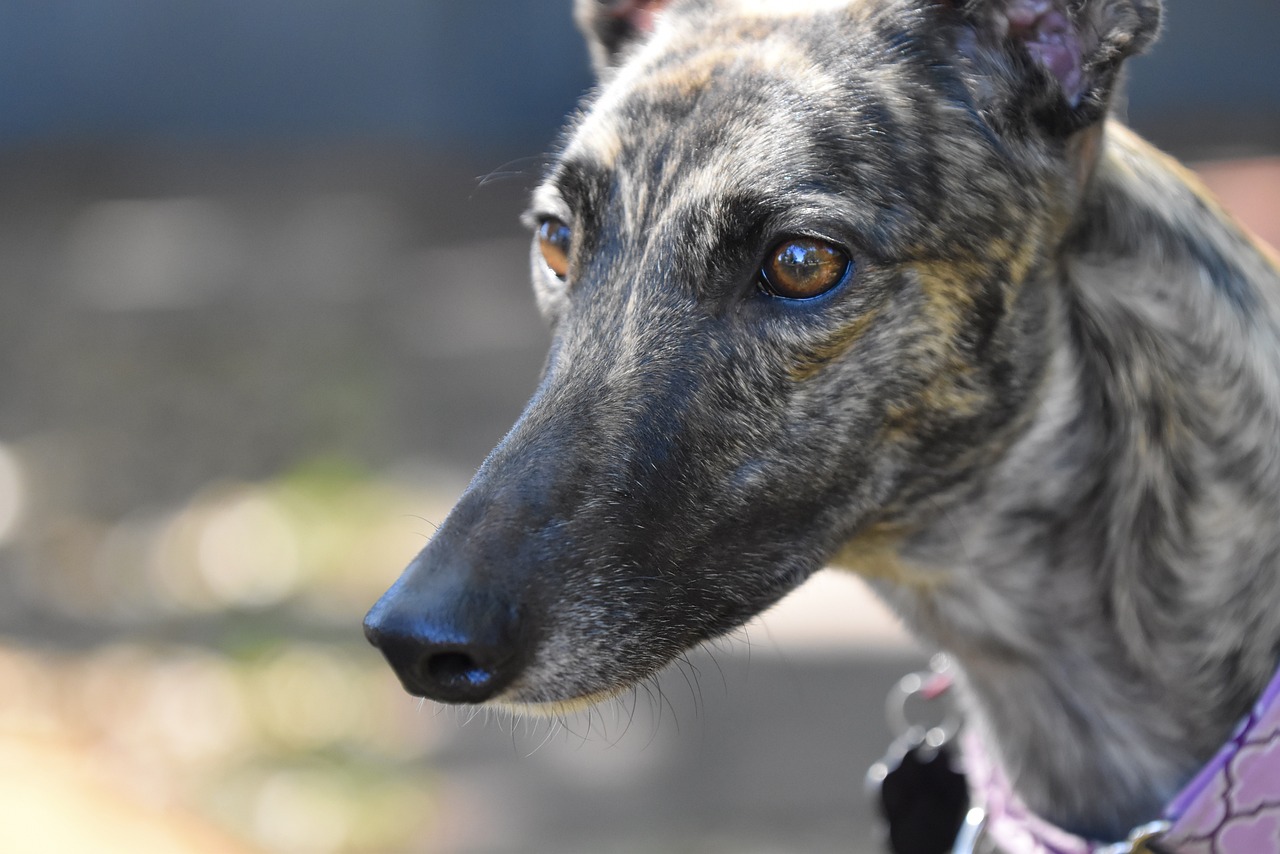
Greyhounds are among the most recognizable dogs in the world. With their long limbs, narrow heads, and deep chests, they’ve been bred for millennia for one purpose: speed. But there’s much more to these gentle, affectionate dogs than the racetrack. Understanding the breed’s history, temperament, and care needs can help you decide if a Greyhound is right for your household.
Ancient Origins and Racing History
The Greyhound is one of the oldest domesticated dog breeds. Dogs with Greyhound-like features appear in ancient Egyptian tomb art dating back to around 2900 BC, and similar sighthounds were highly valued by the Greeks and Romans.
In Great Britain during the Middle Ages, only nobility were permitted to own Greyhounds, and they were prized for hunting hare and deer. In the 19th century, the breed gained new fame through racing, with dogs chasing a mechanical lure around oval tracks in the U.S. and the UK.
Today, Greyhound racing has largely declined, and much of the focus has shifted toward finding loving homes for retired racing dogs.
Physical Characteristics
Greyhounds are built for speed. Their aerodynamic bodies feature long legs, a flexible spine, and a deep chest that supports exceptional lung capacity. Adult Greyhounds typically weigh between 60 and 70 pounds, with females slightly smaller.
Their short, smooth coat comes in a wide variety of colors and requires minimal grooming—usually just a weekly brushing. Although they can reach speeds of up to 45 mph, Greyhounds expend energy in short bursts. After a sprint, they’re perfectly happy lounging for hours, earning them the nickname “45 mph couch potato.”
Temperament and Living Needs
Despite their athletic appearance, Greyhounds are often described as cat-like. They tend to be gentle, quiet, and somewhat reserved with strangers, while remaining affectionate and loyal with their families.
Many Greyhounds have a strong prey drive, as they were bred to chase moving objects. Care is needed around small pets and wildlife. Because they have very little body fat, Greyhounds are sensitive to temperature extremes. They appreciate soft bedding indoors and may need sweaters or coats in cooler weather.
Exercise needs are surprisingly modest. Daily walks and a few chances each week to run in a securely fenced area are usually sufficient. Most Greyhounds are content with about 20–30 minutes of exercise per day and are calm, quiet companions indoors.
Training and Socialization
Greyhounds are intelligent but can be somewhat independent during training. They respond best to positive reinforcement and gentle guidance, while harsh corrections may cause them to shut down.
Retired racing Greyhounds often need time to adjust to life in a home. Everyday things like stairs, slippery floors, mirrors, or televisions may be unfamiliar. Greyhounds are also not naturally inclined to sit due to their body structure and may prefer standing or lying down instead.
Focus training on leash manners, recall, and calm behavior around other animals. Patience and consistency go a long way with this sensitive breed.
Health and Care
Greyhounds are generally healthy dogs with a typical lifespan of 10–12 years. Their deep chests make them more susceptible to bloat, so it’s best to feed multiple small meals and avoid vigorous exercise right after eating.
Because of their low body fat, Greyhounds benefit from well-padded beds to prevent pressure sores. Routine veterinary care, dental hygiene, heartworm prevention, and regular nail trims will help keep them comfortable and healthy.
Adopting a Retired Racer
As racing has declined, many retired Greyhounds are now placed through rescue organizations. These groups evaluate each dog’s temperament and help match them with suitable homes based on lifestyle, children, and other pets.
When bringing a retired Greyhound home, expect an adjustment period. Many have never lived in a house before, so patience, routine, and positive reinforcement are essential. Most rescue groups offer guidance and ongoing support during this transition.
Is a Greyhound Right for You?
If you’re looking for a loving, calm companion that requires moderate exercise and minimal grooming, a Greyhound may be an excellent fit. They do best in homes with secure fencing and owners who appreciate their gentle, relaxed nature.
Households with small pets should carefully assess individual dogs, as prey drive varies. By understanding the Greyhound’s history, personality, and needs, you’ll be well prepared to welcome this elegant and affectionate breed into your life.