Why Fear-Free Vet Visits Matter
Veterinary visits can be overwhelming for many dogs. Unfamiliar smells, strange sounds, slippery floors, and uncomfortable handling can quickly trigger fear and stress. Anxious dogs may tremble, pant, pace, lick their lips, or even growl.
Reducing fear during vet visits benefits everyone involved. A calm dog is easier and safer to examine, appointments run more smoothly, and positive experiences help build trust that carries into future visits.
Recognizing Signs of Stress
Understanding your dog’s body language is the first step toward fear-free vet care. Common signs of stress include pacing, excessive panting, yawning, lip licking, sniffing the ground, vocalizing, freezing in place, or attempting to escape.
Some dogs wag their tails low and fast when anxious, which can be mistaken for friendliness. Knowing your dog’s normal behavior makes it easier to spot subtle signs of discomfort before fear escalates.
Choosing a Fear-Free Clinic
Veterinary clinics vary widely in how they handle anxious patients. Many practices now follow fear-free principles designed to reduce stress and anxiety during exams.
When choosing a clinic, ask whether they use low-stress handling techniques and whether they offer longer appointment times for nervous dogs. Features like separate dog and cat waiting areas, quiet exam rooms, and patient, gentle staff can make a big difference.
Pre-Visit Training at Home
You can prepare your dog for vet visits long before the appointment day. One helpful strategy is scheduling “happy visits” — short trips to the clinic where your dog simply receives treats, meets staff, and leaves without an exam.
At home, practice gentle handling so your dog becomes comfortable being touched. Handle paws, ears, and mouths slowly while offering high-value treats. Teaching your dog to comfortably wear a basket muzzle during play or training sessions can also reduce stress if one is needed later.
You can also desensitize your dog to veterinary tools. Break scary items into small steps. For example, show a capped syringe while rewarding calm behavior, then gradually work up to touching the skin. Keep sessions short, positive, and pressure-free.
Preparing for the Car Ride
For many dogs, anxiety begins before they even reach the clinic. Secure your dog with a crate or safety harness so they feel stable. Bring a favorite blanket or toy for comfort.
If your dog experiences car sickness, talk to your veterinarian about treatment options. Practice short drives that end somewhere fun, like a park or friend’s house, to build positive associations. On appointment day, allow extra time so you remain calm—your dog will pick up on your mood.
At the Clinic
Bring high-value treats such as small pieces of chicken or cheese, along with a favorite toy. If the waiting room is crowded or noisy, ask if you can wait outside or in your car until the exam room is ready.
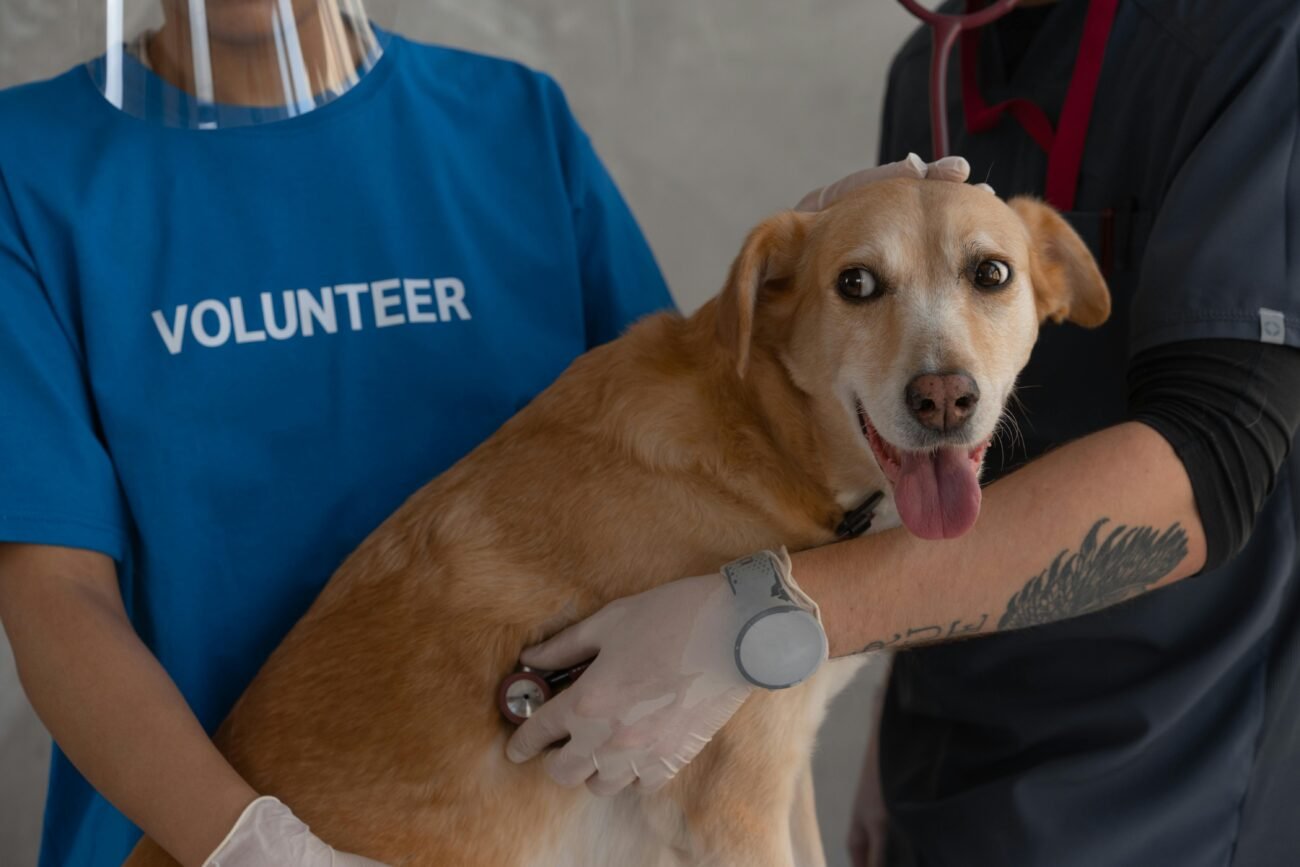
Once inside, allow your dog time to explore the room. Ask staff to move slowly and let your dog approach them rather than being restrained immediately. Speak calmly and reward relaxed behavior.
If your dog becomes overwhelmed, advocate for them. Request breaks when needed. Some dogs benefit from pre-visit calming medications or pheromone products, which should always be discussed with your veterinarian.
Training Techniques During Exams
Positive reinforcement during the exam can significantly reduce stress. Reward calm behavior with treats and praise.
Helpful skills include teaching a chin rest, where your dog places their head on your hand or a towel, allowing access to ears and eyes while remaining still. Another useful behavior is targeting, where your dog touches their nose to your hand to guide them onto scales or tables without force.
If your dog shows signs of distress, ask for a pause. Procedures can often be broken into smaller steps or spread across multiple visits. Avoid physically restraining your dog, as this can increase fear and defensive reactions.
After the Appointment
Once the visit is over, reward your dog with something positive such as a calm walk, playtime, or special treat. Watch for lingering stress signals like hiding or appetite changes.
Take note of what worked well and what didn’t. Schedule additional happy visits to reinforce positive associations with the clinic.
When to Seek Professional Help
If your dog shows extreme fear or aggression during vet visits, professional help may be needed. A certified trainer or veterinary behaviorist can create a desensitization and counterconditioning plan tailored to your dog.
In some cases, behavior medication prescribed by your veterinarian may be appropriate as part of a comprehensive fear-reduction strategy.
Fear-free vet visits are a team effort. With preparation, patience, and positive reinforcement, most dogs can learn to tolerate—and sometimes even enjoy—their veterinary care. Reducing fear protects your dog’s emotional well-being and leads to safer, more successful vet visits for life.