

Introduction to the Whippet
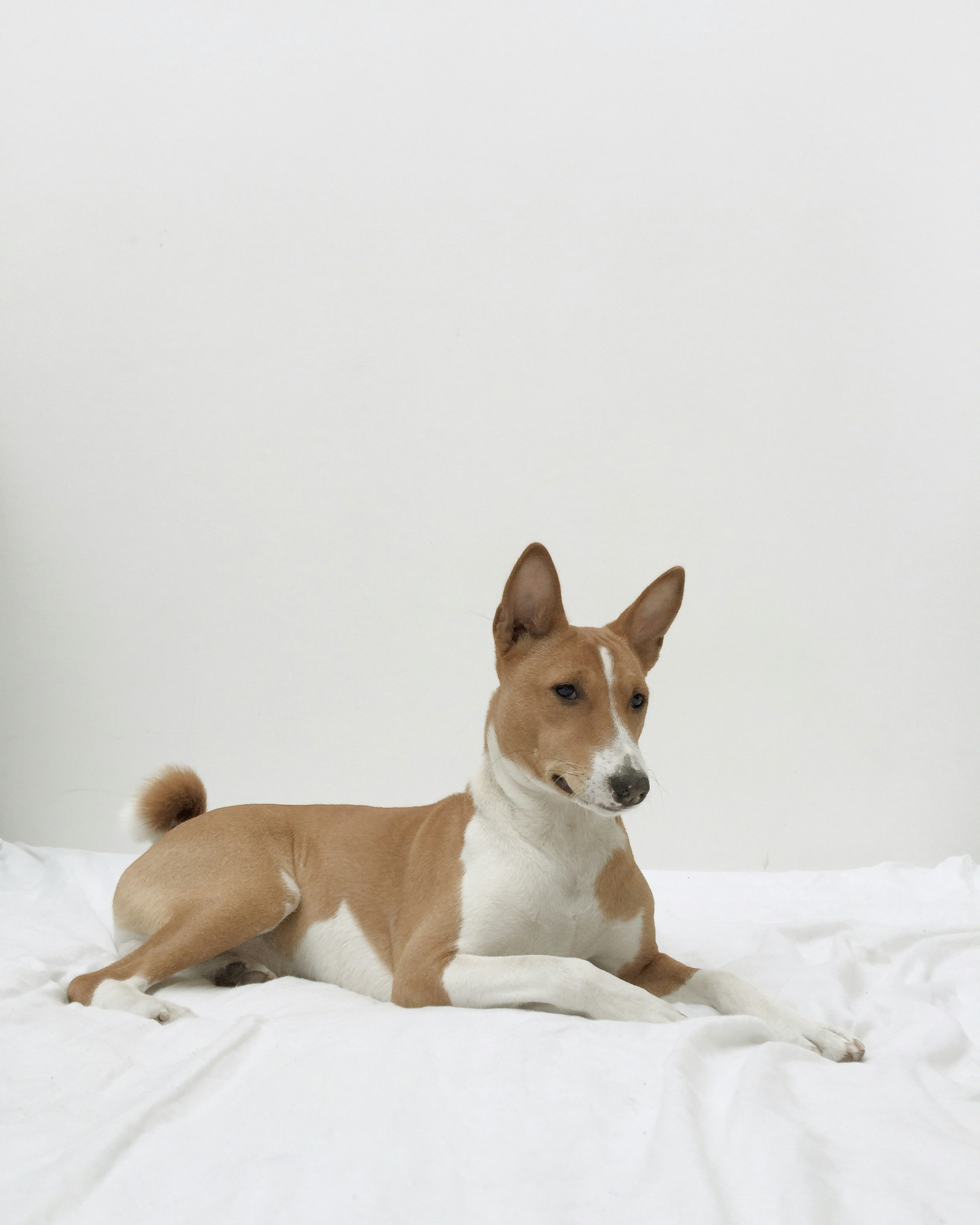
The Whippet is often described as a smaller version of the Greyhound, but this elegant breed has many qualities of its own. Originating in England, Whippets were bred to chase game across open fields, resulting in a streamlined body and impressive speed. Despite their athletic background, Whippets are famously calm, gentle, and affectionate companions at home.
This guide explores the Whippet’s history, physical traits, temperament, training needs, and suitability as a family pet. Whether you’re considering adoption or simply curious about the breed, this overview offers practical, easy-to-understand insight.
History and Origin
Whippets originated in northern England during the 18th and 19th centuries. Miners and laborers wanted a smaller, more affordable racing and hunting dog, leading to crosses between Greyhounds and terrier-type dogs. The result was a fast, agile sighthound capable of racing and hunting rabbits over short distances.
The breed’s name likely comes from the old word “whappet,” meaning a small, quick dog. Over time, Whippets gained popularity with both working-class families and nobility. Their speed made them stars of coursing events, while their gentle nature helped them transition into beloved household companions.
Physical Characteristics
Whippets have a sleek, aerodynamic build designed for speed. Their deep chest, narrow waist, and long legs allow them to sprint efficiently. Adults typically weigh between 25 and 40 pounds and stand 18 to 22 inches tall at the shoulder.
Their short, smooth coat comes in many colors and patterns, including fawn, brindle, black, blue, and piebald. While athletic outdoors, Whippets are well known for their love of lounging indoors. Because they have very little body fat, they are sensitive to cold weather and often need sweaters or coats in cooler climates.
Key Physical Traits
- Speed: Capable of reaching speeds up to 35 miles per hour.
- Size: Medium-sized, lean, and muscular.
- Coat: Short and smooth with minimal shedding.
- Color variety: Wide range of coat colors and patterns.
Temperament and Personality
Whippets are gentle, affectionate, and sensitive dogs that form strong bonds with their families. They enjoy spending time with their people and are happiest when included in daily life. While playful outdoors, they are calm and relaxed indoors, making them well suited for apartment living when their exercise needs are met.
They are generally patient and tolerant with children, though their slim build means rough handling should be avoided. Whippets usually get along well with other dogs, but their prey drive may be triggered by small pets such as rabbits or hamsters.
Why People Love Whippets
- Quiet dogs that rarely bark excessively
- Low-maintenance grooming needs
- Affectionate and loyal companions
- Adaptable to many living environments
Exercise and Training
Despite their speed, Whippets are not endurance athletes. They thrive on one or two short bursts of exercise each day, such as sprinting in a fenced area or playing fetch. Because of their strong chase instinct, off-leash time should only occur in secure spaces.
Training a Whippet requires patience and a gentle approach. These dogs are intelligent but sensitive, and harsh corrections can cause them to shut down. Positive reinforcement methods work best, combined with early socialization to build confidence and prevent shyness.
Tips for Successful Training
- Use reward-based training with treats and praise
- Keep sessions short, positive, and engaging
- Socialize with a variety of people and environments
- Provide a quiet, comfortable resting area
Health and Care
Whippets are generally healthy dogs with a lifespan of 12 to 15 years. However, there are a few health considerations to keep in mind.
Common Health Considerations
- Heart conditions: Some Whippets may develop heart murmurs or cardiomyopathy.
- Anesthesia sensitivity: Low body fat can make them more sensitive; experienced veterinarians are recommended.
- Eye issues: Cataracts or progressive retinal atrophy may occur in some lines.
- Injuries: Thin skin makes them more prone to cuts and bruises.
Provide a balanced diet, regular veterinary care, dental hygiene, and soft bedding to support joint health and comfort.
Is a Whippet Right for You?
A Whippet may be an excellent choice if you’re looking for a calm, affectionate dog that enjoys short bursts of activity followed by long naps. Their manageable size, quiet nature, and low grooming needs suit many households, including apartments.
However, they may not thrive in chaotic homes or environments with rough play. Thoughtfully consider your lifestyle, space, and ability to meet their exercise and comfort needs before committing.
Adoption and Breeder Tips
Consider adopting a Whippet through a rescue organization, as many wonderful dogs are looking for homes. If working with a breeder, choose one who prioritizes health testing, socialization, and transparency.
Ask about health screenings, temperament, and the dog’s background. Responsible breeders and rescues will gladly help you find a good match.
Conclusion
Whippets are unique dogs—graceful sprinters outdoors and gentle companions indoors. Their adaptable, loving nature makes them a joy in many homes. By understanding their needs and personality, you can build a rewarding, long-lasting bond with this elegant breed.


Sweet blog! I found it while searching on Yahoo News. Do you have any suggestions on how to get listed in Yahoo News? I’ve been trying for a while but I never seem to get there! Thank you
I have been exploring for a little bit for any high-quality articles or weblog posts on this sort of area . Exploring in Yahoo I finally stumbled upon this site. Reading this information So i’m satisfied to express that I have a very good uncanny feeling I found out exactly what I needed. I such a lot for sure will make certain to don’t overlook this site and give it a glance regularly.