Why Teach the Place Command?
The Place command teaches your dog to go to a specific spot—such as a bed, mat, or platform—and remain there until released. This simple but powerful cue helps manage excitable behavior, encourages calmness, and gives your dog a clear job during busy moments.
Whether you’re answering the door, eating dinner, or hosting guests, the Place command provides structure and helps your dog settle confidently instead of reacting impulsively.
Equipment You’ll Need
Before you begin training, gather a few basic tools to set your dog up for success:
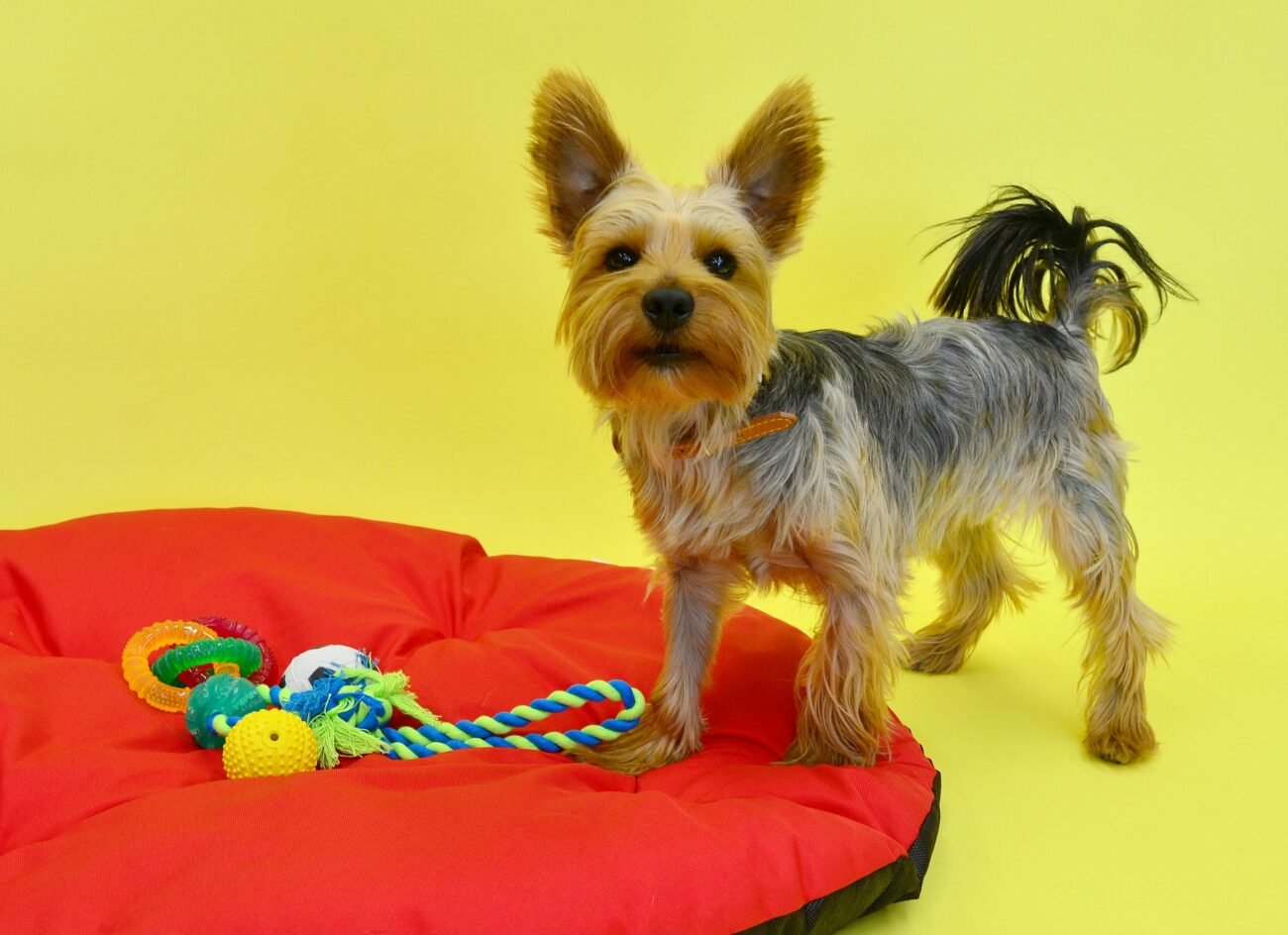
- A designated mat or bed: Large enough for your dog to lie down comfortably.
- High-value treats: Soft, tasty rewards keep motivation high.
- Clicker (optional): Useful for marking precise behavior.
- Leash: Helps guide your dog during early training stages.
Step-by-Step Training Plan
Training the Place command works best when sessions are short, calm, and consistent.
1. Introduce the Mat
Place the mat on the floor and allow your dog to investigate. Reward any interaction—sniffing, stepping on it, or standing near it. This creates a positive association with the spot.
2. Lure Your Dog onto the Mat
With your dog on a leash, guide them onto the mat using a treat. When all four paws are on the mat, mark the behavior with a click or verbal cue like “Yes,” then reward.
Repeat until your dog willingly steps onto the mat without hesitation.
3. Add the Cue Word
Once your dog consistently goes to the mat, say the cue “Place” just before they step onto it. Gradually fade the lure and rely on the verbal cue and a pointing hand signal.
Reward every successful repetition to reinforce the behavior.
4. Build Duration
Ask your dog to go to Place, then reward after a few seconds of staying put. Use a consistent release word like “Free” or “Okay” to let them leave.
Slowly increase the time your dog remains on the mat, rewarding intermittently to encourage staying.
5. Add Distractions
Introduce mild distractions such as stepping away, sitting down, or clapping softly. If your dog breaks Place, calmly guide them back without scolding and reward when they succeed.
Gradually practice with higher distractions, including visitors or activity in the room.
6. Generalize the Behavior
Practice Place in different rooms, outdoors, and on different mats or platforms. This teaches your dog that “Place” means settling on any designated spot—not just one specific bed.
Troubleshooting Common Issues
If your dog struggles, try these adjustments:
- Keep sessions short: Five to ten minutes is ideal.
- Increase reward value: Use better treats if motivation drops.
- Lower difficulty: Reduce distractions and rebuild gradually.
- Stay calm and consistent: Gently reset rather than correcting.
Everyday Uses for the Place Command
The Place command is incredibly practical in daily life:
- Keeping your dog calm when guests arrive
- Preventing begging during meals
- Providing comfort during storms or stressful events
- Helping your dog settle during outdoor outings
Advanced Training and Variations
Once your dog understands Place, you can add distance, longer durations, or movement around them. Some dogs enjoy using raised platforms, which can improve confidence and body awareness.
You can also integrate Place into agility, obedience routines, or trick training to strengthen impulse control.
Conclusion
The Place command is one of the most effective tools for teaching calm behavior and improving communication with your dog. With patience, consistency, and positive reinforcement, your dog will learn to relax on cue in a wide range of situations.
The result is a more confident, well-mannered dog—and a more peaceful daily routine for both of you.