
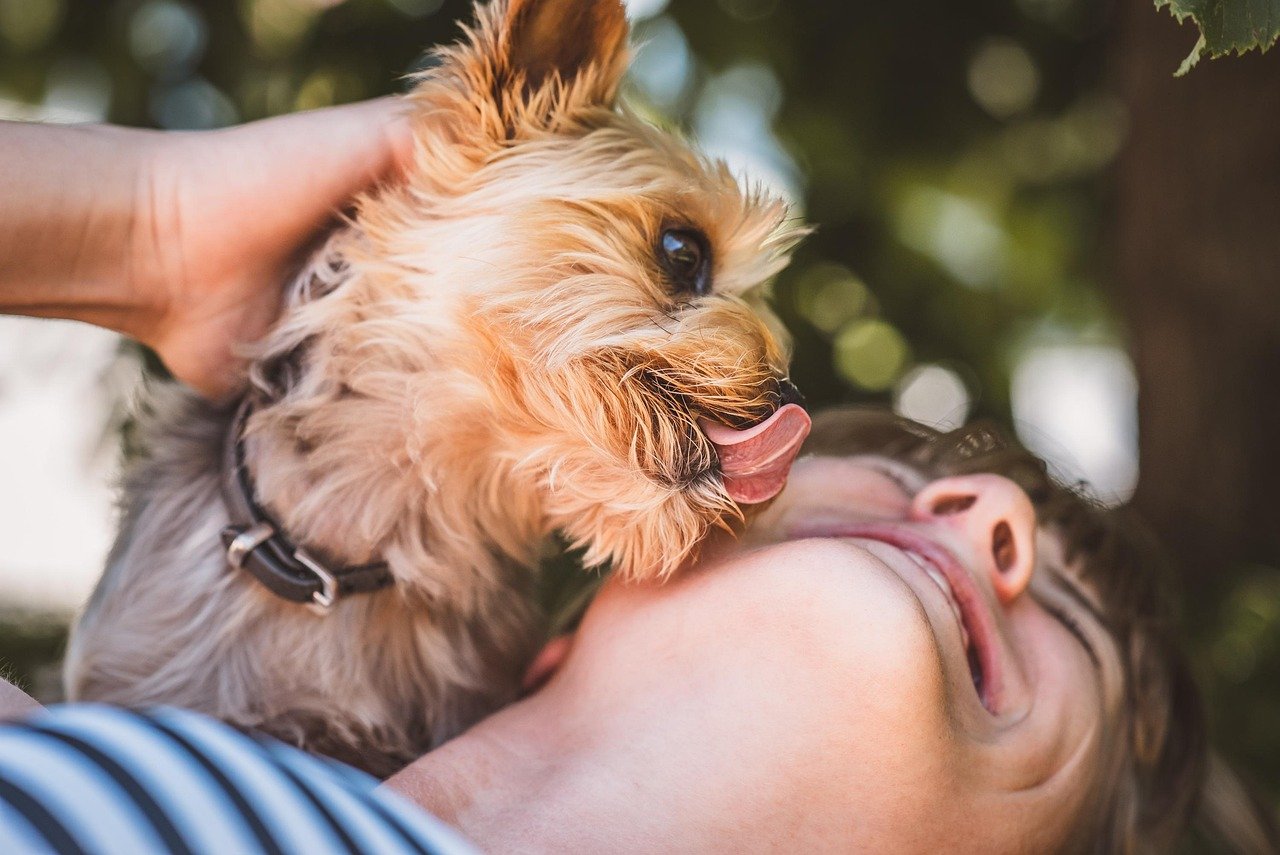
It’s a familiar experience for anyone who lives with a dog: that warm, raspy tongue on your hand, face, or even your toes. While many owners assume licking is simply a sign of affection, the behavior is far more complex. Dogs explore the world with their noses and mouths, and licking serves multiple purposes—from communication and bonding to self-soothing and sensory exploration.
Licking also triggers the release of feel-good chemicals in a dog’s brain, including endorphins and dopamine, which can reduce stress and reinforce social connections. From the moment puppies are born, licking is associated with comfort, care, and survival. Understanding why dogs lick helps owners respond with empathy rather than frustration.
How Puppies Learn to Lick
Mother dogs begin licking their puppies immediately after birth to clean them and stimulate breathing and circulation. For the first few weeks, maternal licking also triggers elimination, teaching puppies that licking is essential for care and communication. As puppies grow, they lick littermates to groom, bond, and appease.
Puppies also lick their mother’s face to encourage regurgitated food—an instinct inherited from wild ancestors. Even though domestic dogs no longer rely on this behavior, the instinct to lick faces often persists into adulthood.
Common Reasons Dogs Lick
Dogs lick for many reasons, and the motivation can vary by context:
- Affection and bonding: Licking releases calming hormones and strengthens social bonds. Many dogs lick when greeting family members or during relaxed moments.
- Communication and appeasement: Licking can signal respect or friendliness. Dogs may lick to defuse tension or show submissive intent.
- Exploration and taste: Dogs rely heavily on scent and taste to interpret the world. Salty skin, lotions, and lingering food smells are especially enticing.
- Grooming: Dogs lick themselves to clean their fur and paws and may attempt to groom their human family members.
- Attention seeking: If licking consistently earns a reaction—laughter, petting, or conversation—dogs may repeat it to gain attention.
- Stress relief: Licking can be self-soothing for anxious or bored dogs, helping them cope with uncomfortable emotions.
Why Dogs Lick Certain Body Parts
Dogs often target specific areas of the human body:
- Hands: Hands carry scents from everything you touch and often taste salty from sweat.
- Faces: Face licking mimics canine social behavior and targets scent-rich areas around the eyes and mouth.
- Ears: Earwax and skin oils have strong scents that dogs find appealing.
- Feet: Feet contain many sweat glands, making them especially attractive—plus, human reactions often turn it into a game.
When Licking May Signal a Problem
Occasional licking is normal, but excessive or compulsive licking can indicate an underlying issue. Dogs that lick themselves constantly may be dealing with allergies, skin irritation, pain, or anxiety. Persistent licking of surfaces or people can also be linked to nausea or gastrointestinal discomfort.
If licking is difficult to interrupt or accompanied by signs like pacing, panting, whining, hair loss, or wounds, consult your veterinarian to rule out medical causes before addressing behavioral ones.
Managing and Redirecting Excessive Licking
If licking becomes disruptive, focus on redirection rather than punishment:
- Increase enrichment: Provide daily exercise, training, puzzle toys, and sniffing games to reduce boredom.
- Teach clear cues: Train a gentle “enough” or “all done” cue, rewarding calm behavior when licking stops.
- Offer appropriate outlets: Lick mats, frozen KONGs, or safe spreads like plain yogurt or pumpkin satisfy the urge to lick.
- Ignore attention-seeking licking: Briefly withdraw attention and reengage once your dog is calm.
- Address anxiety: Predictable routines, safe spaces, and calming tools can help dogs who lick due to stress.
- Check with your vet: Skin issues, dental pain, parasites, or digestive problems can all trigger excessive licking.
Setting Healthy Boundaries
Even when licking isn’t a problem, you may prefer less slobber. Gently redirect your dog, keep wipes or towels handy, and avoid encouraging licking in situations where it’s unwanted. Never punish licking—harsh reactions can increase anxiety and damage trust.
When Licking Is Welcome
For many owners, an occasional dog “kiss” is part of the joy of companionship. If you allow licking, practice good hygiene and teach children how to stay calm and respectful during interactions. Clear, consistent boundaries help dogs understand what’s appropriate.
Conclusion
Licking is a natural canine behavior rooted in early development, social bonding, and emotional regulation. Whether your dog is expressing affection, seeking comfort, or exploring their environment, licking is rarely random. By understanding the context and frequency of the behavior, you can respond thoughtfully, reduce unwanted licking, and strengthen the bond you share with your dog.


Great blog here! Also your website loads up fast! What host are you using? Can I get your affiliate link to your host? I wish my site loaded up as quickly as yours lol