
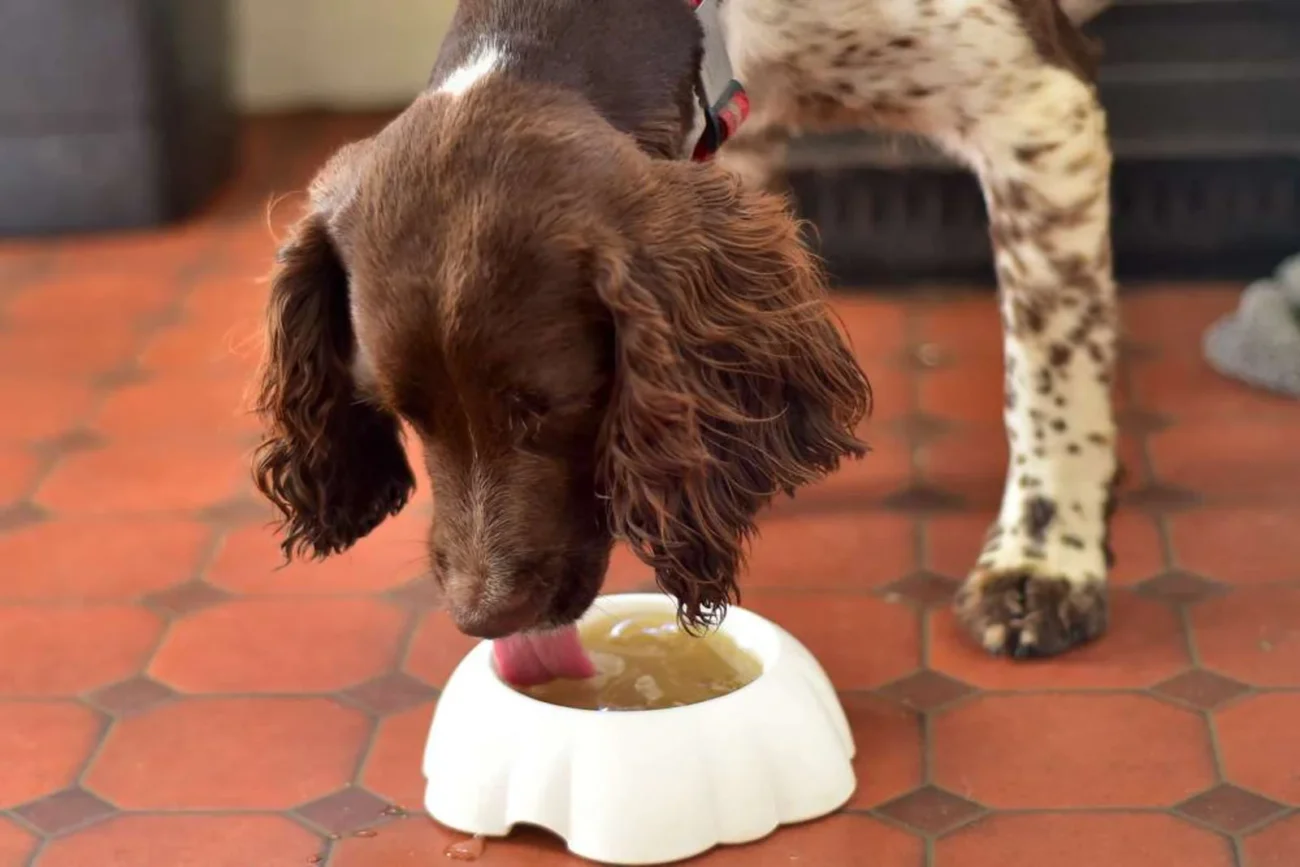
Bone Broth for Dogs: Nutritional Benefits and Easy Homemade Recipes
Bone broth has long been valued for its rich flavor and health benefits in human diets, and it can be just as beneficial for dogs. Made by slowly simmering bones, connective tissue, and dog-safe vegetables, bone broth extracts nutrients that support joint health, digestion, hydration, and overall wellness. This guide explains why bone broth is a smart addition to your dog’s diet, how to prepare it safely at home, and the best ways to serve it.
Why Bone Broth Is Beneficial for Dogs
Slow-simmering bones releases compounds that aren’t typically found in muscle meat alone. Key components include:
- Collagen and gelatin: Support joint health, skin elasticity, and connective tissue while aiding digestion.
- Amino acids: Glycine, proline, and glutamine help reduce inflammation, support gut health, and assist tissue repair.
- Glucosamine and chondroitin: Naturally released from cartilage-rich bones and beneficial for joint support.
- Minerals: Calcium, phosphorus, magnesium, and potassium contribute to bone strength and nerve function.
- Hydration: Bone broth encourages fluid intake, especially helpful for seniors, picky drinkers, or sick dogs.
Health Benefits
- Joint support: Helps lubricate joints and may reduce stiffness in aging or active dogs.
- Digestive health: Gelatin supports the gut lining and improves nutrient absorption.
- Immune support: Amino acids and minerals contribute to a strong immune response.
- Detox support: Glycine assists liver function and natural detoxification.
- Picky eaters and seniors: Enhances food aroma and softens kibble for dogs with dental issues.
Choosing Ingredients Safely
Select high-quality, raw bones from poultry, beef, or lamb. Good options include marrow bones, knuckles, joints, oxtails, and chicken or duck feet. Avoid cooked bones and never include onions, garlic, leeks, or chives.
Dog-safe vegetables include carrots, celery, zucchini, and parsley. A small amount of apple cider vinegar or lemon juice helps draw minerals from the bones and is safe when used sparingly.
Homemade Bone Broth Recipe
Ingredients
- 2–3 pounds raw bones (mixed joints, marrow, or feet)
- 1 tablespoon apple cider vinegar or lemon juice
- 2 carrots, chopped
- 2 celery stalks, chopped
- 1 zucchini, chopped (optional)
- Fresh parsley or dog-safe herbs (optional)
- Water to cover ingredients
Instructions
- Prepare bones: Optionally blanch large beef bones for a clearer broth.
- Combine: Place all ingredients in a slow cooker or large pot and cover with water.
- Simmer: Cook on low for 12–24 hours (slow cooker) or 8–18 hours (stovetop).
- Strain: Remove solids and discard bones and vegetables.
- Remove fat: Chill overnight and skim off hardened fat.
- Store: Refrigerate up to 5 days or freeze in portion-sized containers.
Serving Suggestions
- Meal topper: Add warm broth to kibble or wet food.
- Hydration boost: Serve cooled broth as a drink.
- Frozen treats: Freeze in cubes for hot days.
- Recovery support: Offer to dogs recovering from illness (vet approval recommended).
Precautions and Considerations
- Fat content: Always skim excess fat to reduce pancreatitis risk.
- No added salt: Sodium can be harmful to dogs.
- Protein sensitivities: Match bones to proteins your dog tolerates.
- Medical conditions: Consult your vet if your dog has kidney disease or pancreatitis.
Variations and Enhancements
- Poultry feet: Boost collagen and gelatin.
- Fish broth: Rich in omega-3s; simmer only 4–6 hours.
- Turmeric or ginger: Use sparingly for anti-inflammatory support.
- Leafy greens: Add near the end for extra nutrients.
Store-Bought Alternatives
If buying commercial broth, choose products made specifically for dogs. Avoid onion, garlic, artificial flavors, and excess sodium. Look for transparent sourcing and human-grade ingredients.
Conclusion
Bone broth is a nourishing, affordable way to support your dog’s joints, digestion, hydration, and immune health. Whether homemade or carefully selected from pet-safe brands, it’s a flavorful addition most dogs love. Introduce it gradually and consult your veterinarian if your dog has health concerns, but don’t be surprised if bone broth becomes a favorite part of mealtime.


Hi there! Would you mind if I share your blog with my facebook group? There’s a lot of folks that I think would really enjoy your content. Please let me know. Thank you
There is noticeably a bundle to know about this. I assume you made certain good points in features also.
I used to be very happy to search out this internet-site.I wanted to thanks to your time for this excellent learn!! I undoubtedly enjoying each little little bit of it and I have you bookmarked to check out new stuff you blog post.