
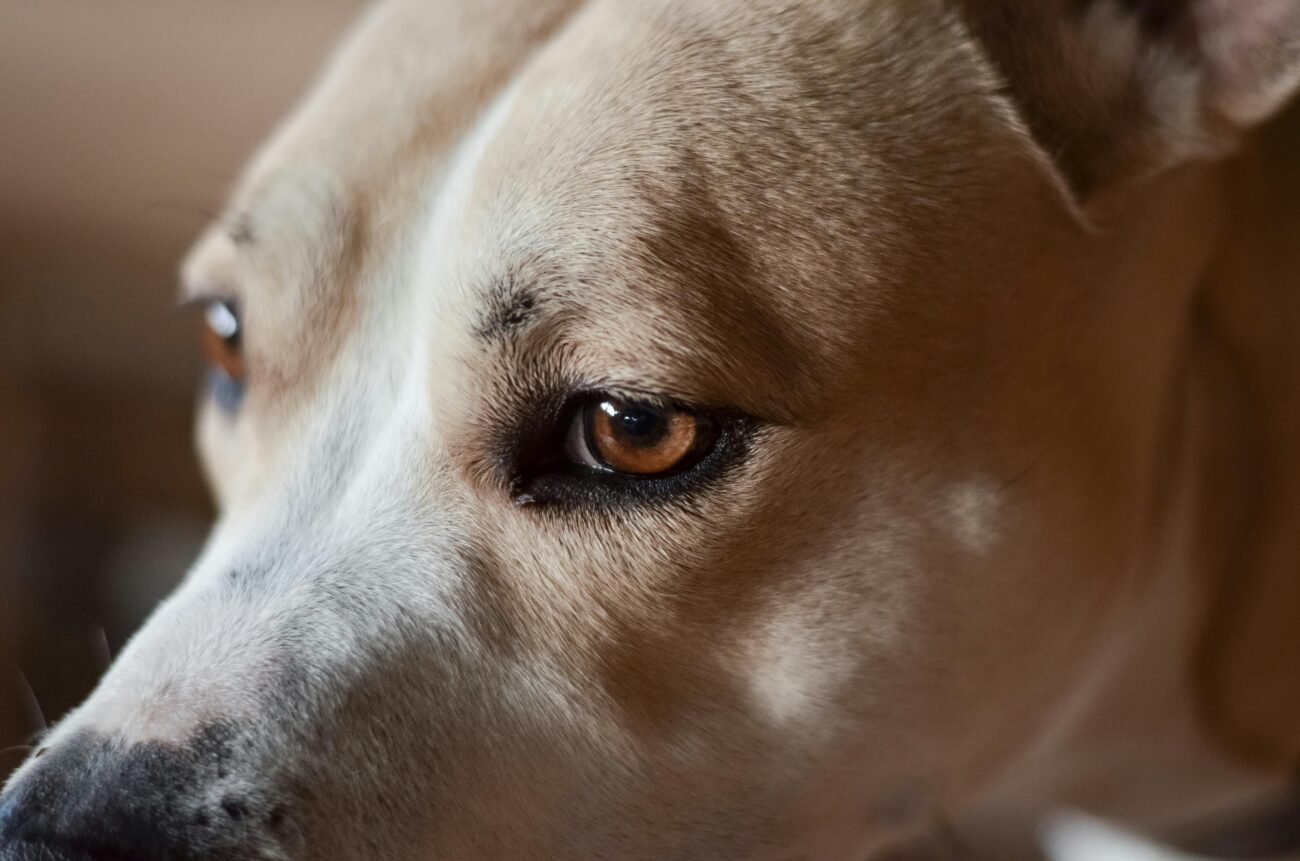
Dogs experience the world differently from humans, and that includes the way they see. While we notice a rainbow of colors and fine details, your dog’s eyes are built for a different kind of visual adventure. In this guide, we’ll break down the science behind canine vision, explain how dogs perceive color and motion, and share practical tips for protecting and enriching your dog’s eyesight.
How Dog Vision Differs From Human Vision
At first glance, it may seem like your dog sees the world the same way you do, but the anatomy of the canine eye tells another story. Dogs generally have fewer cone cells (which detect color) and more rod cells (which detect motion and work better in low light). That combination helps dogs spot movement at dawn or dusk, but it also means their world looks less vivid than ours.
Here are a few key differences:
- Field of view: Many dogs have a wider field of view than humans due to eye placement. Breed matters—long-nosed sighthounds can have especially broad, almost panoramic vision.
- Depth perception: Wider eye placement can reduce depth perception slightly. Dogs often rely on other senses (especially smell) to judge distance and context.
- Motion sensitivity: With a higher proportion of rods in the retina, dogs are excellent at detecting movement, even in dim light.
These differences help explain why your dog might miss a toy sitting still nearby, but instantly react to a squirrel moving at the edge of the yard.
Color Perception in Dogs
The old myth that dogs see only in black and white isn’t true. Dogs can see color, but their color range is more limited than ours. Humans are trichromats (three types of cones sensitive to red, green, and blue). Dogs are dichromats with cones tuned primarily to blue and yellow wavelengths.
In practical terms, your dog’s world is mostly blues, yellows, and shades of gray or brown. Reds and greens tend to look muted—often appearing brownish or gray. A red toy in green grass, for example, may not “pop” the way it does to you.
What this means day to day:
- Toys and training tools: Blue and yellow toys are often easier for dogs to spot, especially outdoors.
- Safety gear: Bright colors help humans see your dog more easily, even if your dog doesn’t perceive those colors the same way.
- Home setup: Contrast in shape, texture, and brightness matters more than color when helping your dog navigate spaces.
Even with limited color vision, dogs compensate with incredible hearing and an extraordinary sense of smell—two senses that do most of the heavy lifting in how they interpret the world.
Night Vision: Why Dogs Excel in Low Light
Ever notice how confidently your dog moves around at dusk while you’re squinting? Dogs have several adaptations that make low-light vision a strength:
- Tapetum lucidum: A reflective layer behind the retina that bounces light back through the eye, boosting low-light performance. It’s also why dog eyes can “glow” in photos.
- Higher rod density: Rods are more sensitive to light and motion, helping dogs detect movement in dim conditions.
- Larger pupils: Dog pupils can open wider than ours, letting in more light.
The trade-off is that dogs typically have lower daytime visual acuity. They may see a general shape at a distance but use motion and scent to confirm what it is.
Supporting Your Dog’s Eye Health
Vision may not be your dog’s primary sense, but healthy eyes still matter. Here are simple ways to support long-term eye health:
- Regular vet check-ups: Annual (or biannual for seniors) exams can catch issues like cataracts, glaucoma, or retinal disease early.
- Balanced nutrition: Nutrients such as vitamin A, lutein, and omega-3 fatty acids support eye health. Ask your vet if your dog could benefit from diet changes or supplements.
- Protective eyewear: Dog goggles (“doggles”) can help on hikes, bike rides, dusty trails, or car rides with windows down.
- Safer play spaces: Trim sharp shrubs at eye level, remove hazards in the yard, and use size-appropriate toys to reduce accidental eye injuries.
- Watch for warning signs: Redness, cloudiness, squinting, pawing at the eyes, or unusual discharge are all reasons to call your vet.
Enriching Your Dog’s Sensory World
Even if your dog doesn’t see every color, you can still create a visually (and mentally) engaging environment. Enrichment works best when it taps into multiple senses.
1. Choose High-Contrast Toys
Blue and yellow toys often stand out best for dogs. Texture helps too—ridged or crinkly toys add extra sensory interest.
2. Add Scent Games
Hide treats or a favorite toy and encourage your dog to sniff them out. Nose work is deeply satisfying and helps reduce boredom.
3. Rotate and Refresh the Environment
Rotate toys weekly, introduce new puzzle feeders, or rearrange safe obstacles at home. Small changes keep your dog curious and engaged.
4. Try a Twilight Walk
Since dogs do well in low light, a dusk walk can be especially fun. Use a leash, reflective gear, and a light for safety, then let your dog take time to sniff and explore.
Breed Differences in Vision
Not all dogs see the same way. Breed and skull shape can influence eye placement and visual strengths:
- Brachycephalic breeds (like pugs and bulldogs) tend to have more forward-facing eyes, which can slightly improve depth perception but reduce the overall field of view.
- Sighthounds (like greyhounds and whippets) often have wide-set eyes and long skulls, giving them an impressive field of view for spotting movement at a distance.
- Working and herding breeds may have traits shaped by tasks that rely on tracking motion and scanning surroundings.
Understanding your dog’s natural strengths can help you pick better games, toys, and training approaches.
Understanding Your Dog Better
Learning how your dog sees the world can make everyday life smoother—and more fun. You’ll choose toys that are easier to spot, plan walks when your dog can navigate confidently, and recognize early signs of eye trouble. Dogs may not see the same colors we do, but their vision—paired with their powerful noses and ears—helps them experience a rich world that we can’t fully imagine.
Next time you’re picking a toy, consider blue or yellow. During an evening walk, notice how effortlessly your dog moves in dim light. And remember: the more you understand your dog’s senses, the better you can support a happy, confident life.