Introduction: Why Picnics Are Great for Dogs and Humans
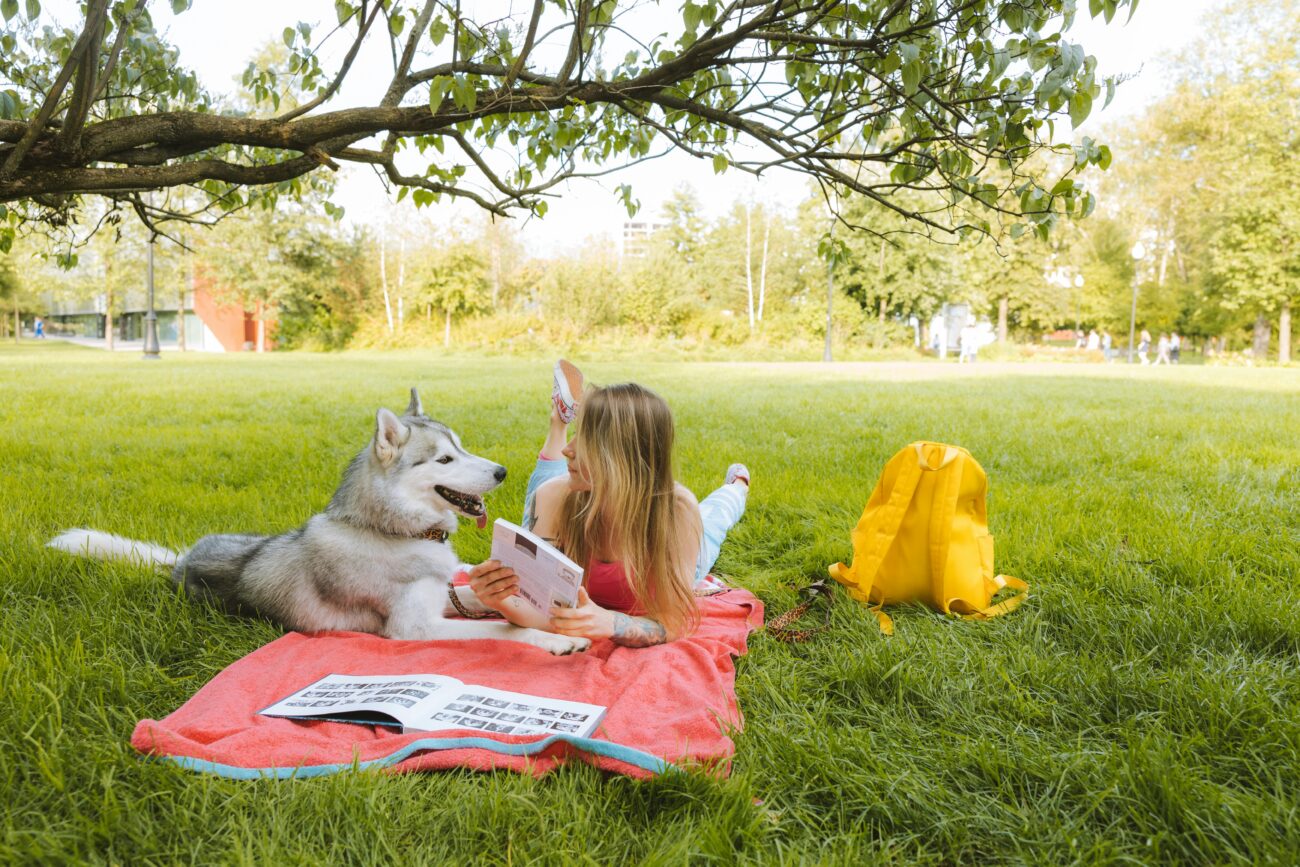
There’s something special about spreading out a blanket under a shade tree and enjoying a meal outdoors. The experience is even better when your canine companion is by your side. Dogs love being included in family activities, and a picnic gives them a chance to explore new scents, relax on the grass, and bond with you in a laid-back setting. With a little planning and some basic dog-care knowledge, you can create a safe and memorable picnic experience that you and your pup will cherish.
Choose a Dog-Friendly Location
The first step in planning a dog-friendly picnic is selecting the right spot. Not all parks or public spaces welcome dogs, and those that do often have specific rules regarding leashes, clean-up, and designated areas. Researching your destination ahead of time will help you avoid disappointment and ensure that both you and your dog can relax.
What to Look for in a Picnic Spot
- Dog-friendly policies: Check park regulations online or call ahead to confirm that dogs are allowed. Some parks have off-leash areas where dogs can roam freely, while others require leashes at all times.
- Shade and shelter: Dogs can overheat quickly, especially in the middle of the day. Look for a location with plenty of trees or a covered pavilion to provide shade. Portable canopies can also create a comfortable spot for your dog to rest.
- Access to fresh water: Nearby water fountains or streams make it easier to keep your dog hydrated. If water isn’t available, be sure to bring plenty of your own.
- Low foot traffic: Busy picnic areas can be stressful for dogs, especially if they are reactive or easily overwhelmed. Choose a quieter section of the park where your dog will have room to relax without constant interruptions.
- Pet waste stations: Responsible pet ownership includes cleaning up after your dog. Areas with waste bag dispensers and trash bins make this task more convenient.
Packing the Perfect Picnic Basket
Preparation is key to a successful picnic. In addition to your own favorite foods and beverages, you’ll need to bring along items specifically for your dog’s comfort and safety.
Essentials for Your Dog
- Portable water bowl and fresh water: Hydration is critical, particularly on warm days. A collapsible silicone bowl or a travel water bottle designed for dogs makes it easy to offer water regularly.
- Healthy dog treats and food: Bring your dog’s regular kibble or wet food if you’re going to be out during mealtime. A mix of low-fat treats can serve as rewards for good behavior.
- Leash and harness: Even if you’re heading to an off-leash area, you’ll need a leash for walking to and from the picnic site. A comfortable harness distributes pressure more evenly than a collar and reduces strain on your dog’s neck.
- Poo bags: Always pick up after your dog to keep public spaces clean and to set a good example for other pet owners.
- Blanket or mat: Bring a blanket for your dog to lie on so that they have a designated spot beside you. A familiar mat can help anxious dogs settle more quickly in an unfamiliar environment.
- Toys and chews: A favorite chew toy or a puzzle feeder can keep your dog occupied while you enjoy your meal. Tug toys or balls are great for interactive play before and after eating.
- Basic first-aid kit: Pack essentials such as tweezers (for removing splinters or ticks), antiseptic wipes, bandages, and any medications your dog might need. Hopefully you won’t have to use them, but having supplies on hand provides peace of mind.
- Sunscreen and insect repellent: Short-haired or light-colored dogs can get sunburned. Use a pet-safe sunscreen on exposed skin and consider a dog-friendly insect repellent to ward off mosquitoes and ticks.
Safe Foods and Treats for Dogs
Sharing your picnic food can be part of the fun, but not all human foods are safe for canine consumption. Knowing which items are healthy for dogs and which ones to avoid will prevent digestive upset or more serious health issues.
Dog-Friendly Picnic Snacks
- Lean meats: Grilled or boiled chicken, turkey, and lean beef are excellent protein sources, as long as they’re unseasoned and boneless. Avoid processed meats like hot dogs that are high in salt and preservatives.
- Vegetables: Carrot sticks, cucumber slices, and green beans are crunchy, low-calorie treats dogs often love. They also contain vitamins and fiber.
- Fruits: Apples (without seeds), blueberries, and watermelon (without rind or seeds) make sweet, hydrating snacks. Serve them in small pieces to prevent choking.
- Whole grains: Cooked brown rice or plain oatmeal can be mixed with meat for a more substantial snack. These are gentle on the stomach and provide complex carbohydrates.
- Dog biscuits or homemade treats: Bringing your dog’s own treats ensures there’s something familiar to satisfy their taste buds, and it helps maintain their regular diet.
Foods to Avoid Sharing
- Grapes and raisins: Even small amounts can cause kidney failure in dogs.
- Chocolate and caffeine: Both contain methylxanthines, which are toxic to dogs and can cause vomiting, seizures, and rapid heart rate.
- Onions, garlic, and chives: These can damage a dog’s red blood cells and lead to anemia.
- Fatty and fried foods: High-fat foods can trigger pancreatitis. Avoid giving your dog ribs, bacon, or chicken skin.
- Alcohol and xylitol: Many picnic drinks and sugar-free foods contain substances that are extremely dangerous to dogs. Never allow your dog to drink alcohol or consume xylitol-sweetened products.
If in doubt, stick to dog-specific treats or consult your veterinarian before offering new foods.
Training and Etiquette for a Stress-Free Picnic
A well-behaved dog makes picnicking more enjoyable for everyone. Working on basic obedience and reinforcing positive behavior will help your dog handle the excitement of an outdoor meal.
Brush Up on Commands
- Recall (“come”): Teach your dog to come when called, even when there are distractions. Practicing in a fenced yard or on a long leash builds reliability.
- Stay and place: Commands like “stay” and “place” teach your dog to remain on their blanket or mat while you’re eating.
- Leave it: This command prevents your dog from snatching food from your plate or from the ground. Start training at home using treats and gradually generalize to more tempting situations.
- Gentle or easy: Use this cue to remind your dog to take food calmly and not snatch from your hand.
Social Etiquette
- Respect other picnickers: Keep your dog on a leash around people who may be uncomfortable with dogs. Don’t allow your dog to approach other picnic setups without permission.
- Manage excitement: If your dog gets overly excited, take a short walk or play a quick game of fetch away from the eating area to burn off energy.
- Reward calm behavior: Bring treats and praise your dog for lying quietly beside you. Positive reinforcement strengthens good manners.
- Prepare for other animals: Wildlife such as squirrels and birds can be tantalizing distractions. Having control over your dog reduces the chance of chasing and ensures safety.
Activities and Games to Make Your Picnic Fun
A picnic isn’t just about food; it’s an opportunity to engage your dog mentally and physically. Incorporating playtime makes the outing stimulating and prevents boredom.
- Interactive toys: Puzzle toys or treat-dispensing balls keep dogs occupied and mentally challenged while you enjoy your meal.
- Fetch and tug: Bring a favorite ball or rope toy for a quick game before or after eating. Playing fetch in an open area helps your dog burn energy.
- Sniffing games: Hide treats under cups or within a snuffle mat to encourage your dog’s natural foraging instincts. Sniffing is mentally tiring and satisfying.
- Training sessions: A picnic is a fun place to practice tricks like “shake,” “high five,” or “roll over.” Short sessions keep your dog focused and reinforce obedience.
- Relaxation: Don’t forget to leave time for lounging. Snuggling together on the blanket and simply watching the world go by strengthens your bond.
Health and Safety Considerations
While picnicking is generally low-risk, it’s important to be aware of hazards that can arise outdoors. A few simple precautions will keep your dog comfortable and safe throughout the outing.
- Heat awareness: Dogs don’t sweat like humans do. They pant to cool down and are susceptible to heatstroke. Plan your picnic in the morning or late afternoon, provide shade, and take breaks if your dog seems overheated.
- Hydration: Offer water frequently, especially if your dog is running or playing. Signs of dehydration include dry gums and excessive panting.
- Paw protection: Hot surfaces like pavement or sand can burn your dog’s paws. If you must walk over hot areas, consider protective booties or carry your dog until you reach the grass.
- Parasite control: Use flea and tick preventatives year-round. After the picnic, check your dog’s fur for ticks, burrs, or foxtails, and remove them promptly.
- Wild plants and insects: Keep an eye out for poisonous plants and insects. Fire ants, bees, and wasps can sting or bite, so avoid letting your dog sniff around dense bushes or anthills.
- Allergies: Some dogs are sensitive to pollen, grass, or certain foods. Carry antihistamines prescribed by your veterinarian if your dog has known allergies, and watch for signs like itchiness or swelling.
- Clean up: Dispose of trash, leftover food, and dog waste properly. Keeping the area clean prevents other animals from ingesting harmful items and keeps the park enjoyable for everyone.
Conclusion: Enjoy Quality Time Outdoors
Organizing a dog-friendly picnic may require a bit of extra planning, but the rewards are well worth the effort. By choosing an appropriate location, packing the right supplies, providing safe foods, practicing good manners, and paying attention to your dog’s comfort, you can create a delightful outdoor meal that both you and your furry friend will enjoy. A picnic is more than just a meal—it’s an opportunity to connect with your dog, explore the outdoors together, and make lasting memories.