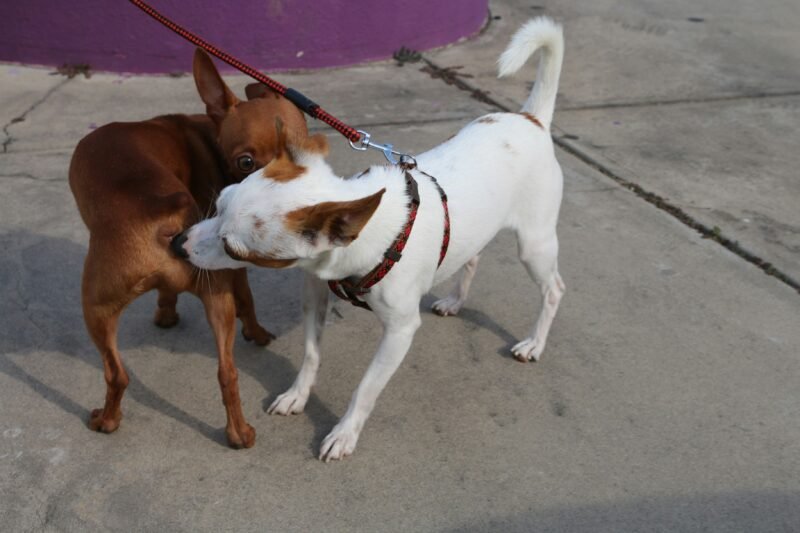
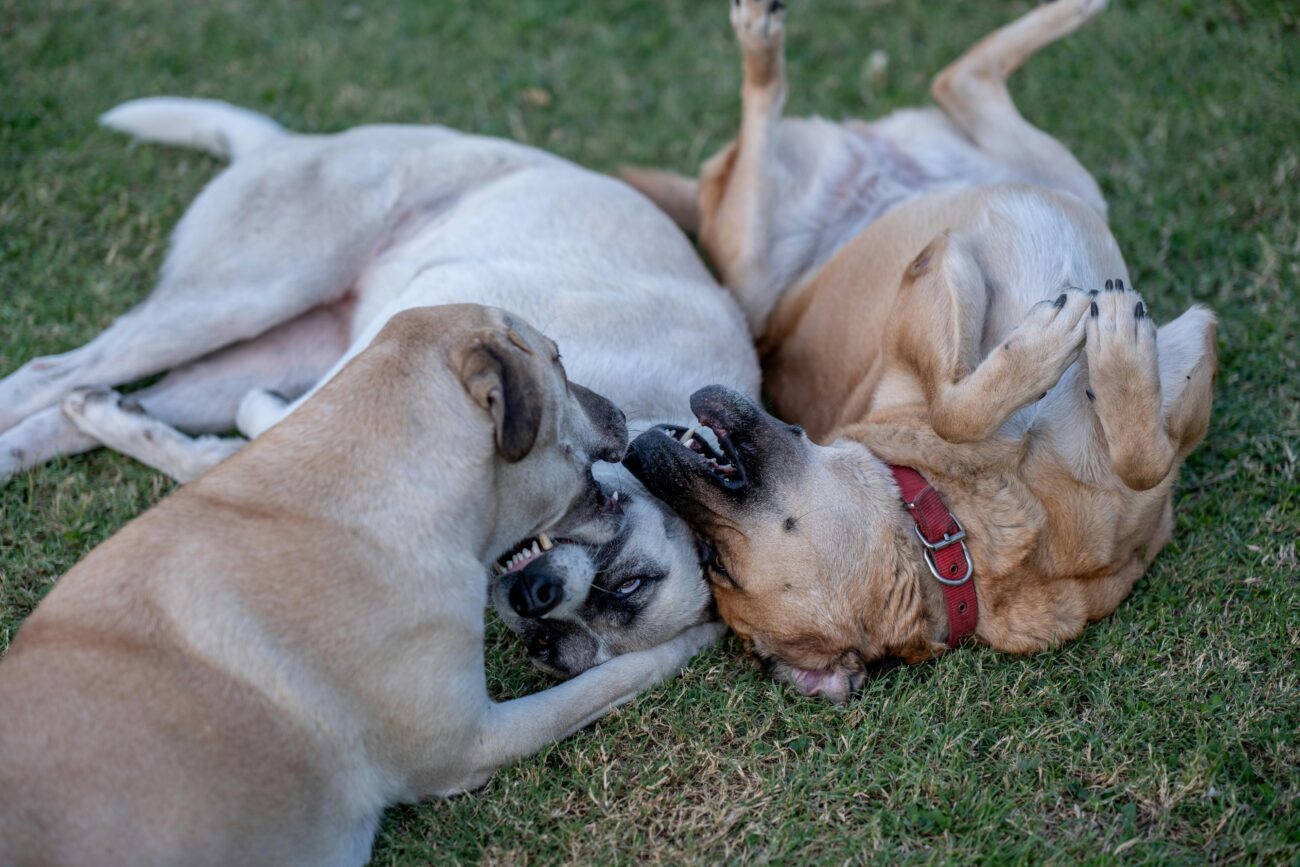
Most dogs will mount something at some point in their lives. Whether your pup grabs a pillow, humps another dog at the park, or surprises you by latching onto your leg, humping is a behavior that often leaves humans confused or embarrassed. It’s easy to assume that all mounting is sexual, but that isn’t always the case. Mounting is a multifaceted behavior that can serve different purposes depending on the context, the dog’s age and sex, and even their emotional state. Learning why dogs hump and how to respond can help you support your dog’s physical and emotional well‑being.
Is Humping Normal?
Humping, also called mounting, is a natural canine behavior. Puppies may experiment with mounting as part of play, and intact (unneutered or unsprayed) dogs may mount during courtship. Even well‑trained, well‑socialized dogs may occasionally hump. What matters is understanding the motivation behind the behavior and whether it requires intervention. In most cases, humping is socially awkward for humans but harmless for dogs. However, persistent or compulsive mounting can indicate stress, anxiety, or medical issues that need to be addressed.
Common Reasons Dogs Hump
There are many reasons why dogs mount objects, people, or other dogs. Being able to distinguish these causes will help you choose an appropriate response.
- Play and excitement: Young dogs often hump during play as a way to expend excess energy. It’s common in group play sessions for dogs to take turns chasing, wrestling, and mounting. These playful mounts are usually short‑lived and switch roles frequently.
- Overstimulation or stress: When dogs become overly aroused—whether from excitement, frustration, or nervousness—mounting can be an outlet for pent‑up energy. A dog left alone for long periods may hump as a stress relief behavior.
- Attention seeking: Dogs quickly learn that humping gets a reaction from their humans. If your dog humps and you immediately yell or push them away, they may interpret this as attention—even negative attention can reinforce the behavior.
- Medical or hormonal factors: Intact males and females may hump during adolescence or estrous cycles. Urinary tract infections, skin allergies, and prostate issues can also cause irritation, leading dogs to lick and mount the area to self‑soothe. If your dog’s mounting is accompanied by licking, redness, or signs of discomfort, consult your veterinarian.
- Compulsive behavior: In rare cases, mounting can become repetitive or compulsive. Dogs that lack physical or mental stimulation may turn to humping as a self‑soothing habit. Compulsive mounting often persists even when the dog is interrupted or redirected.
- Not about dominance: Mounting is not necessarily a sign that your dog is trying to “dominate” you or other dogs. Modern behavior science shows that dogs don’t operate within strict hierarchies the way we once believed. Instead, they respond to what has been reinforced and what feels good or relieves tension.
When Should You Be Concerned?
It’s important to differentiate between normal, occasional humping and behavior that indicates a problem. Ask yourself:
- Does your dog mount excessively, even when plenty of exercise and enrichment are provided?
- Does the mounting occur in stressful situations, such as when guests arrive or loud noises happen?
- Is your dog licking or chewing their genitals excessively or showing signs of pain?
- Are other dogs reacting negatively—growling or trying to escape when your dog mounts them?
If you answered yes to any of these, a vet visit or consultation with a qualified trainer or behaviorist is warranted. Medical issues like urinary tract infections, allergies, or hormonal imbalances should always be ruled out before assuming the cause is purely behavioral.
How to Redirect or Reduce Mounting
Once medical causes are ruled out, you can use positive reinforcement training and management to reduce inappropriate humping. Remember, punishment (shouting, hitting, or kneeing your dog) can increase anxiety and make the problem worse. Instead, focus on prevention and teaching alternate behaviors.
- Spay or neuter: Sterilization often reduces hormonally driven humping in adolescents and adults. While it doesn’t eliminate the behavior entirely, it can decrease the frequency and intensity.
- Provide adequate exercise and enrichment: Many dogs hump simply because they have energy to burn. A mix of physical activities (walks, play, agility) and mental stimulation (puzzle toys, training games) can help satisfy your dog’s needs and reduce stress.
- Interrupt and redirect: Watch for signs that your dog is about to mount—dilated pupils, play bows, circling—and interrupt with a cheerful call or clap. Redirect them to a more appropriate behavior, such as sitting for a treat or playing with a toy. Reinforce the new behavior so it becomes more rewarding than humping.
- Teach a reliable “leave it” or “off” cue: Training your dog to disengage when asked gives you a polite way to stop mounting without resorting to punishment. Start in low‑distraction areas and reward generously for compliance.
- Manage triggers: If humping occurs in specific situations—when guests arrive, during play at dog parks, or when your dog is anxious—manage those environments. Use baby gates to separate dogs, offer breaks during high‑energy play, and provide a quiet retreat when your dog feels overwhelmed.
- Stay calm: Yelling or laughing can inadvertently reinforce the behavior. Respond neutrally, then redirect to a more acceptable activity.
Working With Professionals
If your dog’s mounting is frequent, intense, or accompanied by other problem behaviors (growling, guarding, aggression), consult a professional. A certified dog trainer or veterinary behaviorist can design a behavior modification plan tailored to your dog’s triggers and needs. Medical professionals can also evaluate underlying conditions or discuss whether spaying/neutering is appropriate at your dog’s age and health status.
Helping Other Dogs in Group Settings
If you’re managing play between dogs, intervene politely when one dog mounts another. Not all dogs appreciate being humped, and it can lead to scuffles. Teach an interrupter cue like “let’s go!” and move the mounting dog away. Give both dogs a break and redirect them to separate activities until they’ve calmed down. Reinforce polite play with praise and treats.
Conclusion
Humping isn’t always what it appears to be. Dogs mount for a variety of reasons, from play and stress relief to attention seeking and hormonal changes. By understanding the underlying cause of mounting, you can respond appropriately—whether that means providing more exercise, teaching a solid leave‑it cue, or seeking veterinary care. With patience and positive training, most dogs can learn to channel their energy into behaviors we find more appropriate, ensuring everyone stays comfortable and happy.