
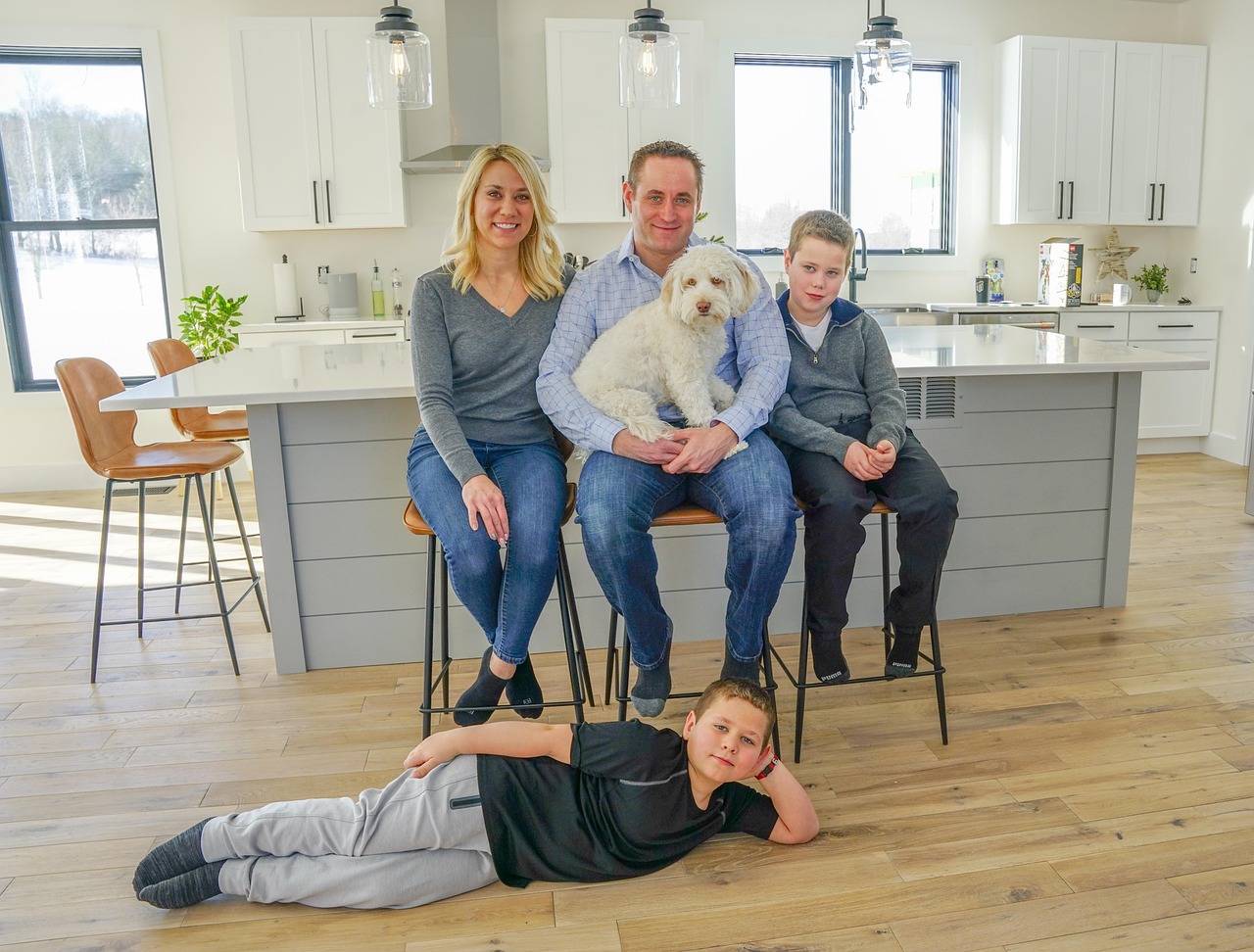
Minimalism has gained popularity as people seek to declutter their lives and focus on what truly matters. But can you embrace a minimalist lifestyle when you share your home with a dog? The good news is yes—minimalist living and responsible pet ownership can coexist beautifully. By prioritizing essential items, organizing smartly, and choosing quality over quantity, you can create a calm and comfortable environment for both you and your canine companion. This article explores practical strategies for simplifying your space while meeting your dog’s needs.
Understanding Minimalism with Pets
At its core, minimalism is about reducing excess and making intentional choices. This philosophy applies to pets as well: provide what your dog needs for health and happiness without accumulating unnecessary stuff. Minimalism isn’t about deprivation; it’s about curating your environment thoughtfully so that every item serves a purpose. Embracing this mindset can lead to a more peaceful home and a stronger bond with your dog, as you spend more time together instead of managing clutter.
Essential Items Only
Dogs require certain basics: food, water, shelter, medical care, enrichment, and affection. Beyond that, many pet products marketed as “must-haves” are optional. To simplify your space:
- Focus on quality: Invest in durable essentials like a sturdy leash, a well-made collar, and a comfortable bed. Quality items last longer, reducing replacement waste.
- Choose multipurpose toys: Look for toys that serve multiple functions, such as chew toys that also clean teeth or interactive puzzles that can be used with different treats.
- Limit duplicates: Your dog doesn’t need a closet full of sweaters or twenty different balls. Keep a few favorites and donate extras to shelters.
- Use washable items: Machine-washable beds, blankets, and covers simplify cleaning and eliminate the need for spares.
Before buying anything new, ask whether it truly benefits your dog or if you’re being swayed by clever marketing. This habit prevents clutter from accumulating.
Decluttering Existing Pet Supplies
Many households accumulate pet gear over time. Decluttering starts with evaluating what you already have:
Conduct a Pet Inventory
Gather all your dog-related items in one place. Sort them into categories: feeding, grooming, toys, bedding, training tools, and medication. Examine each item’s condition and usefulness. Toss anything broken, expired, or heavily worn. Donate gently used items that your dog no longer enjoys.
Create Organized Storage
Once you’ve pared down, designate specific storage areas for remaining items. Use containers or baskets to corral toys and supplies. Clear, labeled bins make it easy to find what you need quickly. Keep daily use items like food and leash near the door or feeding area for convenience.
Smart Storage Solutions
Minimalist homes rely on thoughtful storage to maintain a clean look. Here are some ideas tailored to dog owners:
- Built-in cabinets: If you’re remodeling or have DIY skills, incorporate built-in cabinetry near entryways for leashes, poop bags, and outdoor gear.
- Under-bed bins: Store extra blankets, seasonal gear, or grooming supplies under your bed or couch to keep them out of sight.
- Wall hooks: Install hooks for hanging leashes, harnesses, and treat bags. Vertical storage saves floor space and keeps items handy.
- Furniture with hidden storage: Consider ottomans or benches with built-in compartments for toys and supplies. These pieces do double duty by providing seating and storage.
Whenever possible, opt for storage that blends with your décor. Neutral baskets, sleek cabinets, and wooden crates can complement minimalist aesthetics while keeping pet items organized.
Maintaining a Tidy Feeding Area
Pet feeding stations are notorious for attracting clutter. To keep this area minimalist:
- Use an elevated feeder with built-in storage for food or treats underneath.
- Keep dog food in a sealed, attractive container rather than bulky bags. Choose one that fits neatly in a pantry or cabinet.
- Place a washable mat under bowls to catch spills and make cleaning easier.
- Adopt a routine of washing bowls after each meal to avoid stack-ups.
A designated feeding area with clean lines supports the minimalist look and makes it easier to manage mealtimes.
Minimalist Grooming Routines
Regular grooming keeps your dog healthy and reduces shedding mess. You don’t need an arsenal of grooming tools—focus on essentials:
- Quality brush: Choose one appropriate for your dog’s coat type. A good brush can handle daily maintenance and reduce the need for multiple grooming gadgets.
- Nail clippers or grinder: Keep your dog’s nails trimmed to prevent discomfort and household scratches.
- Dog-safe shampoo: A gentle formula meets most bathing needs. Avoid storing multiple scents or specialized products unless recommended by a vet.
- Ear cleaning solution: Regular ear checks and gentle cleaning prevent infections.
Perform grooming tasks regularly to prevent buildup of fur and dander. If professional grooming is necessary for your dog’s breed, schedule appointments consistently to maintain a neat coat.
Training and Enrichment Without Clutter
Dogs need mental stimulation and physical exercise, but you don’t need a pile of gadgets to provide enrichment. Here’s how to keep your dog entertained minimalist-style:
- Rotate toys: Keep a small selection out and store the rest. Rotate weekly to make old toys feel new. This keeps clutter at bay and maintains your dog’s interest.
- DIY toys: Repurpose household items like old T-shirts or socks to create braided tug toys. Use muffin tins and tennis balls to make a simple puzzle feeder.
- Outdoor adventures: Regular walks, hikes, or trips to the park offer natural stimulation without adding physical objects to your home.
- Training games: Teach new tricks or practice obedience commands. A clicker and a few treats are all you need for mental exercise.
Minimalism encourages creativity. Focusing on experiences rather than possessions is beneficial for both you and your dog.
Mindful Purchasing
To maintain a minimalist home, adopt mindful purchasing habits. Before buying any pet item, consider:
- Is this item a necessity or a fleeting desire?
- Will it improve my dog’s health, safety, or happiness?
- Do I already own something that serves the same purpose?
- Where will I store it, and do I have space?
- Can I borrow or make it instead?
Taking a moment to evaluate each purchase prevents impulse buys that contribute to clutter. Instead, save your budget for experiences like training classes or pet-friendly vacations that create lasting memories.
Maintaining Cleanliness
Minimalist spaces thrive on cleanliness, and living with a dog doesn’t have to compromise that. Develop routines to manage pet mess:
- Daily sweeping or vacuuming: Pick up fur and dirt before it accumulates. Consider a robot vacuum if you prefer a hands-off approach.
- Wipe paws: Keep a towel or mat by the door to clean your dog’s feet after walks, reducing tracked-in mud.
- Wash bedding regularly: Fresh bedding minimizes odors and fur buildup.
- Spot clean: Address accidents or spills immediately to prevent stains and smells.
Maintaining a tidy environment benefits your health and your dog’s. Regular cleaning reduces allergens and makes your home more inviting.
Balancing Style and Comfort
A minimalist home doesn’t have to look sterile. Choose dog supplies that match your décor and add warmth to your space. Neutral-colored beds, stylish ceramic food bowls, and woven toy baskets can complement your design. Incorporate natural textures like wood and cotton to create a cozy atmosphere. The goal is harmony: a space that feels serene without sacrificing comfort for you or your dog.
Conclusion
Minimalist living with a dog is about intention. By focusing on essentials, decluttering regularly, organizing smartly, and making mindful purchases, you can enjoy a peaceful, tidy home that still meets your dog’s needs. The minimalist journey isn’t a one-time project—it’s an ongoing practice of evaluating what adds value to your life. When you apply this philosophy to pet ownership, you’ll find that less truly can be more: more space, more clarity, and more quality time with your beloved companion.