
Introduction
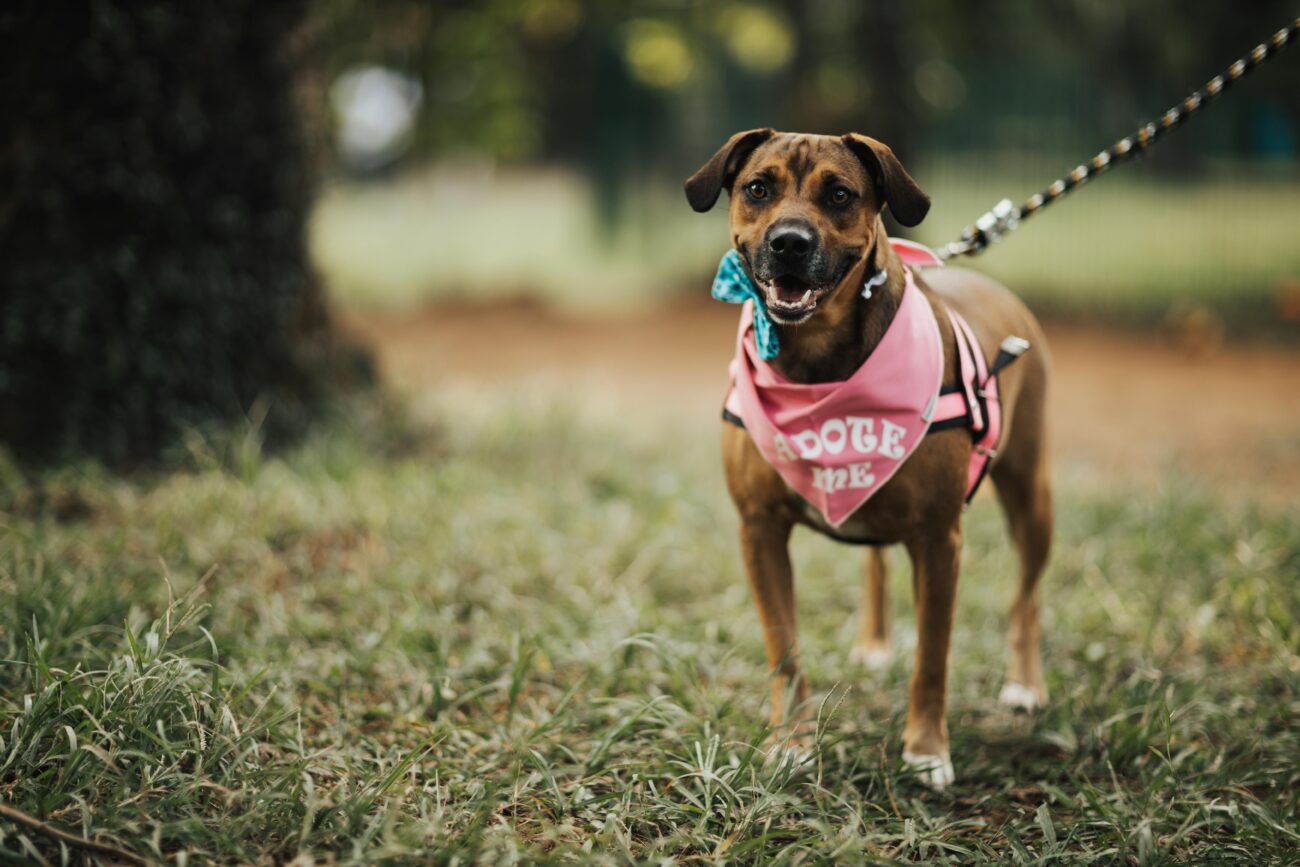
Bringing home a rescue dog is one of the most rewarding decisions you can make — but it’s also a big change. Your new family member may come with a past you don’t fully know, and helping them adjust takes patience, empathy, and consistency. Adopting isn’t just about saving a life — it’s about building trust and creating a safe, loving environment where your dog can finally relax and belong.
1. Setting Realistic Expectations
Rescue dogs often need time to decompress and understand that they’re home for good. Don’t expect instant affection or obedience — the first few weeks are all about establishing safety. Your pup may hide, ignore toys, or even resist touch. That’s normal. The key is to let them set the pace and show you when they’re ready to connect.
Pro Tip: Think of the first three months as the “trust-building phase.” Routine, calmness, and patience will be your best tools.
2. Prepare Your Home Before Adoption
- 🦴 Create a quiet “safe zone” with a bed and water bowl away from foot traffic.
- 🚪 Use baby gates to manage space until your dog learns boundaries.
- 🍽️ Keep feeding stations consistent to avoid stress during meals.
Remove potential hazards — exposed wires, toxic plants, small choking hazards — and stock up on basic supplies like food, leash, collar, and ID tags before your new dog arrives.
3. Establish Routine Immediately
Dogs thrive on predictability. Set a regular schedule for meals, walks, and bedtime from day one. Rescue dogs who’ve faced instability find comfort in consistency — it signals safety and helps reduce anxiety.
4. Go Slow With Introductions
If you have other pets or family members, introduce them gradually and in neutral spaces. Watch for body language cues — relaxed tails and soft eyes mean comfort; stiff posture or growling means give space.
Pro Tip: Keep initial greetings short and positive. End on success rather than pushing too far too soon.
5. Training Through Trust
Positive reinforcement is crucial for rescue dogs. Avoid punishment — it can trigger fear responses tied to past experiences. Reward calm behavior, curiosity, and small victories with treats or praise. Short, gentle sessions (5–10 minutes) help build focus and confidence.
6. Understanding Trauma and Triggers
Some rescue dogs carry emotional scars — fear of loud noises, men, vehicles, or confinement. Learn to read your dog’s signals and create positive associations slowly. A fearful dog isn’t “bad” — they’re communicating boundaries. Respect those signals, and trust will follow.
7. Invest Time in Bonding
Bonding doesn’t happen overnight. Spend quiet time together — watching TV, reading, or walking without pressure. The more calm, predictable experiences you share, the faster your rescue dog will feel secure and begin showing affection.
8. Join the Community
Rescue owners are a supportive bunch. Join local groups, social media pages, or shelters’ alumni networks. You’ll find advice, empathy, and maybe even lifelong friends who understand your journey.
Conclusion
Adopting a rescue dog changes two lives — yours and theirs. With patience, empathy, and structure, you’ll turn uncertainty into trust and fear into love. Every wag, cuddle, and goofy smile will remind you that second chances are truly worth it. 🐾❤️