
Introduction
Germany is famous for its skilled working dogs, and the Bavarian Mountain Hound is a standout example. Bred to track wounded game in the rugged Bavarian Alps, this intelligent and determined scent hound has served hunters for centuries. While most modern owners don’t require a professional tracker, the same traits that make this dog exceptional in the field also make it a devoted family companion—provided its needs are met.
In this guide, we explore the Bavarian Mountain Hound’s history, characteristics, temperament, and care needs to help you determine whether this lesser-known breed is the right fit for your home.
History and Origin
The Bavarian Mountain Hound (Bayerischer Gebirgsschweißhund) was developed in 19th-century Germany. Hunters needed a lighter, more agile dog than the Hanoverian Scenthound—one capable of navigating steep, rocky landscapes while following cold trails left by wounded game. By crossing Hanoverian Scenthounds with local alpine dogs, breeders produced a medium-sized red-coated hound with exceptional scent ability and stamina.
In 1912, the Klub für Bayerische Gebirgsschweißhunde was formed to preserve the breed. For many years, these dogs lived almost exclusively within hunting circles. Today, the Bavarian Mountain Hound is recognized by the Fédération Cynologique Internationale (FCI) and remains highly valued among hunters in Germany and surrounding regions. Its calm demeanor and loyalty have also attracted dog lovers worldwide.
Physical Characteristics
This breed is medium-sized, athletic, and built for endurance. Key traits include:
- Size: 17–20 inches (44–52 cm) tall; 44–55 pounds (20–25 kg).
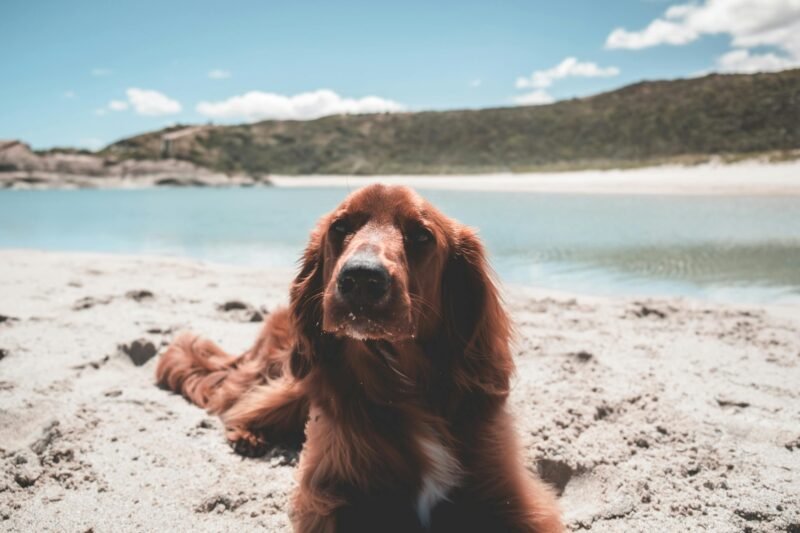
- Coat: Short, dense, and close to the body. Colors range from deep red to fawn or brindle.
- Head: Long and slightly domed with a strong muzzle and broad black nose.
- Ears: Long, pendulous ears that help capture scent.
- Body: Strong back, deep chest, muscular legs, and well-angulated hindquarters.
- Tail: Set high, tapering, and carried level or slightly above the back.
The overall appearance is balanced, powerful, and agile—never bulky. The Bavarian Mountain Hound’s build reflects its original purpose: long days of tracking across mountainous terrain.
Temperament and Personality
The breed’s temperament is steady, loyal, and deeply bonded to its family. Notable traits include:
- Loyal and affectionate: Forms strong attachments and prefers staying close to its people.
- Calm indoors: Quiet and relaxed at home once properly exercised.
- Alert and vocal: Will bark or bay to signal unusual activity—important for hunters but worth considering for apartment dwellers.
- Sensitive: Responds best to gentle, positive training; harsh correction can lead to stubbornness or stress.
- Highly focused: Once on a scent, this dog becomes intensely determined, requiring strong recall training and secure fencing.
With adequate exercise and mental stimulation, the Bavarian Mountain Hound makes a loving, devoted companion. Without it, boredom can lead to unwanted behaviors.
Training and Exercise Needs
Though calm indoors, this breed is athletic by nature and requires consistent activity to thrive.
Daily Exercise: Aim for at least an hour per day—brisk walks, hiking, jogging, or tracking-style games. Scent-work is especially fulfilling.
Basic Training: Start young with socialization and positive reinforcement. Focus on recall, loose-leash walking, and impulse control, as scent distractions can be strong.
Advanced Enrichment: Tracking, search and rescue, and agility provide excellent outlets for energy and instinct.
Mental Stimulation: Rotate puzzle toys, snuffle mats, and scent-based games to prevent boredom.
Grooming and Health
Grooming for this breed is simple. A weekly brushing with a rubber curry brush removes loose hair, and baths are only needed when particularly dirty.
Routine care should include:
- Regular ear cleaning (their long ears can trap moisture).
- Nail trimming as needed.
- Dental care, such as brushing or dental chews.
The Bavarian Mountain Hound is generally healthy with a 10–14 year lifespan, but owners should watch for:
- Hip dysplasia — maintain a healthy weight and choose reputable breeders.
- Ear infections — common due to ear shape; keep ears dry and clean.
- Bloat (gastric torsion) — avoid vigorous activity after meals; feed smaller, more frequent meals.
- Obesity — ensure proper exercise and controlled feeding, as calm indoor behavior can mask slow weight gain.
Is the Bavarian Mountain Hound Right for You?
This breed thrives in homes that:
- Enjoy frequent outdoor activities like hiking or trail running.
- Prefer a calm, affectionate indoor companion.
- Can commit to consistent training and mental enrichment.
- Have secure fencing or always leash outdoors.
- Don’t mind occasional barking or baying.
If your lifestyle is sedentary or you live in a small apartment with limited outdoor access, this breed may be challenging. But for active families or individuals looking for a loyal, intelligent working dog, the Bavarian Mountain Hound is a rewarding match.
Conclusion
The Bavarian Mountain Hound may not be as well-known as other German breeds, but it offers remarkable loyalty, endurance, and intelligence. Bred for tracking in tough mountain environments, it transitions well to family life when given proper exercise, training, and affection.
For those seeking a medium-sized companion with a strong work ethic and a gentle home demeanor, the Bavarian Mountain Hound can be an extraordinary addition to the household.