
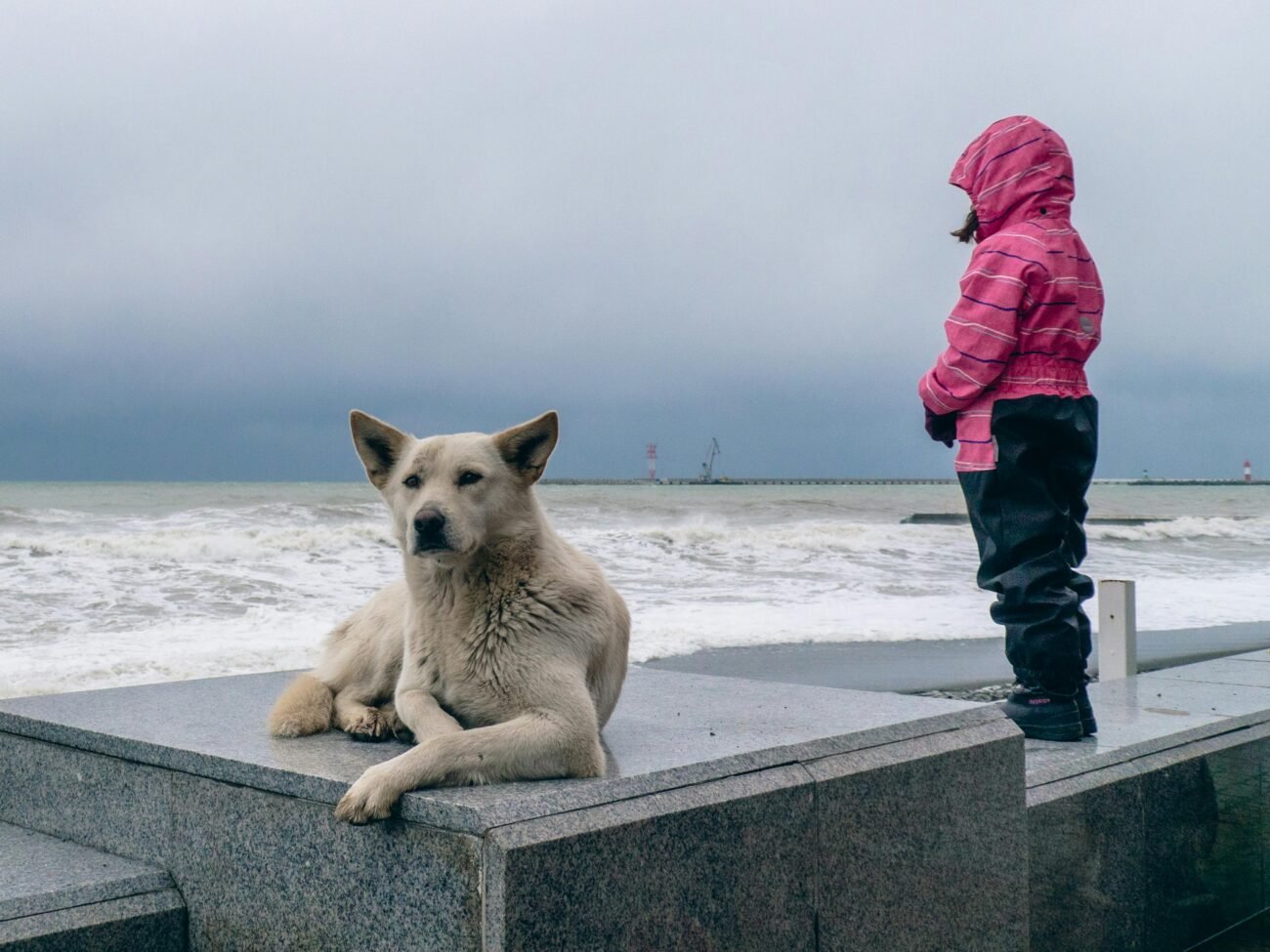
For centuries, humans have believed animals possess a mysterious ability to sense disasters before they happen. Stories of dogs pacing before earthquakes or whining ahead of thunderstorms have fueled the idea that dogs have a “sixth sense.” While the truth is less mystical, it’s no less impressive. Dogs don’t predict disasters in a supernatural way—but their powerful senses allow them to detect subtle environmental changes long before humans notice them.
Dogs have extraordinary hearing, smell, and sensitivity to environmental shifts. They can hear frequencies far below the human range, including distant thunder and low seismic vibrations. They also sense changes in barometric pressure, static electricity, and chemical shifts in the air. Together, these abilities explain why dogs may react to storms or unusual events hours before we do.
What Science Says About Dogs and Natural Disasters
Scientific research has observed unusual animal behavior before major natural events, but no study has proven that dogs can reliably predict disasters. After the 2011 earthquake in Japan, surveys showed that some dogs displayed anxiety or restlessness beforehand. Interestingly, dogs with hearing impairments were less likely to show these behaviors, suggesting sound detection plays a role. However, reactions were inconsistent, and many dogs showed no changes at all.
Other studies have examined dogs’ responses to simulated thunder and barometric pressure changes. Many dogs exhibited stress behaviors such as panting, pacing, or hiding. While dogs often react earlier than humans, researchers conclude these responses are driven by sensory detection—not foresight. Dogs are reacting to physical cues, not anticipating future events.
How Dogs Sense Approaching Storms
- Low-frequency hearing: Dogs can hear infrasonic sounds produced by distant thunder or seismic activity long before humans detect them.
- Barometric pressure changes: Storms and hurricanes cause sudden drops in air pressure, which many dogs are sensitive to.
- Chemical scent changes: Lightning and rain alter the air’s chemistry, increasing ozone and earthy smells that dogs detect easily.
- Static electricity: Thunderstorms create static buildup that may cause discomfort or mild shocks, prompting dogs to seek shelter.
These sensory inputs can make dogs restless or anxious because they sense something changing but don’t understand what it means.
Behavioral Signs Your Dog May Show
Dogs respond differently to environmental changes. Some remain calm, while others show clear distress. Common signs include:
- Pacing or restlessness
- Whining, barking, or howling
- Hiding under furniture or in enclosed spaces
- Trembling, shaking, or excessive panting
- Clinginess or refusal to eat or play
Recognizing these behaviors early allows you to support your dog before anxiety escalates into destructive or dangerous behavior.
Helping Your Dog Cope With Storm Anxiety
Even without predicting disasters, dogs often react to early warning signs. You can reduce stress by preparing in advance.
Create a Safe Space
Set up a quiet, interior area away from windows. A covered crate, closet, or bathroom with familiar bedding can help buffer noise and flashing light.
Use Desensitization
Gradually expose your dog to storm sounds at low volumes while rewarding calm behavior. Over time, this builds positive associations and resilience.
Try Calming Tools
Anxiety wraps, pheromone diffusers, and veterinarian-approved calming supplements may help reduce fear responses in sensitive dogs.
Stick to a Routine
Predictable schedules help dogs feel secure. Remain calm during storms—your dog will take emotional cues from you.
Prepare for Emergencies
Have a pet emergency kit ready with food, water, medications, records, and identification. Practice evacuation routines and ensure microchip details are current.
Myths and Misconceptions
The belief that dogs can reliably predict earthquakes or tsunamis is largely anecdotal. Videos and stories are compelling but cannot be replicated in controlled studies. Dogs respond to environmental cues—not supernatural intuition.
It’s also a myth that storm anxiety reflects weakness or poor training. Noise phobia has genetic and developmental roots, and dogs cannot control their physiological stress response. Punishment only worsens fear.
Respecting Your Dog’s Sensitivity
Dogs don’t need a sixth sense to amaze us. Their heightened awareness allows them to notice subtle environmental changes that humans miss. When your dog reacts to an approaching storm, they’re responding to real sensory information.
By understanding how dogs perceive weather and environmental changes, you can respond with empathy rather than frustration. Offer safety, structure, and reassurance—and when thunder rolls or the ground shakes, your calm presence becomes their greatest source of security.



Youre so cool! I dont suppose Ive learn something like this before. So good to seek out anyone with some original ideas on this subject. realy thank you for starting this up. this website is something that’s needed on the web, someone with slightly originality. helpful job for bringing one thing new to the web!