
Cane Corso: History and Origins
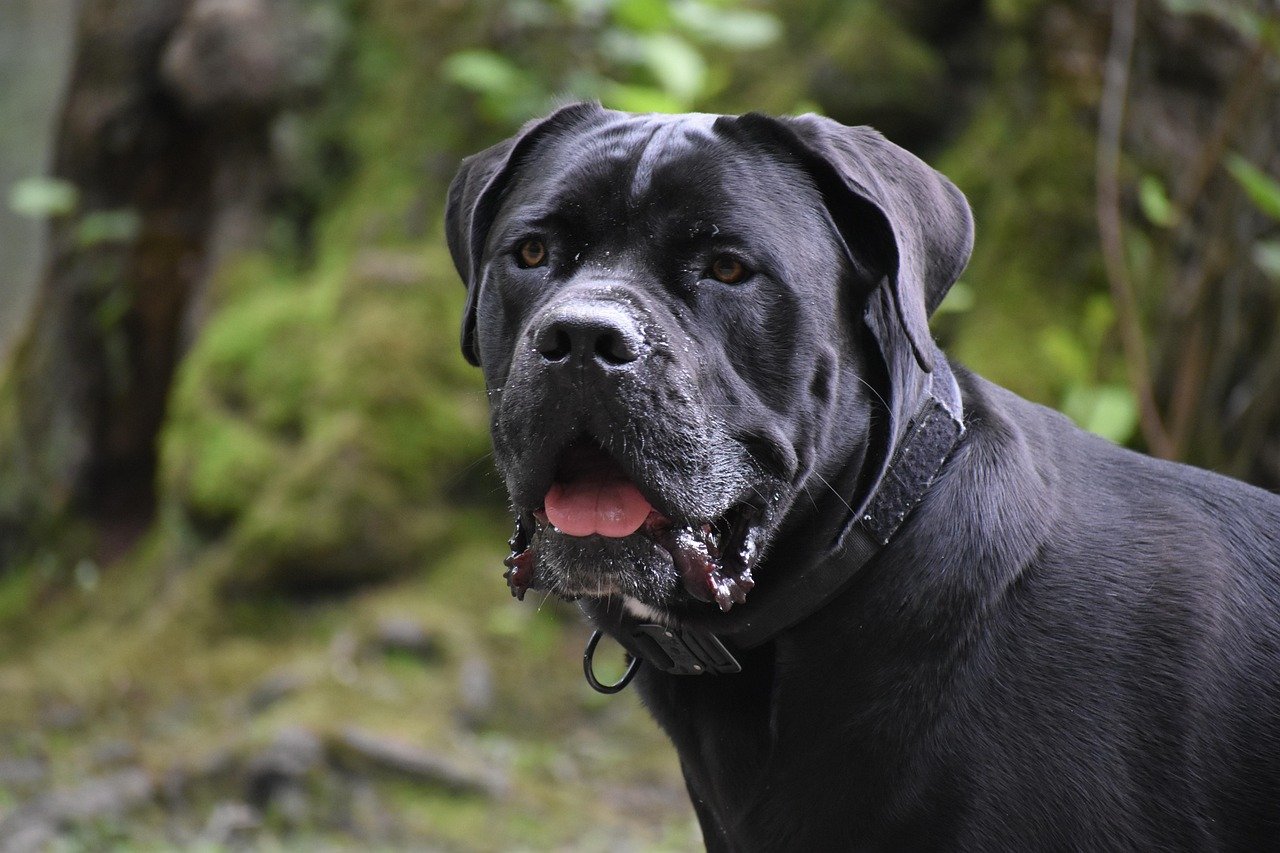
The Cane Corso is a large and powerful working breed that traces its roots to ancient Italy. According to breed historians, Corsos descend from the canis pugnaces, Mastiff‑type dogs that accompanied Roman legions and guarded farms and property. After the fall of the Roman Empire, these dogs continued to work as versatile farm guardians and boar hunters in rural Italy. Their numbers dwindled in the mid‑20th century when mechanized farming reduced their roles, but enthusiasts revived the breed in the 1970s and 1980s. Today’s Cane Corso maintains the same noble look as its ancestors: a broad head with a strong muzzle, thick neck and muscular body covered in a short, dense coat. Colors include black, grey, fawn and brindle.
Physical Characteristics
This Molosser breed is impressive in both size and strength. Mature Corsos stand between 23.5‑27.5 inches tall at the shoulder and weigh roughly 80‑120 pounds. The body is slightly longer than tall, giving the dog an athletic, rectangular silhouette. Their head is large and blocky with a pronounced stop and wide jaw. Ears may be natural or cropped; the tail is generally docked. Their short coat requires minimal grooming and sheds moderately year round.
- Coat & Colors: The coat is short and stiff; common colors include black, grey, fawn, red and various brindles.
- Lifespan: Average life expectancy is 9–11 years.
- Eyes & Expression: Almond‑shaped eyes convey an alert and watchful expression.
Temperament and Behavior
Although imposing, the Cane Corso is not inherently aggressive. Breed experts describe the temperament as loyal, intelligent and eager to please. These dogs bond closely with their families and instinctively protect household members. Early and ongoing socialization is crucial to teach appropriate behavior around strangers and other animals. Without proper training, their natural wariness and prey drive can lead to over‑guarding or chasing small pets. Consistent positive‑reinforcement training builds confidence and gives the dog a job, which keeps them mentally engaged and well behaved. Because of their size, new owners should enroll in obedience classes and learn how to handle a powerful working dog.
Energy & Exercise Needs
Corsos have high energy and require daily exercise. A few brisk walks and off‑leash play in a secure yard will not only burn energy but also reinforce the bond between dog and owner. Mental stimulation is equally important; interactive toys, obedience drills and scent work prevent boredom and destructive behaviors. Without adequate activity, a Cane Corso may become restless and potentially develop nuisance behaviors such as chewing or digging.
Family Life
When well trained and socialized, Cane Corsos make excellent companions. They are affectionate and gentle with children, though supervision is necessary due to their size and strength. The breed can coexist peacefully with other dogs when raised together; however, same‑sex aggression may occur, so proper introductions are essential. As natural watchdogs, Corsos will bark to alert their family to strangers approaching the home.
Training and Socialization
Early training is critical for this powerful breed. Positive reinforcement methods—such as treats, praise and toys—are most effective. Harsh corrections or punishment can create fear and undermine trust. Begin by teaching basic commands like sit, down, stay and come. Socialize the puppy with various people, animals, sounds and environments to ensure it becomes a confident adult. Regularly exposing your Cane Corso to new experiences helps prevent reactivity or fearfulness.
Common Health Considerations
Like many large breeds, the Cane Corso is susceptible to certain health conditions. Responsible breeders screen for hip and elbow dysplasia, cardiac issues and eye diseases. Maintaining a healthy weight, providing quality nutrition and scheduling regular veterinary exams will promote longevity. Because Corsos grow rapidly as puppies, avoid strenuous exercise and monitor nutrition to prevent orthopedic problems.
Care and Grooming
Thanks to their short coat, Cane Corsos are relatively low maintenance. Weekly brushing removes loose hair and keeps the coat healthy. Bathing is only necessary every few months or when the dog becomes dirty. Trim nails regularly, inspect ears for dirt or redness and brush teeth several times per week. Provide a balanced diet appropriate for large‑breed dogs, and consult your veterinarian about proper portions.
Living with a Cane Corso: Daily Life & Home Environment
Owning a Cane Corso is a lifestyle commitment. Their size alone means they need room to stretch out and move around comfortably. While apartments aren’t out of the question, an ideal home includes a fenced yard where the dog can run and play. Inside, Corsos are surprisingly calm once their exercise needs are met. They enjoy lounging near family members and will often position themselves in a spot where they can keep watch over the household. Because they are sensitive to family dynamics, they thrive in homes where routines are predictable. Children should be taught to respect the dog’s space, and interactions should be supervised to prevent accidental knocks or tail swats.
Pros and Cons of Owning a Cane Corso
Like any breed, the Cane Corso offers both rewards and challenges. On the plus side, owners appreciate the breed’s unwavering loyalty and natural guardian instincts. A well‑socialized Corso is gentle with family and can deter intruders simply by his presence. Their intelligence makes them highly trainable, and many excel in obedience, protection sports and even therapy work. On the downside, they require significant time for training, socialization and exercise. Their large size leads to higher costs for food, veterinary care and space requirements. Novice dog owners may find the breed’s strength and protective nature overwhelming. Honest self‑assessment is crucial before bringing a Corso home.
Finding a Responsible Breeder or Rescue
If you decide a Cane Corso is right for you, take time to find a responsible source. Reputable breeders health‑test their dogs for hip and elbow dysplasia, cardiac conditions and eye diseases, and they socialize puppies from birth. Ask to meet the parents and observe their temperament. Rescue organizations also occasionally have Corsos and Corso mixes in need of homes. Be prepared to commit to ongoing training and provide a structured environment. Avoid purchasing from backyard breeders or pet stores, which often produce poorly socialized puppies with health problems.
Is a Cane Corso Right for You?
Potential owners should consider the Cane Corso’s substantial size, protective nature and high energy. These dogs thrive with experienced handlers who are confident, consistent and willing to invest time in training. They do best in homes with fenced yards and enough space to stretch out. For the right family, a Cane Corso is a loyal guardian and devoted companion.


I like what you guys are up too. Such smart work and reporting! Carry on the excellent works guys I have incorporated you guys to my blogroll. I think it’ll improve the value of my site :).
Thank you!!