
Dogs don’t see the world the way we do. Learn how canine vision works, what colors dogs can actually see, why they excel in low light, and how to protect and enrich your dog’s eyesight.

Dogs don’t see the world the way we do. Learn how canine vision works, what colors dogs can actually see, why they excel in low light, and how to protect and enrich your dog’s eyesight.
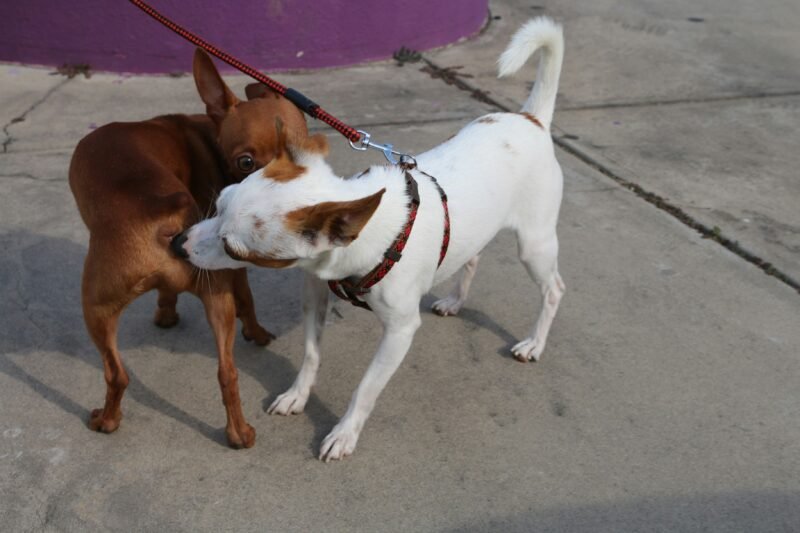
Dogs sniff each other’s rear ends as a natural way to gather information about identity, health, mood, and social status. What looks awkward to humans is actually a sophisticated form of canine communication.
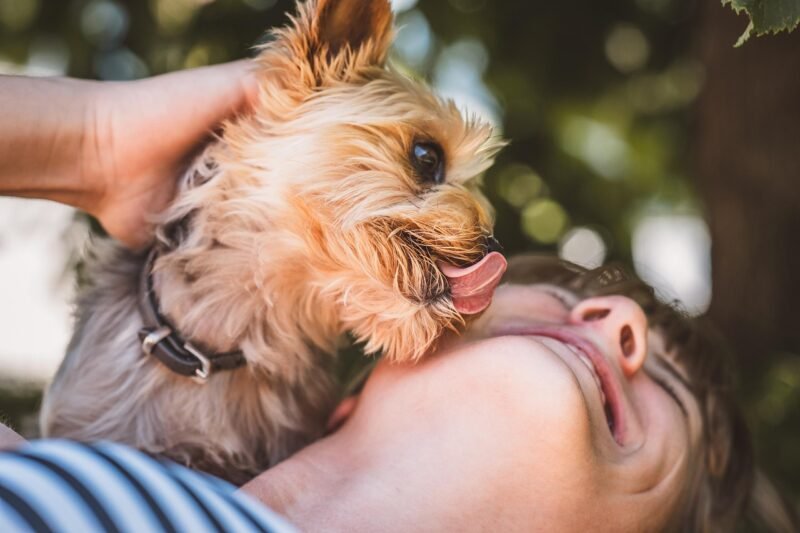
Dog licking isn’t just affection—it’s communication, comfort, and exploration. Learn why dogs lick, what it means, and when licking may signal stress or health issues.

Dogs don’t predict earthquakes or storms—but their powerful senses allow them to detect environmental changes long before humans. Learn how dogs sense weather shifts and how to support anxious pups.

Dog whining can signal anything from boredom and anxiety to pain or unmet needs. Learn why dogs whine, how to read the context, and how to respond calmly and effectively.

Learn how to distinguish between boredom and stress in dogs and discover creative enrichment ideas to keep your canine happy and calm.

Chewing is a natural dog behavior, but it can become destructive without guidance. Learn why dogs chew, how to identify the cause, and practical ways to redirect chewing into healthy, appropriate outlets.

Dogs dig for many natural reasons like instinct, boredom, temperature control, and anxiety. Learn what drives digging and practical ways to reduce it while giving your dog healthy outlets.

A dog’s prey drive is natural, but unmanaged instincts can lead to unsafe chasing and stress. Learn what prey drive really is, which breeds have it strongest, and how to channel it through safe activities, training, and Predation Substitute Training to keep your dog fulfilled and under control.

Resource guarding, or possessive aggression, occurs when dogs defend valued items like food or toys. This guide explains why dogs guard, the signs to watch for, and positive training strategies to prevent and manage the behavior humanely.