Often associated with their striking spots and storied history as firehouse companions, the Dalmatian is one of the most recognizable dogs in the world. Yet there is much more to this breed than their distinctive coat. This guide takes a comprehensive look at the Dalmatian’s origins, personality, care requirements and what prospective owners should know before bringing one of these athletic dogs into their homes.
History and Origins
The exact origins of the Dalmatian are somewhat clouded, with depictions of spotted dogs appearing in artwork and written records across several continents. The breed as we know it today likely developed in the Dalmatia region of what is now Croatia, hence its name. Over centuries, Dalmatians served as sentry dogs, draft dogs and even traveling performers. Their affinity with horses led to roles as carriage guardians and, later, iconic firehouse companions. Fire engines were once drawn by horses, and Dalmatians would run alongside the teams, clearing the way and safeguarding the horses from passersby and other animals. This legacy still endears Dalmatians to firefighters and families alike.
Physical Characteristics
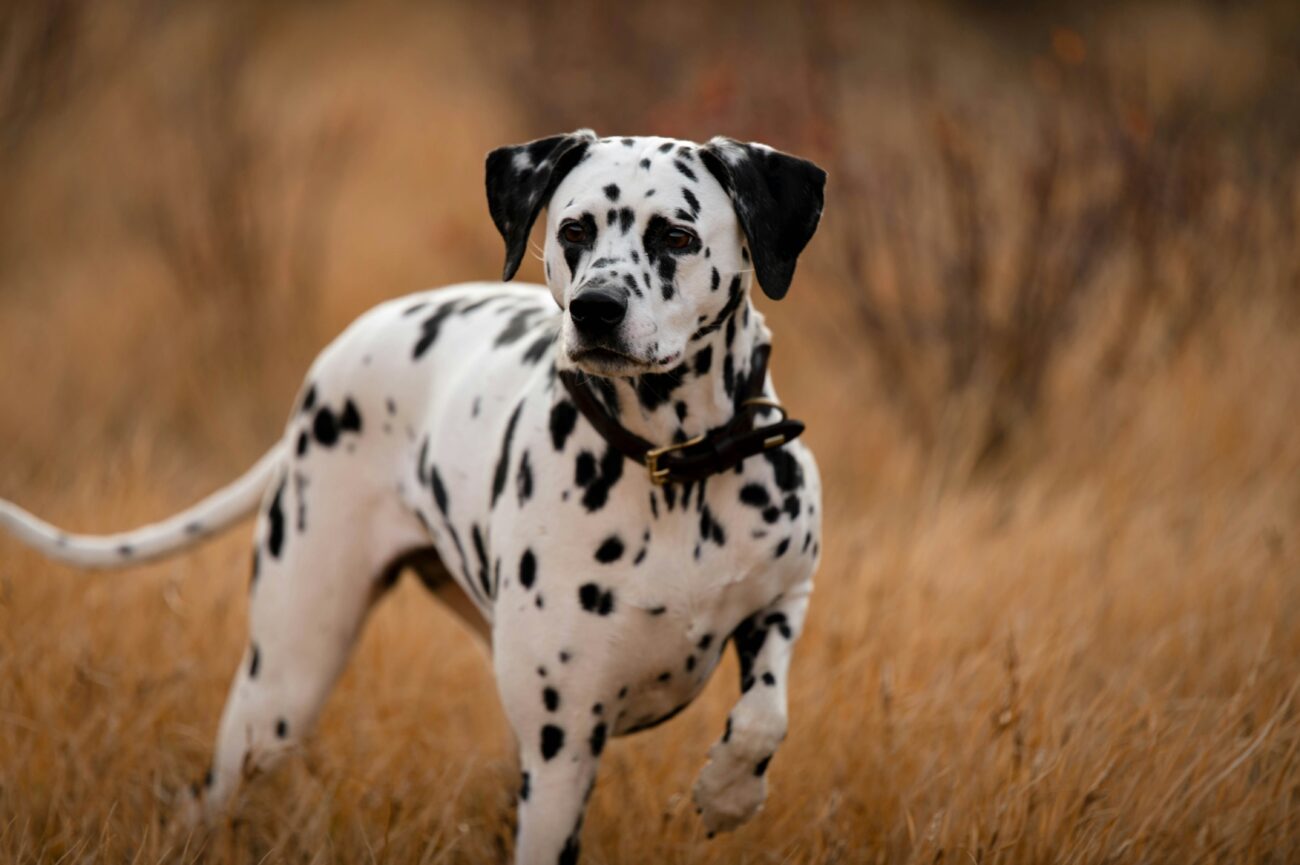
Dalmatians are medium-sized, well-muscled dogs known for their short coat covered in spots. Puppies are born pure white; their black or liver-colored spots emerge after a few weeks. These spots vary in size and distribution but should be round and well-defined. Adults typically weigh between 45 and 70 pounds and stand around 19 to 24 inches at the shoulder. Their lean bodies, deep chests and slightly arched necks reveal their athletic heritage. Beyond their coat, Dalmatians have expressive dark eyes, drop ears and tails that taper toward the tip. When moving at a trot, they exhibit a smooth, ground-covering gait that hints at their endurance.
- Size: 45–70 pounds; 19–24 inches tall
- Coat: Short, dense and spotted; low odor but frequent shedding
- Colors: White base with black or liver spots
- Life expectancy: Around 11–13 years
- Energy level: High; bred for endurance and speed
Temperament and Personality
Energetic and intelligent, Dalmatians thrive when both their minds and bodies are engaged. They form strong bonds with their families and often develop a particular attachment to one person. While affectionate, the breed can also be reserved with strangers, making early socialization vital. Dalmatians have a playful streak and a sense of humor; they enjoy games, puzzle toys and activities that challenge them. Without sufficient physical exercise and mental stimulation, they can become bored, which may lead to destructive behaviors or excessive barking. Though loyal, some Dalmatians can be stubborn or independent thinkers, so consistent positive training methods are essential.
Training Tips
Because they are intelligent and energetic, Dalmatians benefit from structured, reward-based training programs. Early socialization is important—exposing puppies to different people, pets, environments and sounds helps prevent timidity or aggression later in life. Dalmatians are sensitive dogs and respond best to positive reinforcement such as treats, praise and play. Harsh corrections can damage their trust and may lead to fearfulness. Enrolling in puppy classes or obedience courses can help instill good manners and provide much-needed mental stimulation. In addition to basic commands like sit, stay and come, consider teaching advanced behaviors or participating in dog sports such as agility, flyball or scent work to keep them engaged.
Exercise Needs
Dalmatians were bred to run long distances alongside horse-drawn carriages, so it’s no surprise they have high exercise requirements. Aim for at least an hour of vigorous physical activity each day, whether through brisk walks, jogs, hikes, fetch sessions or interactive play. Providing a securely fenced yard gives them space to romp safely, but they still need structured outings for mental stimulation and socialization. Without adequate exercise, Dalmatians may become restless or develop undesirable behaviors like digging or chewing. If you have an active lifestyle, a Dalmatian can make an enthusiastic companion for runs, beach outings and other adventures.
Health Considerations
Overall, Dalmatians are hardy dogs, but they are predisposed to certain health issues. One of the most well-known is hereditary deafness; around 10–12 percent of Dalmatians are born deaf in one or both ears. Responsible breeders test puppies and breeding stock to reduce the risk. Urinary tract issues are another concern. Dalmatians metabolize purines differently than many other breeds, making them more prone to urinary stones. A balanced diet that limits high-purine ingredients (such as organ meats and certain fish) and ensures ample hydration is important. Skin allergies can occur, often manifesting as itching or hot spots. Regular veterinary check‑ups, vaccinations and parasite prevention keep your Dalmatian healthy and comfortable.
Grooming and Maintenance
Despite their short coats, Dalmatians shed consistently throughout the year. Weekly brushing with a rubber curry brush or grooming mitt helps remove dead hair and keeps their coat shiny. During seasonal shedding periods, more frequent brushing may be needed. Routine nail trims, ear checks and dental care are essential. Their nails should be kept short to prevent splitting or discomfort. Clean their ears regularly to avoid infections, especially if they spend time swimming. Brush teeth several times a week using canine-safe toothpaste to prevent tartar buildup and support overall health. Bathing should be done as needed, typically every few months or if they get particularly dirty.
Living With a Dalmatian
Dalmatians do best with active families who can devote time to their exercise and mental needs. They thrive in homes where they are part of daily activities rather than left alone for long periods. Because of their strong energy and boisterous play style, they may be too much for very young children unless carefully supervised. Dalmatians can coexist peacefully with other pets, but early socialization and introductions are key. They can adapt to apartment living if their exercise needs are fully met, though a home with a yard is ideal. Providing structured routines, clear boundaries and plenty of affection helps your Dalmatian feel secure and content.
Is the Dalmatian the Right Dog for You?
Choosing a dog breed is a long-term commitment. A Dalmatian’s striking appearance can be alluring, but prospective owners should consider whether they can meet the breed’s needs. If you enjoy daily activity, appreciate an intelligent companion and have time for consistent training, a Dalmatian can be a joyful addition to your family. Their loyalty, playful spirit and affectionate nature make them rewarding pets for the right households. However, if you lead a more sedentary lifestyle or work long hours away from home, a lower-energy breed may be more suitable. Research, patience and honest self-assessment are critical when deciding whether a Dalmatian is the perfect match.
Frequently Asked Questions
Are Dalmatians good with children?
When properly socialized and supervised, Dalmatians can be loving family dogs. They are generally tolerant of children but may be too energetic for toddlers. Teaching kids how to interact respectfully with dogs is as important as training the dog.
Do Dalmatians require special diets?
Because Dalmatians can be prone to urinary stones, many owners choose to feed diets lower in purines. Providing fresh water at all times and encouraging frequent bathroom breaks helps flush the urinary system. Consult your veterinarian before making significant dietary changes.
How long do Dalmatians live?
With proper care, Dalmatians typically live between 11 and 13 years. Regular veterinary visits, a balanced diet and ample exercise support a long, healthy life.
Are they suitable for first-time dog owners?
While not impossible, Dalmatians can be challenging for first-time owners due to their high energy and need for mental stimulation. Novice owners willing to invest in training and exercise may succeed, but those wanting a more laid-back companion should consider other breeds.