The Benefits of Engaging Your Dog’s Foraging Instincts
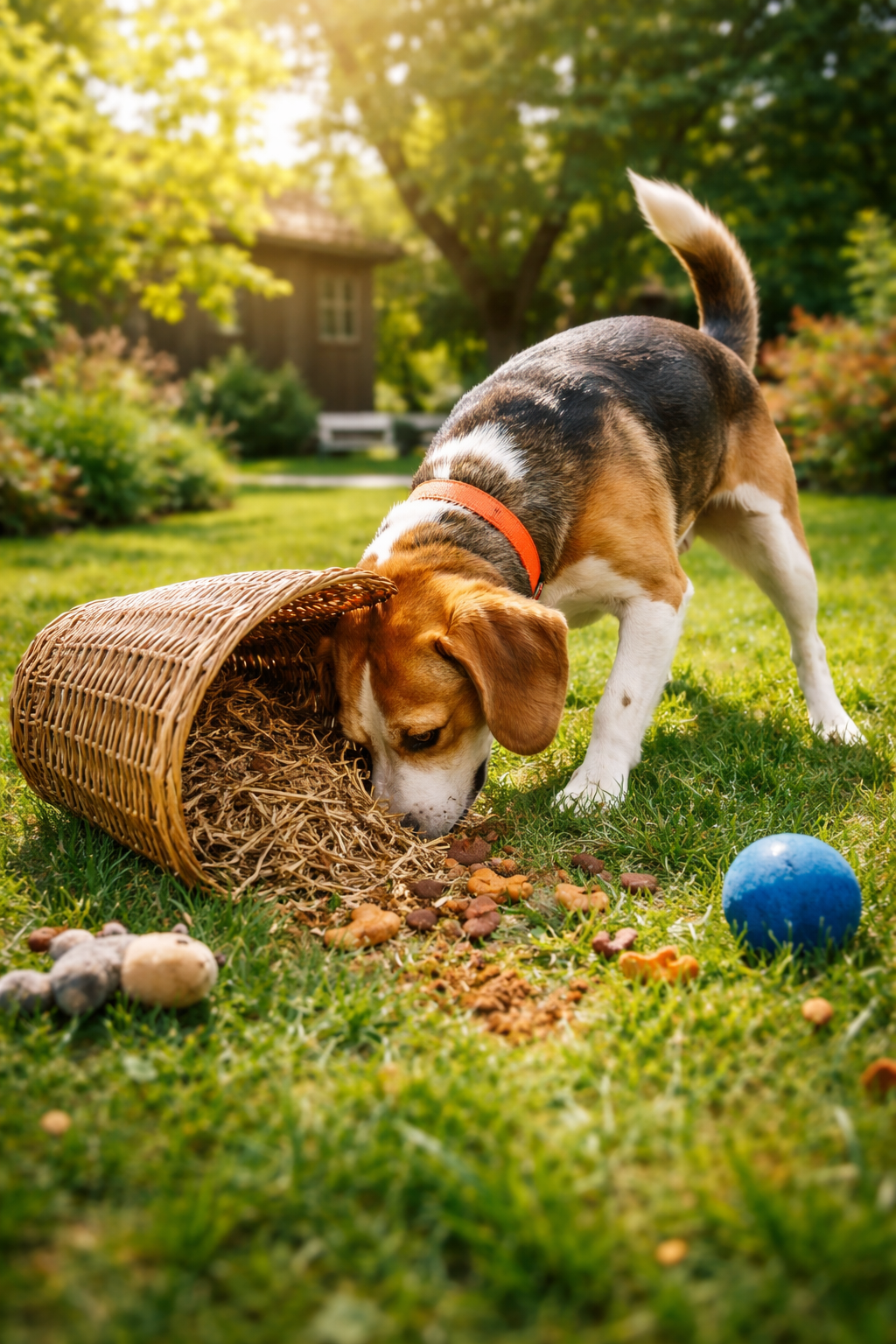
Watching your dog follow a scent trail, dig at a toy, or burrow its nose into the grass is more than simple play—it’s a glimpse into their natural instincts. Dogs descend from hunters and scavengers who relied on their sense of smell to find food. Even though modern dogs are well-fed, those instincts still remain.
When these natural behaviors aren’t fulfilled, dogs can become bored or destructive. Creating a DIY dog treasure hunt is a simple way to channel that energy into a fun, mentally stimulating activity.
Treasure hunts provide enrichment by encouraging problem-solving, engaging multiple senses, and keeping your dog active. They also strengthen your bond through positive interaction and can help reduce unwanted behaviors like excessive barking or chewing.
Gathering Materials for a Treasure Hunt
You don’t need expensive equipment to create a great treasure hunt. Most items can be found at home. Always consider your dog’s size, age, and chewing habits to ensure everything is safe.
- Treats or kibble: Use small, high-value treats or part of your dog’s regular meal.
- Containers and toys: Muffin tins, cardboard boxes, towels, or puzzle toys work well.
- Scent cues: Peanut butter, low-sodium broth, or dog-safe herbs can enhance the game.
- Safe space: Use a yard, balcony, or room free of hazards.
Designing the Treasure Hunt
Start simple and gradually increase difficulty. This keeps your dog engaged without causing frustration.
Step 1: Create a Trail
Place treats in a visible trail on the ground and encourage your dog to follow it. Use praise to reinforce the behavior.
Step 2: Hide Treats in Containers
Use muffin tins covered with toys or hide treats inside towels or boxes. Your dog will need to figure out how to access the reward.
Step 3: Add Scent Cues
Enhance the challenge by adding scent markers near hidden treats. This strengthens your dog’s scent-tracking skills.
Step 4: Change Locations
Move the game outdoors once your dog understands it. Hide treats under leaves, behind objects, or in the grass.
Adding Challenges and Variations
Keep things interesting by mixing up the rules and increasing difficulty.
- Timed hunts: See how quickly your dog completes the challenge.
- Themed hunts: Combine searching with commands like “fetch” or “drop.”
- Multi-room hunts: Hide treats across different areas to test memory.
- Obstacle courses: Add simple agility elements for extra physical exercise.
Safety Tips and Considerations
- Watch for frustration: Make the game easier if your dog seems stressed.
- Use safe materials: Avoid items that can splinter or be swallowed.
- Mind food sensitivities: Stick to treats your dog tolerates well.
- Stay involved: Supervise the activity to ensure safety.
Why DIY Over Store-Bought Games?
Store-bought puzzle toys are helpful, but DIY treasure hunts offer more flexibility. You can tailor difficulty, use household items, and involve family members in the activity.
They’re also cost-effective and easy to adjust as your dog improves, keeping the game engaging over time.
Conclusion
A DIY dog treasure hunt is a simple yet powerful way to enrich your dog’s life. It taps into natural instincts, provides mental stimulation, and strengthens your bond.
With a little creativity and planning, you can create endless variations that keep your dog happy, engaged, and mentally sharp.