Why Some Dogs Are Shy
Shyness in dogs isn’t a character flaw or something they simply “grow out of” on their own. It’s often rooted in past experiences, genetics and a lack of positive exposure to unfamiliar people, pets and environments during key developmental periods. Puppies have a critical socialization window that closes around 14–16 weeks; dogs who miss that opportunity may grow up wary of new things. Trauma, abuse or rough handling can make even a well‑bred puppy fearful. Some breeds also tend to be more reserved than others. Understanding where your dog is coming from helps you avoid forcing interactions that worsen their anxiety.
Recognizing the Signs of a Shy Dog
Shy dogs communicate their discomfort through their body language. Common signs include:
- Keeping their ears pinned back and tail tucked tightly between their legs.
- Cowering, freezing in place or trying to hide behind their person.
- Yawning, lip‑licking or excessive panting when nothing stressful is happening.
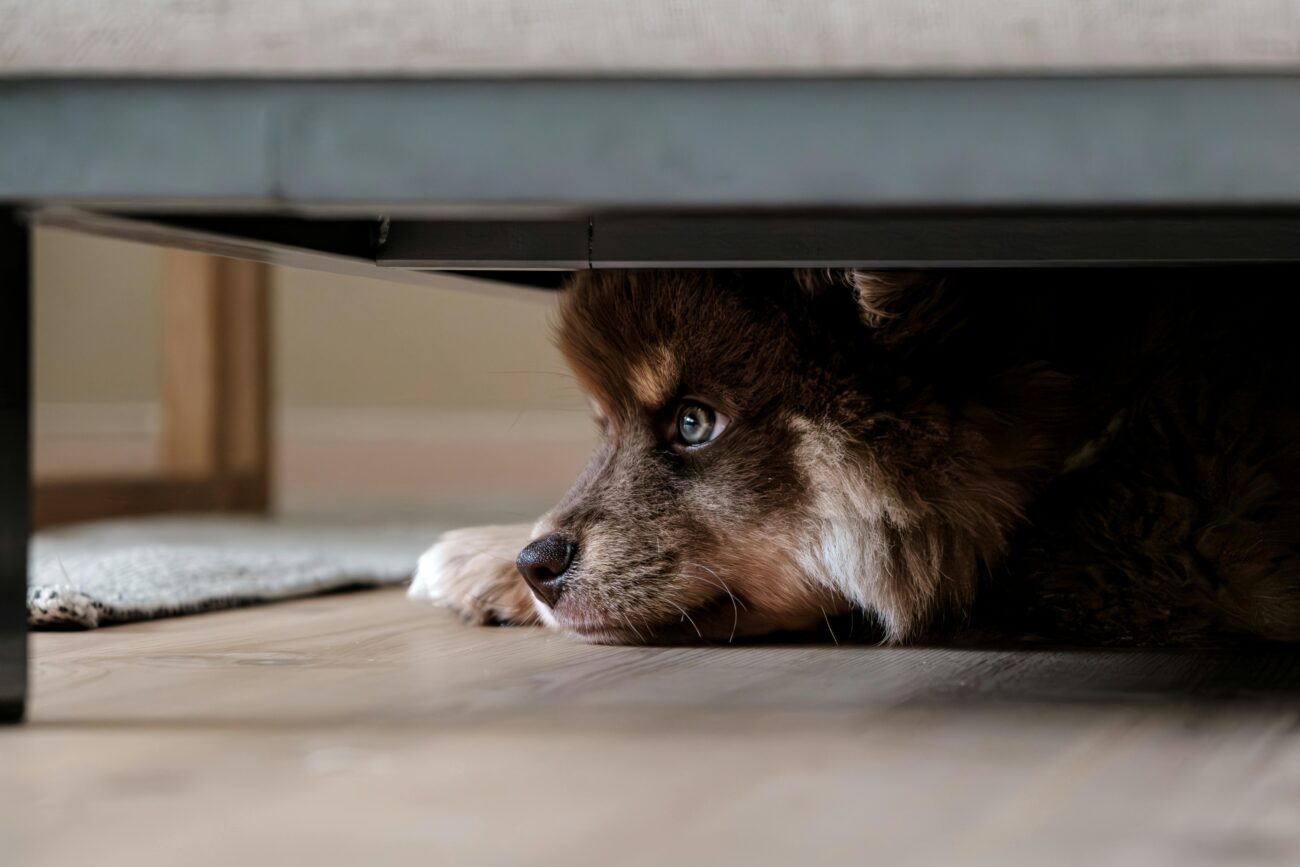
- Choosing to lie down rather than stand when approached, a classic submissive gesture.
- Backing away or running to a corner if someone tries to pet them.
These behaviors tell you your dog is overwhelmed and needs space. According to veterinary behaviorists, it’s best to let the dog set the pace of interactions. Forcing them into situations they find scary can reinforce the fear and delay progress.
Setting the Stage for Success
Before you begin introducing your shy dog to new people or pets, lay the groundwork to help them feel secure. Use a high‑value reward like tiny bits of chicken or cheese, and have them in a quiet room or garden where they feel comfortable. Your dog should wear a well‑fitted harness so you can gently guide them away if they panic without pulling on their neck. Make sure all training sessions happen when they’re rested, not hungry or overtired.
It also helps to teach some basic cues such as “sit,” “watch me” and “touch” (targeting your hand with their nose). A dog who knows how to respond to these cues can focus on you when something scary appears. Start practicing in low‑distraction environments and build up slowly.
Taking It One Step at a Time
Socializing a shy dog is a marathon, not a sprint. Here’s a step‑by‑step approach based on positive reinforcement techniques recommended by VCA hospitals and other experts:
1. Pair New Experiences with Good Things
Have a friend or family member sit quietly across the room with their body turned sideways to appear less intimidating. Allow your dog to approach only if they choose to. Each time they glance toward the person or take a step forward, calmly toss a treat near them. The goal is to create an association that people predict delicious rewards. The ASPCA points out that scattering treats on the ground also encourages shy dogs to investigate on their own.
Keep sessions short — five minutes at first — and end on a positive note. If your dog seems more relaxed in the next session, you can gradually decrease the distance between them and the new person. Always let the dog decide when to initiate contact. Avoid reaching out to pet them until they are eagerly soliciting attention.
2. Use Desensitization and Counterconditioning
Desensitization means exposing your dog to a trigger at such a low intensity that it doesn’t provoke a fearful response. Counterconditioning involves changing their emotional reaction by pairing the trigger with something they love. For example, if your dog is afraid of men wearing hats, start with a man holding a hat in his lap at a distance where the dog is comfortable. Each time the dog looks at the man, feed a treat. Slowly, over days or weeks, progress to the man putting the hat on, always rewarding calm behavior. The idea is that the presence of the hat becomes the cue for treats rather than fear.
3. Increase Complexity Gradually
Once your dog is comfortable meeting one person in your home, begin practicing outside or in a quiet park. Continue to reward glances and calm approaches. You can add gentle distractions like a person walking past or a friendly dog at a distance. It’s helpful to enlist a circle of patient friends who understand they may not pet your dog at first. With each success, slightly raise the challenge while monitoring your dog’s body language.
4. Practice One‑on‑One Playdates
Meeting multiple dogs at once can be overwhelming. Arrange controlled playdates with a single calm, well‑socialized dog. Start in a neutral area with plenty of space. Keep both dogs on leash and walk them parallel at a distance, gradually moving closer as they relax. If they show interest, allow them to sniff briefly before praising and moving away. Over time, they may begin to play. Always supervise to prevent bullying or chasing that could frighten your shy pup.
5. Enroll in a Positive Training Class
Group classes can be a safe way to expose your dog to new dogs and people under professional guidance. Look for trainers who use reward‑based methods and keep class sizes small. In beginner classes, dogs work at stations separated by barriers so shy dogs have their own space. An experienced instructor can help you read your dog’s signals and offer strategies tailored to their needs. Avoid programs that rely on forced interactions or corrective tools, which can increase anxiety.
Common Mistakes to Avoid
Some well‑meaning owners accidentally set back their dog’s progress. Avoid these pitfalls:
- Rushing the process: If you try to speed through the steps, your dog may shut down. It’s better to stay at a stage where they are comfortable than push ahead too soon.
- Reassuring nervous behavior: Continually petting or talking in a high‑pitched voice when your dog is hiding can reinforce their fear. Instead, quietly reward brave moments and ignore fearful responses.
- Flooding: Exposing your dog to large crowds, dog parks or busy sidewalks before they’re ready can cause setbacks. Keep experiences manageable.
- Using punishment: Scolding or yanking on the leash when your dog barks or growls will increase fear. Positive methods build confidence and trust.
Helping Your Dog Thrive in the Long Term
Socialization isn’t a one‑time project. Continue to provide regular opportunities for your dog to practice meeting new people and exploring new environments. Go for short car rides to a quiet beach or a friend’s backyard. Vary your walking routes so they see different sights and smells. Invite gentle visitors over periodically. Each positive encounter adds to your dog’s bank of good experiences.
Be patient and celebrate small wins. Some dogs will always be a bit reserved, and that’s okay. The goal is not to turn a shy dog into a social butterfly but to help them feel safe and confident in daily life. With time, consistency and lots of tasty treats, your dog can learn that the world isn’t such a scary place.
Frequently Asked Questions
How long does it take to socialize a shy dog?
Every dog is different. Some may improve in a few weeks, while others take months to build confidence. Progress depends on their history, genetics and the consistency of the training program. Focus on steady, incremental improvement rather than deadlines.
Should I use medication to help my shy dog?
In severe cases, a veterinarian may prescribe anti‑anxiety medication or supplements to take the edge off. Medication doesn’t replace training but can make a dog more receptive to socialization efforts. Always consult your vet before starting any treatment.
Can a shy dog become aggressive?
Fearful dogs may growl or snap when they feel cornered. Proper socialization reduces the likelihood of fear‑based aggression. If your dog is showing concerning behavior, seek help from a certified behavior consultant or veterinary behaviorist.
By taking a compassionate approach and honoring your dog’s pace, you can help them blossom. Shy dogs have so much love to give once they learn to trust. Your patience and dedication will make all the difference in their world.