
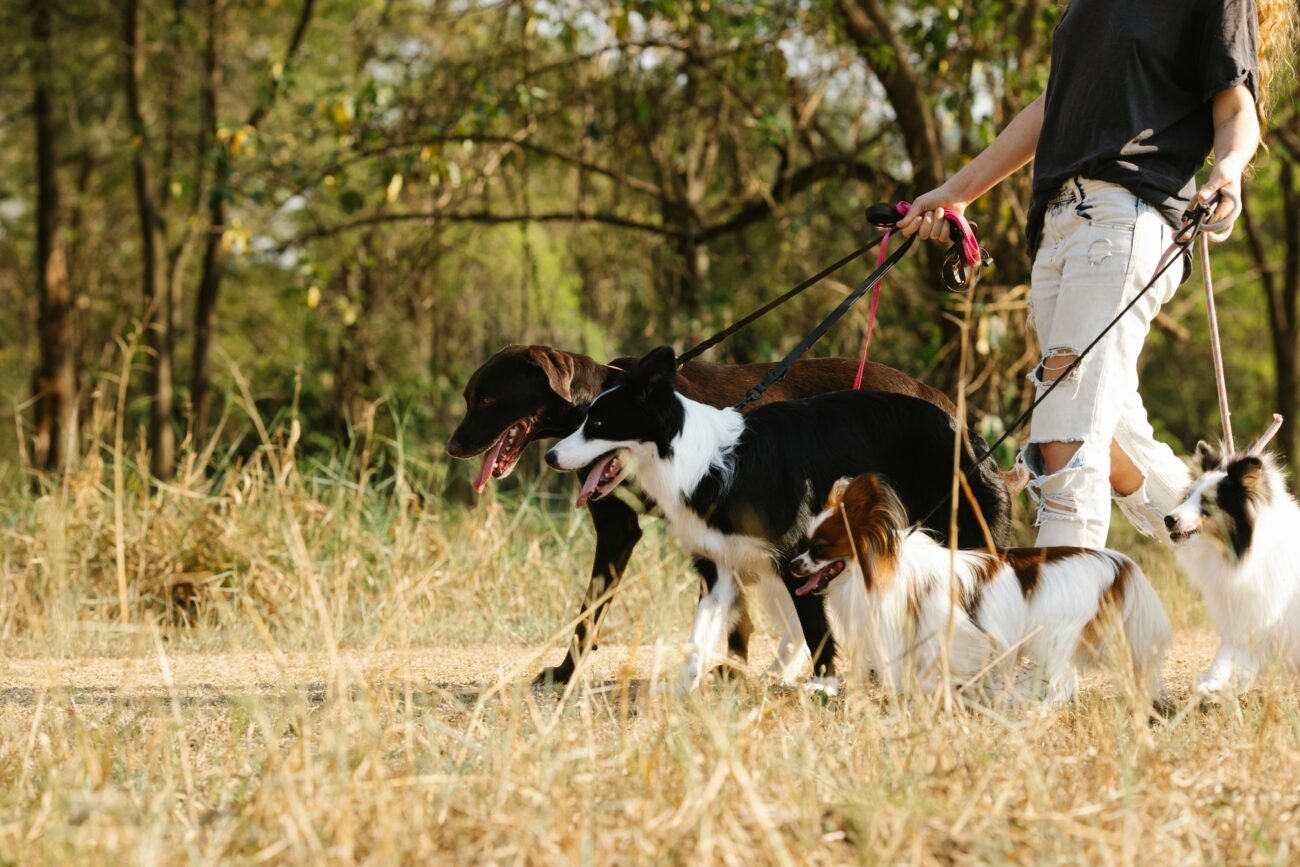
Walking your dog should be enjoyable and relaxing, but it can quickly turn frustrating when your dog pulls on the leash, zigzags in front of you, or lunges at distractions. Teaching your dog to heel—to walk calmly beside you on a loose leash—is one of the most valuable skills you can teach.
Heel training makes daily walks more pleasant, improves communication, and increases safety for both you and your dog. This guide explains why heel training matters, how to prepare, and a step-by-step plan to help your dog master this essential command.
Why Teaching Heel Matters
A dog that walks politely by your side is easier and safer to handle. Heel training offers benefits that go beyond stopping leash pulling:
- Improved safety: A heeling dog is less likely to dart into traffic or dangerous situations.
- Better communication: Heel work teaches your dog to focus on your movement and cues.
- Reduced stress: Calm walks are easier on your body and your dog’s joints.
- Foundation for advanced training: Heel is a core skill for obedience, rally, and agility work.
Preparing for Success: Tools and Mindset
Before training begins, make sure you’re set up for success. Avoid retractable leashes, which encourage pulling. Instead, use a standard six-foot leash and a well-fitted collar or harness.
Have high-value treats ready and, if you use one, a clicker to mark correct behavior. Most importantly, bring patience and consistency—positive reinforcement works best and takes time.
Essential Equipment
- Leash: A six-foot leash offers control without restricting movement.
- Collar or harness: Choose a safe, comfortable option; front-clip harnesses can help reduce pulling.
- Treat pouch: Easy access allows you to reward good behavior instantly.
- Clicker (optional): Useful for precisely marking correct positioning.
Step-by-Step Heel Training Plan
Consistency is key when teaching heel. Keep sessions short, upbeat, and focused. Follow these steps to build the behavior gradually:
1. Start Indoors Without Distractions
Begin in a quiet room where your dog feels comfortable. Stand with your dog on your left side and keep the leash loose. Hold a treat near your left thigh and lure your dog into position.
The moment your dog moves into place, mark the behavior with a “yes” or a click and reward.
2. Add the Verbal Cue
Once your dog reliably comes to your side using the lure, introduce the cue word “heel.” Say the cue just before luring your dog into position, then reward.
Repeat until your dog begins moving into heel position as soon as they hear the cue.
3. Take a Step Forward
With your dog in heel position, say “heel” and take one step forward. If your dog stays by your side, mark and reward.
Gradually increase the number of steps between rewards, keeping sessions short and positive.
4. Practice Turns and Stops
Teach your dog to follow your movement by practicing left turns, right turns, and sudden stops. Reward your dog for staying attentive and close.
If your dog forges ahead or lags behind, calmly guide them back into position and reward when they succeed.
5. Generalize to New Environments
Once heel is reliable indoors, practice in your yard or a quiet outdoor area. Slowly add distractions such as new sounds or passing dogs.
Increase difficulty gradually and reward frequently to keep your dog successful and engaged.
Troubleshooting Common Challenges
It’s normal to encounter bumps along the way. Here’s how to address common issues:
- Pulling ahead: Stop walking when your dog pulls. Resume only when the leash slackens or your dog returns to your side.
- Lagging behind: Encourage your dog with an upbeat voice or quickened pace, then reward when they catch up.
- Distractions: Increase distance from distractions and use higher-value rewards.
- Short attention span: Keep sessions brief—five minutes is often enough. Multiple short sessions work best.
Advanced Heel Work and Variations
Once your dog can heel comfortably on a loose leash, you can introduce more advanced skills. Off-leash heeling should only be practiced in secure, enclosed spaces.
You can also teach side switches, moving sits, and downs while heeling. Dog sports like obedience and rally provide structured ways to refine these skills.
Integrating Heel Into Everyday Life
Heel isn’t just a training exercise—it’s a practical tool for daily life. Use it in crowded areas, when crossing streets, or on narrow trails.
Asking your dog to heel before exiting doors or getting out of the car helps prevent rushing and reinforces calm behavior.
Keeping Training Positive and Fun
Heel training should strengthen your bond with your dog. Celebrate small wins and stay patient during setbacks.
Vary rewards to keep your dog motivated, and always end sessions on a positive note. With consistency, patience, and plenty of reinforcement, heel training can transform stressful walks into enjoyable shared experiences.
By following this step-by-step approach and adapting it to your dog’s pace, you’ll build trust, improve safety, and create calmer, more enjoyable walks together.



Greetings! Very helpful advice on this article! It is the little changes that make the biggest changes. Thanks a lot for sharing!