
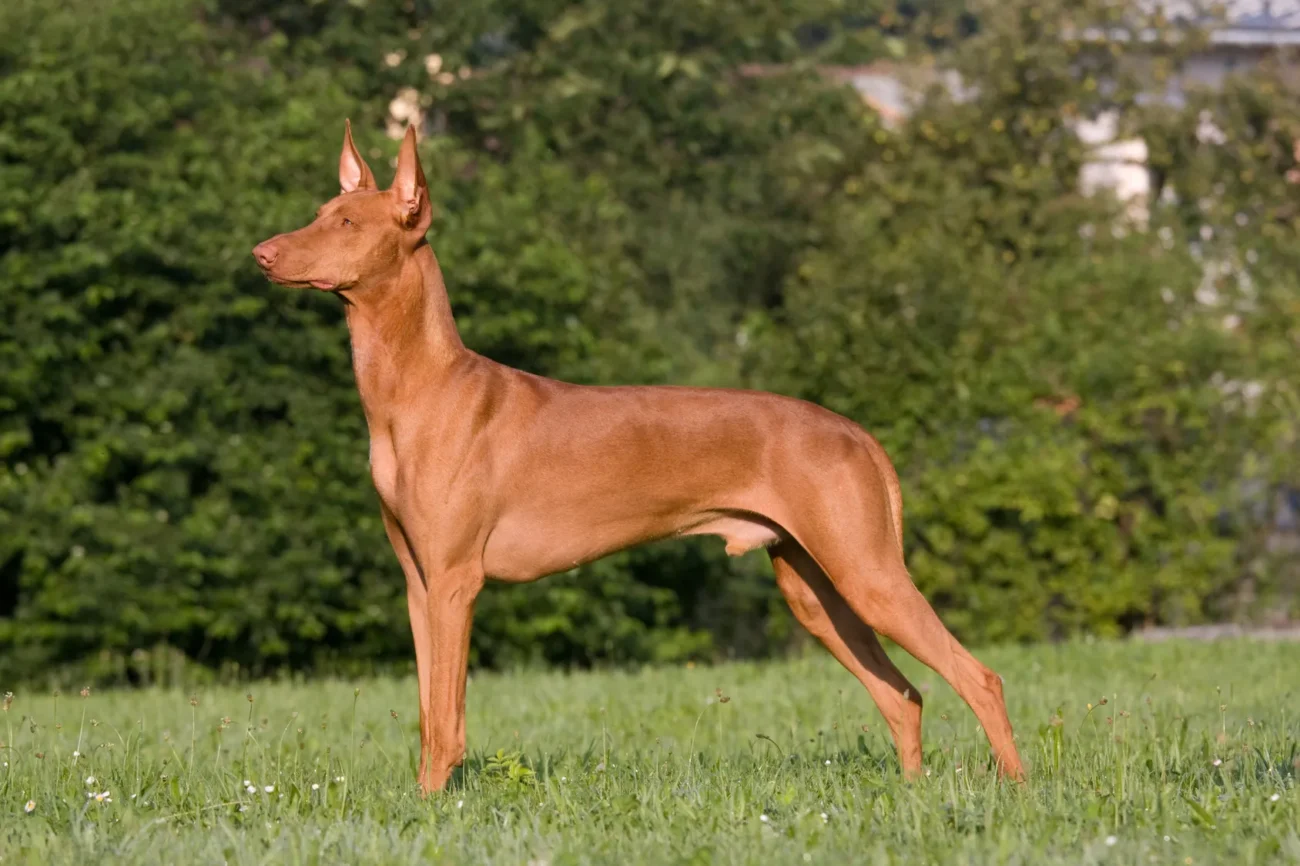
Introducing the Pharaoh Hound
The Pharaoh Hound is a graceful, athletic sighthound whose history stretches back thousands of years. Often associated with dogs depicted in ancient Egyptian art, this sleek, short-coated breed blends dignified beauty with playful energy. Though still rare outside its homeland, the Pharaoh Hound has earned a devoted following among dog lovers seeking an affectionate yet active companion.
History and Origins
Artwork from ancient Egypt shows slender, prick-eared dogs resembling today’s Pharaoh Hound, with images dating back to around 4400 BC. While these early depictions fuel the breed’s mystique, the modern Pharaoh Hound developed on the Mediterranean island of Malta.
On Malta, the breed was used to hunt rabbits across rocky terrain and became highly valued for its speed, sight, and endurance. Eventually named Malta’s national dog, the Pharaoh Hound was introduced to the United States in the 1960s and officially recognized by the American Kennel Club in 1983. Careful preservation has allowed the breed to retain its ancient appearance and hunting instincts while adapting well to modern family life.
Appearance and Physical Characteristics
The Pharaoh Hound is medium-sized but powerfully athletic in build. Males typically stand 23–25 inches tall, while females measure slightly smaller at 21–24 inches. Most weigh between 45 and 55 pounds.
The breed features a lean, muscular frame, deep chest, long legs, and a narrow, wedge-shaped head. Its short, glossy coat lies close to the body and appears in shades of tan, chestnut, or rich red, often accented by white markings on the chest, toes, or tail tip.
One of the breed’s most unique traits is its amber eyes and the ability of its ears and nose to “blush” pink when excited—an endearing characteristic found almost exclusively in Pharaoh Hounds.
Temperament and Personality
Pharaoh Hounds are affectionate, intelligent, and playful dogs that form close bonds with their families. They enjoy relaxing at home just as much as running at full speed outdoors. While loving and gentle indoors, they were bred to hunt independently and can be somewhat strong-willed.
Positive reinforcement and patience are essential when training this breed. Early socialization helps them feel comfortable around children, strangers, and other dogs. Due to their strong prey drive, they should always be exercised in secure, enclosed areas or kept on a leash.
Living Needs and Exercise
This breed is a true athlete and requires daily physical activity to stay balanced and content. Long walks alone are not enough—Pharaoh Hounds benefit from opportunities to run, sprint, and play in safely fenced areas.
Without sufficient exercise and mental stimulation, they may become bored or destructive. Indoors, however, they are calm and relaxed companions. Because of their lean bodies and thin coats, they are sensitive to cold and may need sweaters or coats in cooler weather.
Training Tips
Pharaoh Hounds are intelligent but independent thinkers. They respond best to training methods that use treats, praise, and play. Harsh corrections can damage trust and should be avoided.
Start training early, focusing on basic commands and recall. Because of their instinct to chase, reliable recall training in enclosed areas is especially important. Many Pharaoh Hounds excel in lure coursing, agility, and other canine sports that channel their natural instincts.
Grooming and General Care
The Pharaoh Hound’s coat is low-maintenance and easy to care for. Weekly brushing with a soft brush or grooming mitt helps remove loose hair. Shedding is light year-round, and baths are only needed occasionally.
Routine care should include regular nail trimming, ear checks, and dental hygiene. Due to their low body fat, Pharaoh Hounds are sensitive to extreme temperatures and should be protected from cold and excessive heat.
Health Considerations
Pharaoh Hounds are generally healthy dogs, but responsible breeders screen for certain conditions seen in the breed.
- Cataracts and other eye conditions
- Epilepsy
- Hypothyroidism
- Hip dysplasia
- Gastric dilatation-volvulus (bloat)
- Food or environmental allergies
Feeding smaller, frequent meals and avoiding intense activity around mealtime can help reduce the risk of bloat. Regular veterinary checkups and maintaining a healthy weight are essential for long-term wellbeing.
Diet and Nutrition
An active, muscular breed like the Pharaoh Hound thrives on a high-quality diet rich in lean protein. Choose food formulated for active dogs, and measure meals carefully to avoid excess weight.
Some owners supplement with fish oil, glucosamine, or bone broth to support joint and coat health. Introduce new foods gradually to prevent digestive upset.
Is the Pharaoh Hound Right for You?
The Pharaoh Hound is best suited for active households that can provide daily exercise, mental stimulation, and gentle, consistent training. Their strong prey drive makes them less ideal for homes with small pets, and they do best with access to secure outdoor space.
For those drawn to a rare breed with ancient roots, striking appearance, and a playful yet affectionate personality, the Pharaoh Hound can be a deeply rewarding companion.
Conclusion
The Pharaoh Hound is far more than a beautiful dog. With its ancient heritage, athletic ability, and loyal nature, this unique sighthound offers a special blend of history and companionship. By meeting the breed’s needs for exercise, training, and care, owners can enjoy a devoted and spirited family member for years to come.



It is the best time to make some plans for the future and it’s time to be happy. I have read this post and if I could I desire to suggest you some interesting things or tips. Perhaps you could write next articles referring to this article. I want to read even more things about it!