Introduction
Most dogs love food — maybe a little too much. Between those pleading puppy eyes and the extra treats we can’t resist, it’s easy to overfeed without realizing it. But maintaining a healthy weight is one of the simplest ways to extend your dog’s life and prevent chronic diseases. The goal isn’t to make your pup feel deprived — it’s to feed smart, not more. Here’s how to master portion control while keeping tails wagging at every meal. 🐾🥣
1. Why Portion Control Matters
Over 50% of dogs in the U.S. are overweight or obese, according to the Association for Pet Obesity Prevention. Extra weight increases the risk of arthritis, diabetes, heart disease, and even cancer. It also puts unnecessary strain on joints and reduces energy levels.
Pro Tip: Even an extra 10% of body weight can shorten a dog’s lifespan — so portion control is more than just looks; it’s about longevity and comfort.
2. Start With the Feeding Guidelines (Then Adjust)
Dog food labels include feeding charts, but they’re general estimates — not exact science. They assume average activity levels, which vary widely between breeds and lifestyles. Start with the recommended portion, then observe your dog’s body condition and energy over 2–3 weeks.
- 📦 Use the chart as a baseline, not a rulebook.
- ⚖️ Weigh your dog’s food with a kitchen scale — measuring by cups can be inconsistent.
- 🕐 Split meals into two feedings to keep metabolism stable and prevent overeating.
3. Know Your Dog’s Calorie Needs
Calorie requirements depend on age, size, breed, and activity level. As a general guide:
- 🐶 Small breeds (under 20 lbs): 300–500 calories/day
- 🐕 Medium breeds (20–50 lbs): 700–1,200 calories/day
- 🐩 Large breeds (50–90 lbs): 1,200–2,000 calories/day
- 🐾 Puppies or working dogs: up to double these amounts
Ask your vet for your dog’s ideal weight and calculate calories using the “Resting Energy Requirement” (RER) formula:
RER = 70 × (body weight in kg)^0.75 Then multiply by 1.4–1.8 depending on activity level.
4. Use the Body Condition Score (BCS)
Instead of obsessing over numbers, learn to read your dog’s body. The Body Condition Score (BCS) is a simple way to assess if your dog is underweight, overweight, or just right.
- 🦴 Too thin: Visible ribs, hips, or spine — little muscle mass.
- 🐕 Ideal: You can feel ribs easily but not see them; waist visible from above.
- 🍩 Overweight: No visible waist; ribs hard to feel under fat layer.
Pro Tip: Reassess your dog’s BCS every month and adjust portions as needed.
5. The Hidden Calories in Treats
Treats are a major source of accidental overfeeding. Limit treats to no more than 10% of your dog’s total daily calories. Swap high-calorie snacks for low-calorie options like:
- 🥕 Carrot sticks
- 🍏 Apple slices (no seeds)
- 🍗 Small bits of boiled chicken
- 🫐 Blueberries or cucumber rounds
Pro Tip: Use part of your dog’s kibble as training treats to avoid adding extra calories.
6. Don’t Free Feed (Unless Medically Advised)
Leaving food out all day — known as “free feeding” — often leads to overeating and obesity. Scheduled meals help you track intake, manage digestion, and build structure into your dog’s routine.
- ⏰ Feed 2–3 meals a day at consistent times.
- 🥣 Pick up any uneaten food after 20–30 minutes.
- 💧 Leave water available at all times, not food.
7. Adjust Portions With Lifestyle Changes
Your dog’s energy needs shift with seasons, age, and activity. A winter couch potato may need 10–15% fewer calories than a summer adventurer. Similarly, senior dogs burn fewer calories and may need smaller portions with more fiber.
Pro Tip: Track your dog’s activity and weight every month — small tweaks prevent long-term weight gain.
8. Slow Down Mealtime
Fast eaters often swallow air, risk bloat, and don’t realize they’re full. Encourage mindful eating with:
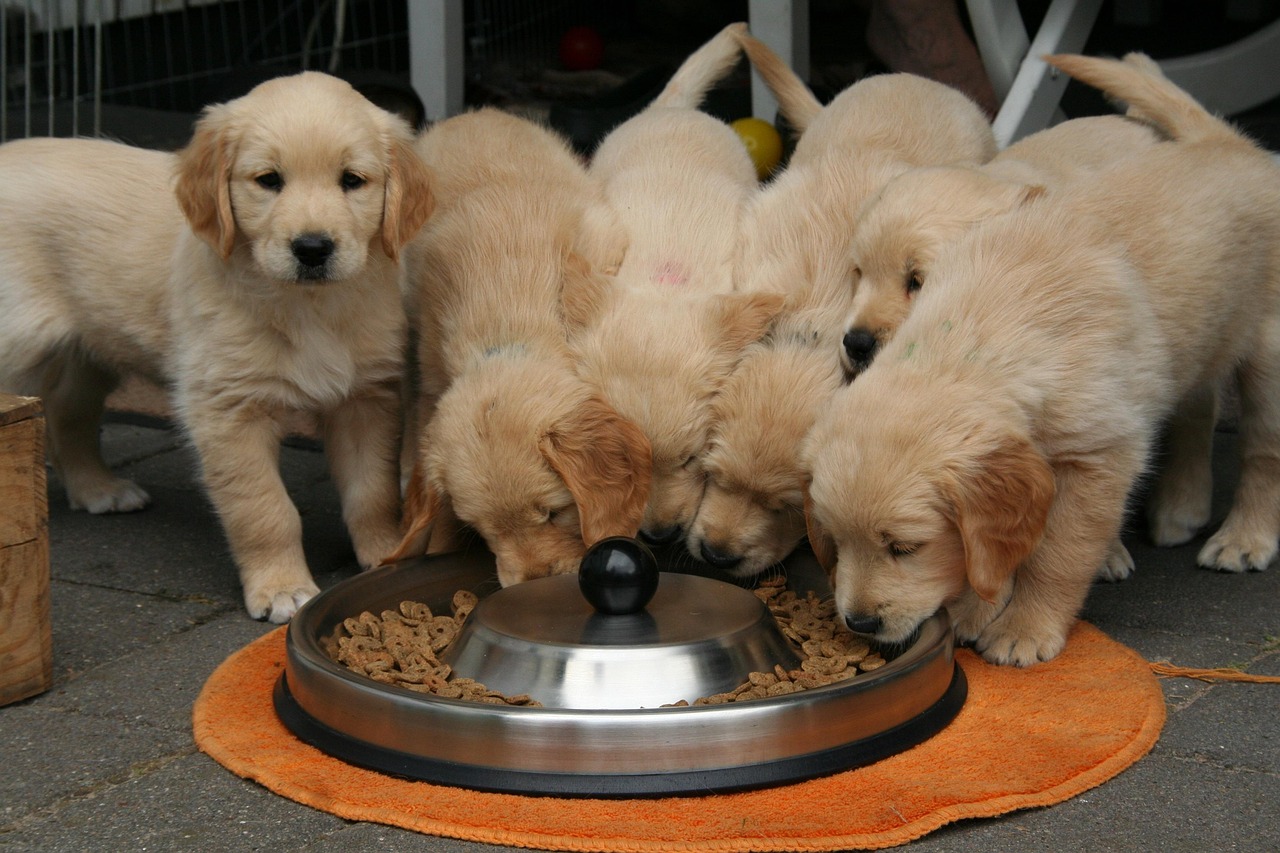
- 🐌 Slow-feeder bowls or puzzle feeders
- 🧩 Interactive toys that make them work for food
- 🥄 Multiple smaller meals for large or deep-chested breeds
Slowing down mealtime helps digestion and prevents overeating reflexes.
9. Monitor Weight and Make Small Adjustments
Weigh your dog monthly. Even a 1–2 lb change can indicate a need for adjustment. If your dog is gaining weight, reduce food by 10%. If losing too much, increase portions by the same percentage.
10. Keep Feeding Fun and Healthy
Portion control doesn’t have to mean restriction — it’s about balance. Use play, walks, and training as rewards instead of food. Make meals engaging with enrichment feeders or DIY frozen snacks made from low-calorie ingredients.
Conclusion
Feeding your dog the right amount is one of the kindest things you can do for their long-term health. With mindful portions, healthy treats, and consistent checks, you’ll help your pup maintain a perfect weight, strong body, and plenty of energy for years of adventures ahead. 🐾🥗


