
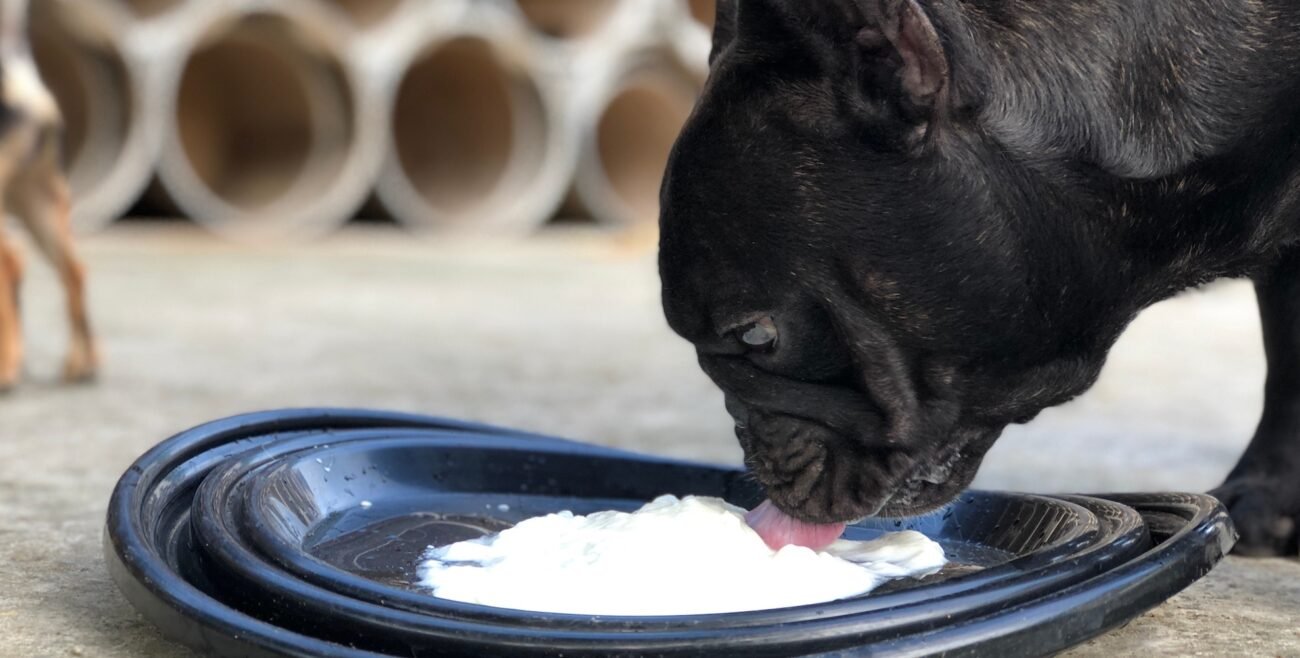
What Are Probiotics?
Probiotics are live microorganisms—beneficial bacteria and yeasts—that naturally inhabit a dog’s digestive tract. These “friendly” microbes aid digestion, help produce certain vitamins, crowd out harmful pathogens, and support immune regulation.
In healthy dogs, gut bacteria exist in a delicate balance. Stress, illness, antibiotics, sudden diet changes, or aging can disrupt this balance. Probiotic supplementation introduces beneficial microbes to help restore equilibrium and support overall health.
Benefits of Probiotics for Dogs
While probiotics are commonly associated with digestive health, their benefits extend well beyond the gut. Research and veterinary experience suggest probiotics may:
- Reduce diarrhea and digestive upset: Helpful for diarrhea caused by stress, illness, antibiotics, or food changes.
- Support immune function: A healthy gut microbiome strengthens immune defenses.
- Ease stress-related symptoms: Travel, boarding, moving, or vet visits can disrupt digestion; probiotics may help stabilize stools.
- Decrease gas and bad breath: Improved gut balance can reduce flatulence and support oral health.
- Improve skin and coat health: Emerging research links gut health with allergy modulation and skin integrity.
- Support senior dogs: Aging dogs often have less diverse gut flora; probiotics may improve nutrient absorption.
Probiotics are not a cure-all. Persistent digestive issues should always be evaluated by a veterinarian.
When to Give Your Dog Probiotics
Probiotics can be used proactively or short term. They are often helpful when a dog:
- Is taking antibiotics or long-term steroids
- Is experiencing stress from travel, boarding, or routine changes
- Has diarrhea, gas, bloating, or inconsistent stools
- Is recovering from illness, surgery, or gastrointestinal infections
- Is transitioning to a new diet
- Is a puppy prone to digestive upset
Healthy dogs with sensitive stomachs may also benefit from periodic probiotic use. Always introduce supplements gradually and monitor your dog’s response.
Forms of Probiotics
Probiotics are available in several formats, making administration easy:
- Yogurt or kefir: Plain, unsweetened products with live cultures (avoid artificial sweeteners).
- Powders: Easy to mix with food or broth.
- Capsules: Can be opened and sprinkled or given whole.
- Chews: Treat-like and convenient for picky eaters.
- Probiotic-enriched foods: May contain added probiotics, though potency can decline over time.
Common canine probiotic strains include Lactobacillus acidophilus, Enterococcus faecium, Bifidobacterium bifidum, and Streptococcus thermophilus. Choose products formulated specifically for dogs.
How to Choose the Right Probiotic Supplement
Not all probiotics are created equal. When selecting a product, consider the following:
- Veterinary guidance: Your vet can recommend appropriate strains and dosing.
- Species-appropriate strains: Look for bacteria proven beneficial for dogs.
- CFU count: Effective products typically contain billions of CFUs per dose.
- Stability: Follow storage instructions carefully, especially for refrigerated products.
- Third-party testing: Choose brands that verify purity and potency.
- Minimal additives: Avoid artificial colors, flavors, or sweeteners.
More is not always better. Start with recommended doses to avoid digestive upset.
Potential Side Effects and Precautions
Most dogs tolerate probiotics well. Mild side effects—such as gas or loose stools—may occur during initial use. Start with a lower dose and gradually increase.
Dogs with compromised immune systems, yeast overgrowth, or complex medical conditions should only use probiotics under veterinary supervision.
Integrating Probiotics Into Your Dog’s Routine
To ensure consistent intake, mix powders or capsules with wet food, broth, or plain yogurt. Chews can double as training rewards.
Administer probiotics at the same time daily. During periods of stress or antibiotic use, some dogs may benefit from twice-daily dosing—always follow veterinary advice.
Combining probiotics with prebiotics (fiber that feeds beneficial bacteria) can enhance results. Many products labeled as synbiotics include both.
Final Thoughts
Probiotics offer a safe, effective way to support digestion, immunity, and stress resilience in dogs. By understanding when to use them and how to choose high-quality supplements, you can make probiotics a valuable part of your dog’s wellness routine.
As always, partner with your veterinarian to tailor supplementation to your dog’s individual needs and enjoy the benefits of nurturing gut health from the inside out.


