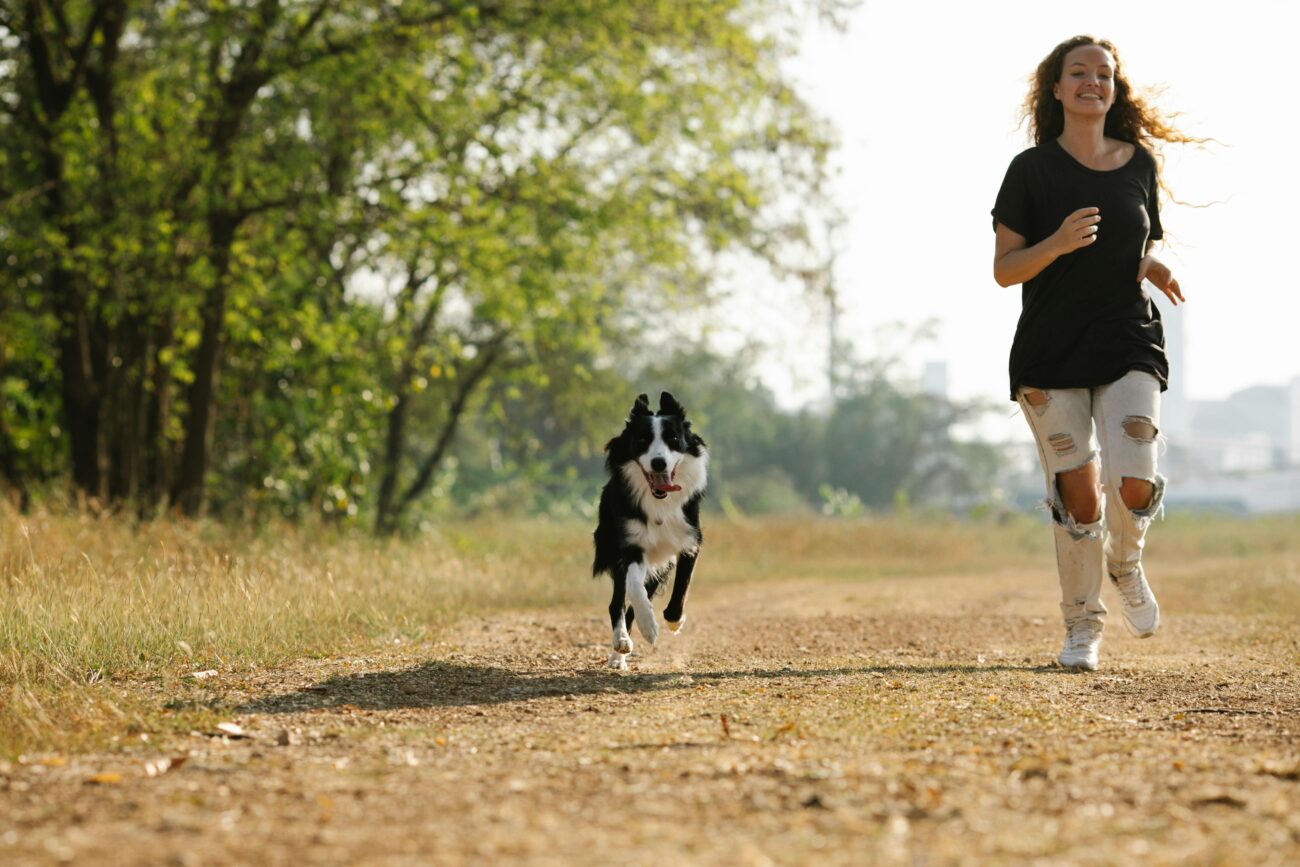
Few activities build a stronger bond than lacing up your shoes and hitting the trail with your four-legged friend. Running with your dog provides exercise, mental stimulation, and shared adventure — but it also requires thoughtful preparation.
Not every dog is suited for running, and factors such as age, breed, health, and weather all play a role. Follow these guidelines to ensure your canine companion stays happy and healthy on the run.
Is Your Dog a Good Running Partner?
Before you start training for a 5K, evaluate whether your dog is physically equipped for running. Puppies under a year old shouldn’t log miles because their bones are still developing. Likewise, brachycephalic breeds (such as Pugs and Bulldogs), very small dogs, or giant breeds may struggle with sustained running due to respiratory or joint issues.
Healthy adult dogs of medium to large size with an athletic build often make the best running partners.
Health Check
- Consult your vet: Schedule a physical exam to rule out heart, joint, or respiratory problems.
- Consider age: Wait until at least one year old for most breeds, and adjust mileage for senior dogs with arthritis.
- Watch for breed limitations: Short-snouted or short-legged dogs may prefer brisk walks over runs.
Preparing for the Run
Set your dog up for success by conditioning gradually and introducing equipment before your first outing.
Build Stamina Slowly
- Start with brisk walks, then add short jogging intervals.
- Increase distance and pace gradually to avoid injury.
- Allow rest days so muscles and paws can recover.
- Teach leash manners and cues like “heel,” “leave it,” and “slow.”
Gear Essentials
- Harness or collar: Use the same style as regular walks; many runners prefer harnesses to reduce neck strain.
- Leash: A hands-free waist leash offers stability, while traditional leashes with shock absorption work well too.
- Paw protection: Use paw balm or booties in extreme heat, cold, or icy conditions.
- Visibility gear: Reflective vests or lights improve safety during early morning or evening runs.
- Hydration supplies: Carry water and a collapsible bowl, and offer frequent drink breaks.
- Waste bags: Always clean up after your dog.
Weather and Surface Considerations
Dogs are more susceptible to heat than humans. Aim to run early in the morning or in the evening when temperatures are cooler. Avoid running in extreme heat or cold whenever possible.
Hot pavement can burn paw pads, so test the surface with your hand and choose grass, dirt trails, or shaded paths. In cold weather, use paw balm or booties to protect against ice and road salt. After each run, rinse paws to remove debris.
During the Run
- Warm up: Begin with a five-minute walk to loosen muscles and allow your dog to sniff and relieve themselves.
- Set a steady pace: Keep speeds moderate and let your dog trot comfortably beside you.
- Take water breaks: Offer small drinks every mile or whenever your dog seems thirsty.
- Monitor your dog: Watch for excessive panting, drooling, lagging behind, or limping, and stop if your dog appears distressed.
Post-Run Care
Cooling down and checking your dog after a run helps prevent soreness and injury.
- Cool down: Walk for several minutes to gradually lower heart rate.
- Paw and body check: Inspect paw pads for cuts and check the coat for burrs or ticks.
- Hydrate and refuel: Provide fresh water and wait at least 30 minutes before feeding to reduce the risk of bloat.
- First aid: Keep a basic first aid kit on hand for minor scrapes or abrasions.
Trail Etiquette and Safety
Be courteous to other trail users. Keep your dog under control, give others space, and dispose of waste properly. Not all dogs or people welcome greetings, so always ask before allowing interactions.
When to Skip a Run
Rest days matter. Skip running if your dog seems sore, is recovering from illness, or if weather conditions are unsafe. Some dogs prefer shorter outings or alternative activities like swimming or fetch.
With proper preparation, running can become a rewarding routine that keeps both you and your dog fit and happy. Start slow, pay attention to your dog’s signals, and enjoy exploring the world together one stride at a time.