Why Organization Matters When You Live with a Dog
Living with a dog brings immeasurable joy, but it also introduces an endless collection of toys, leashes, beds, food containers and grooming tools that can quickly overrun your space. Without thoughtful organization, pet gear can clutter every surface and leave you tripping over chew toys or hunting for leashes when it’s time for a walk.
An organized home isn’t just about aesthetics; it makes daily routines smoother, supports your dog’s comfort and protects your investment in supplies. Creating dedicated storage from the start helps your pup learn where to rest, where toys live and where to expect feeding time. It also prevents food spills, keeps treats away from pests and stores grooming tools safely out of curious paws. When everything has a place, your home stays tidy, your dog learns structure and you spend less time cleaning and more time enjoying life together.
Designate a Pet Command Station
The first step in taming canine clutter is to set up a central “command station” for all things dog. Choose a convenient area—such as a mudroom, hallway or entryway—and turn it into your pet hub.
Install hooks or a pegboard on the wall for hanging leashes, harnesses and coats. Add a low shelf, bench or cabinet beneath to store collars, poop bags, toys and grooming tools. Baskets and labeled bins keep items sorted and easy to grab: one for grooming supplies, another for fetch toys, another for training gear. By creating a permanent home base for your dog’s essentials near the door, you streamline your exit routine and minimize the chance of forgetting anything important.
Food and Treat Storage Solutions
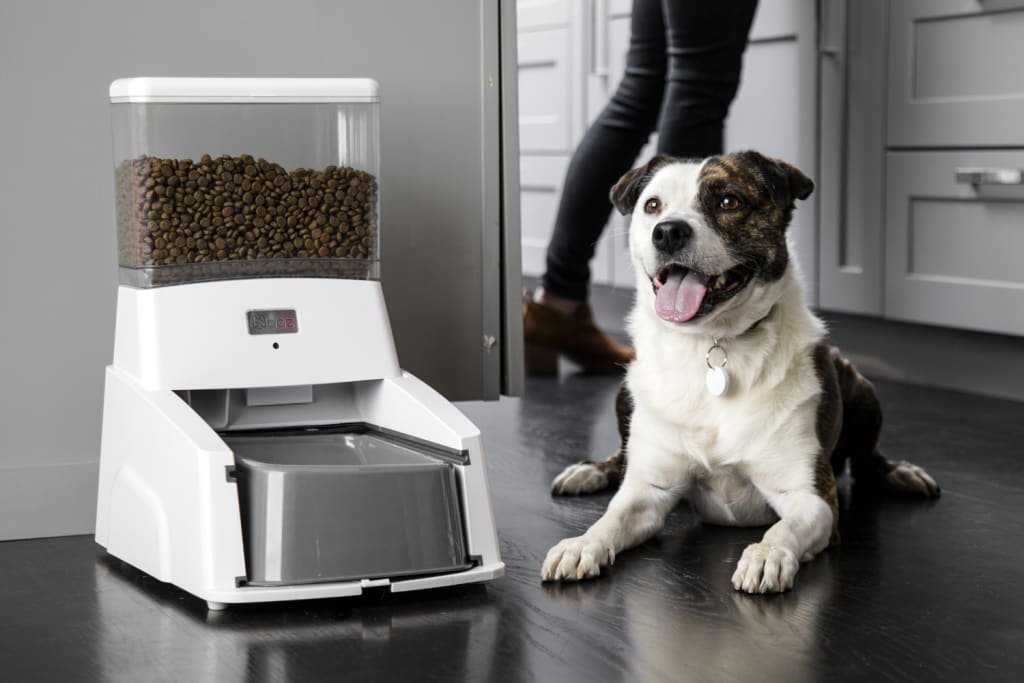
Feeding time happens every day, so efficient storage keeps things simple and clean. Use lower cabinets or a nearby pantry to house pull-out bins, drawers or airtight containers for kibble. Sealed containers help keep food fresh, block moisture and pests, and prevent lingering odors. Clear bins make it easy to see when it’s time to restock.
For treats, choose stackable glass jars or ceramic canisters with tight-fitting lids. Label each one so you can quickly distinguish between training treats, dental chews or special snacks. Place them near your command station so you can reward good behavior on your way in or out. If you bake homemade treats, decorative jars can double as kitchen accents. For travel, pre-portion dry food into resealable bags so feeding on the go is quick and mess-free.
Create a Dog-Walking Station
Heading out for walks becomes effortless when you have a dedicated walking station by the door. Add sturdy hooks for everyday leashes and harnesses, and keep a small basket or drawer nearby for poop bags, flashlights and reflective gear.
Use small pouches or containers for extra treats so you’re always prepared for training opportunities outside. A bench with a lift-up lid gives you a place to sit while putting on shoes and can store towels, wipes and spare gear underneath for rainy or muddy days. A low drawer or bin can hold collapsible travel bowls and a compact first aid kit for longer outings or hikes.
Bed and Toy Organization
Your dog’s bed should feel like a sanctuary, not a tripping hazard. Creating a dedicated nook or alcove gives your pup a cozy retreat and helps contain larger items. You can repurpose space under a staircase, tuck a bed beneath a console table or create a small corner zone with a low shelf above for storage.
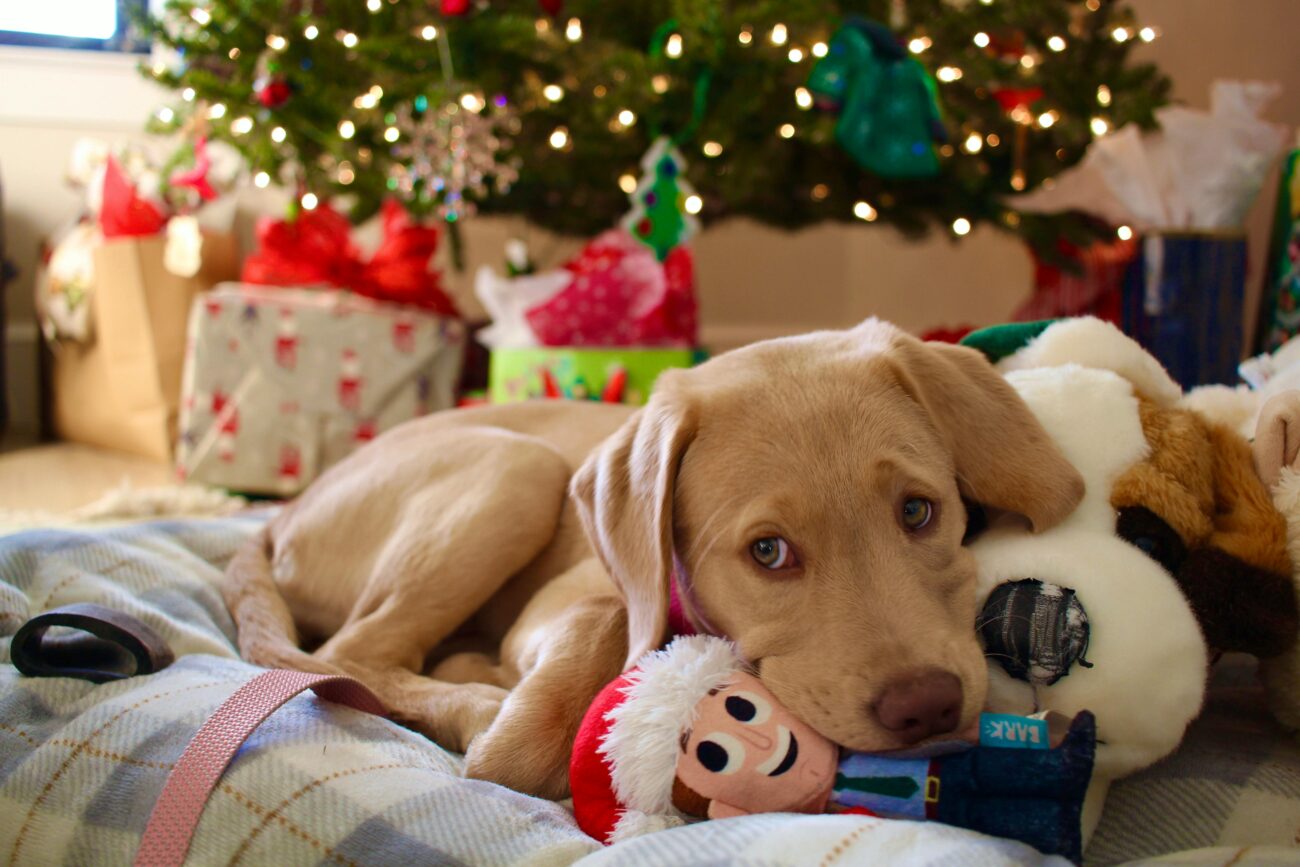
For toys, use open floor-level bins so your dog can easily grab favorites. To keep things manageable, divide toys into smaller containers by type—plush toys in one bin, ropes in another, puzzle toys in a third. Rotate toys weekly to keep your dog engaged and prevent the main bin from overflowing. At the end of the day, encourage your dog to bring toys back to the bin with a cue and a treat, turning cleanup into a fun game.
Grooming and Health Supplies
Grooming tools, medications and health supplies can quickly become scattered if they don’t have a dedicated home. Store grooming items in a portable caddy or tote that you can carry to the bathroom, kitchen or yard as needed. Separate brushes, combs, clippers and nail trimmers into compartments and keep shampoos and ear cleaners in a waterproof pouch.
Group dental items—chews, toothpaste and toothbrushes—together so they’re easy to find at brushing time. For medications and supplements, use a labeled container or small organizer with sections for monthly flea and tick treatments, heartworm pills and vitamins. Keep it on a high shelf or in a locked cabinet, away from curious noses. Posting a simple checklist on the inside of the cabinet door helps you track when each medication was last given.
Decluttering Tips for Dog Owners
Decluttering with a dog is all about prioritizing what you truly use. Start by sorting through your dog’s belongings and ask:
- Which toys are still safe and loved?
- Which items are broken, chewed beyond repair or ignored?
- Are any treats, medications or grooming products expired?
Donate gently used gear that’s still in good condition, toss damaged items and recycle where possible. Replace multiple half-used shampoos with one high-quality formula. Take a “capsule wardrobe” approach to collars, harnesses and jackets—choose a few versatile, durable pieces instead of a large collection.
In small spaces, look for multi-functional furniture: storage ottomans for toys and blankets, benches with built-in cubbies, or console tables with drawers for grooming tools. The goal isn’t to limit your dog’s comfort but to ensure every item has a purpose and a place.
Keep Your Home Stylish and Functional
Sharing your home with a dog doesn’t mean sacrificing style. Choose storage solutions that match your decor so everything looks intentional. Wicker baskets pair well with rustic or farmhouse interiors, while sleek metal or matte plastic bins suit modern spaces. Chalkboard labels or simple tags on baskets make it easy for everyone in the household to find and return items.
For feeding stations, select ceramic or stainless steel bowls that complement your kitchen’s color scheme and place them on an attractive, easy-to-clean mat. Group matching jars for treats, cotton pads and grooming essentials on a shelf or small cart. When built-ins aren’t an option, freestanding pieces like bar carts or rolling cabinets offer stylish, flexible storage that can move where you need it.
Maintenance and Training
Organization is an ongoing habit, not a one-time task—and your dog can be part of the system. Spend a few minutes each evening returning toys to bins, wiping down the feeding area and refilling treat jars if needed. Rotate toys regularly to keep your dog excited about what’s available and to reduce clutter on the floor.
Clean food containers and treat jars periodically to prevent stale smells and bacteria buildup. Wash beds and blankets on a schedule to keep your home fresh. Teach cues like “put it away” or “bedtime” and reward your dog for cooperating; turning tidy-up time into a fun routine strengthens your bond and reinforces structure.
Conclusion
Creating a harmonious home with a dog is completely possible with intentional storage and decluttering strategies. By establishing a command station, organizing food and walking gear, designing cozy resting spots and thoughtfully curating your dog’s belongings, you’ll reduce chaos and reclaim your space.
With a little creativity, consistent maintenance and help from your four-legged roommate, your home can be both stylish and dog-friendly—proof that wagging tails and a well-organized life really can go hand in hand.