Introduction
Playing fetch isn’t just a fun way to tire out an energetic dog—it’s also a powerful training tool that reinforces obedience and enhances your bond. A good game of fetch encourages your dog to focus, listen to your cues, and return willingly, all while providing essential physical exercise and mental stimulation. Whether you’ve just adopted a puppy or want to teach an older dog a new trick, fetch is a versatile activity suitable for almost any breed. However, not every dog instinctively knows how to retrieve and return an item, and some need more patience and guidance than others. In this comprehensive guide, you’ll learn how to select the right toy, train your dog step by step, troubleshoot common challenges and expand the game into advanced variations that keep things interesting.
Choosing the Right Toy
Before you begin training, choose a toy that appeals to your dog’s preferences. Some dogs love tennis balls, while others prefer frisbees, soft plush toys or rubber sticks. The toy should be easy for your dog to carry and durable enough to withstand enthusiastic chewing. If you have a small dog, select a smaller toy that fits comfortably in their mouth; large breeds can handle bigger items. Avoid toys that are too heavy or have sharp edges. High-visibility colors like neon orange or bright blue can help your dog track the toy in tall grass or on the beach. It’s also wise to have a few identical toys on hand; this can simplify training by giving you a backup if your dog doesn’t want to release the first toy.
Safety matters when selecting fetch toys. Steer clear of sticks, which can splinter and injure your dog’s mouth or throat. Similarly, tennis balls, while popular, can be abrasive on your dog’s teeth over time; consider purpose-made fetch balls that are softer yet resilient. For water-loving dogs, floating toys ensure you don’t lose them during lakeside games. Introducing the toy to your dog in a low-distraction environment and allowing them to sniff and explore it increases their interest and sets the stage for training success.
Step-by-Step Fetch Training
1. Build Interest in the Toy
The first step is to teach your dog that the fetch toy is valuable. Wave the toy excitedly, squeak it if it has a squeaker, and move it around to entice your dog. The moment they show interest—sniffing or trying to take the toy—praise them. You can play tug for a few seconds to make the toy even more exciting. If your dog isn’t motivated by toys, smear a small amount of peanut butter on the object or rub it with a treat to give it an appealing scent.
2. Encourage the Grab
Once your dog is focused on the toy, encourage them to take it in their mouth. Hold the toy out and use a cue like “take it.” As soon as your dog grabs the toy, mark the behavior with a clicker or a cheerful “yes!” and then let them have the toy or trade it for a treat. Practice this until your dog reliably takes the toy when prompted. This stage teaches your dog that interacting with the toy leads to rewards.
3. Teach the Return
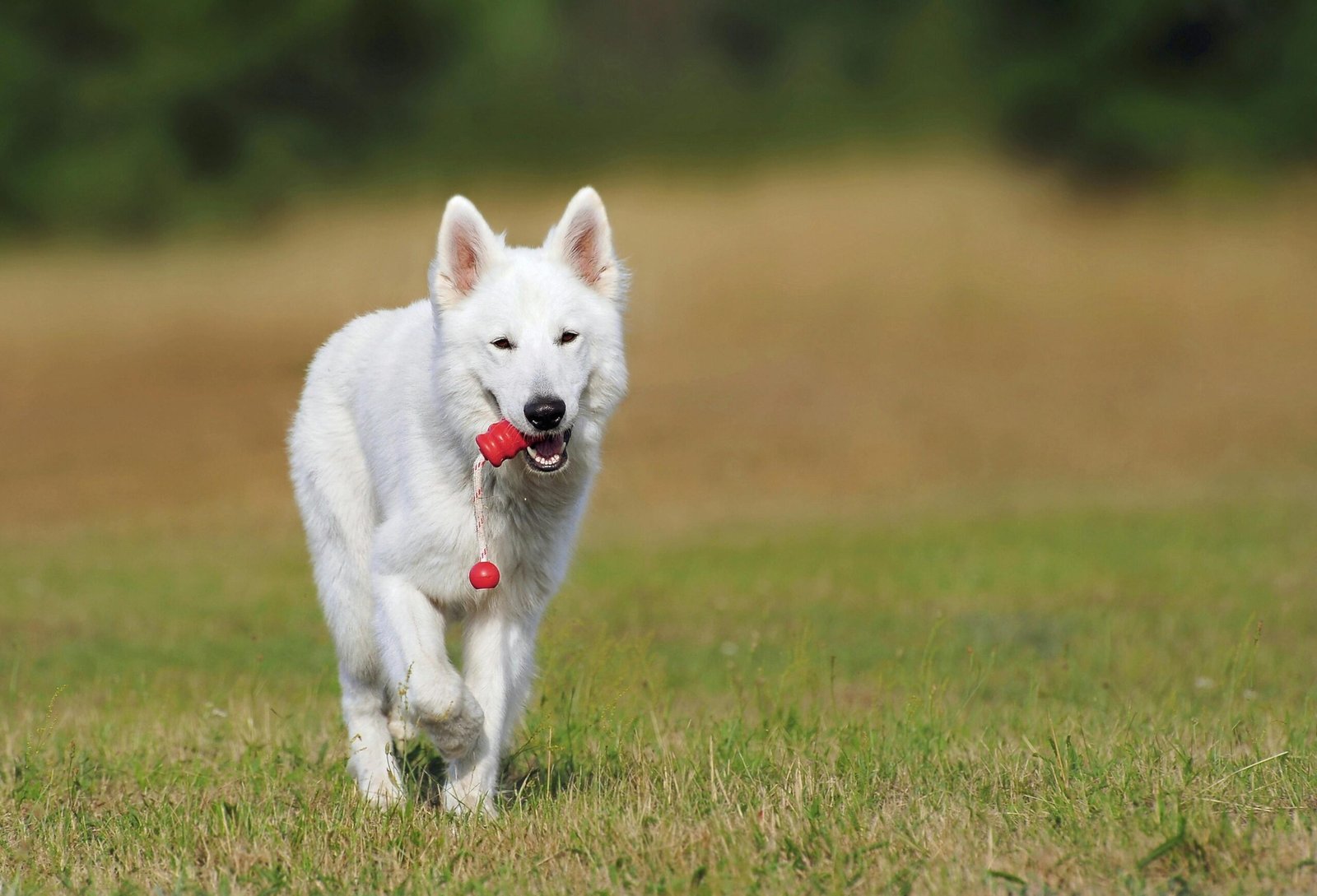
Many dogs will happily chase a toy but refuse to bring it back. To teach the return, start in a hallway or small room where your dog has limited options to run off. Toss the toy a short distance and use an encouraging tone as your dog runs toward it. When they pick it up, immediately call them back using their name and a cue like “come” or “bring it.” Back away from your dog as they turn toward you—moving away can trigger your dog’s instinct to follow. When they reach you, offer a high-value treat or another identical toy to trade for the one in their mouth. Avoid chasing your dog if they run away; this turns the game into a chase and reinforces the wrong behavior.
4. Introduce the Release Cue
Once your dog returns with the toy, they need to let go. Hold a treat near your dog’s nose and say “drop it” or “give.” As soon as they release the toy, mark the moment and reward them with the treat. If they drop the toy before you give the cue, don’t reward them—wait until they hold it until asked. Practice this exchange consistently, gradually phasing out treats in favor of praise or throwing the toy again as a reward. Eventually, your dog will associate bringing the toy back and dropping it as part of the fun.
5. Increase Distance and Distractions
When your dog consistently fetches and returns the toy indoors, gradually increase the distance and add distractions. Move to a fenced yard or quiet park and toss the toy farther. Continue to use your cues and rewards. If your dog becomes distracted, shorten the distance and reduce the difficulty before building up again. Practice in different environments to generalize the behavior so your dog knows “fetch” means the same thing everywhere. Keep training sessions short—5 to 10 minutes—to prevent boredom and end on a positive note with a success.
6. Add the Cue Word
Once your dog understands the sequence of chasing, picking up, returning and dropping the toy, add a specific cue word like “fetch.” Say the cue before you throw the toy. Your dog will learn to associate the word with the game and anticipate the action. With repetition, you can use the cue without having to wave or point at the toy.
Troubleshooting Common Issues
Even with a clear plan, some dogs present unique challenges when learning to fetch. One common problem is the dog who chases the toy but refuses to bring it back. This often stems from a desire to keep the toy as a prize or an invitation for you to chase them. To fix this, use two identical toys: throw one, and when your dog picks it up, show them the second toy. Most dogs will drop the first toy to chase the second. Praise them when they do and repeat the process, gradually phasing out the second toy as they learn the pattern.
If your dog shows no interest in the toy, experiment with different items, textures and sizes. Some dogs prefer soft plush toys, while others like rubber balls or rope toys. Incorporate food rewards to build motivation—for example, throw the toy and toss a treat in the same direction so your dog associates running out with finding something good. Another issue is dogs who grab the toy but won’t drop it. Don’t tug or forcibly remove the toy; this can turn into a game of keep-away. Instead, present a high-value treat or a more exciting toy and wait for your dog to voluntarily release the object. Mark and reward the instant they open their mouth.
Some dogs become overstimulated and may nip at your hand when grabbing the toy or treat. In this case, practice calm exchanges: hold the toy still, wait for your dog to gently take it, and teach an “easy” cue. Additionally, remember that not all breeds are natural retrievers. Hounds, guardian breeds and brachycephalic (short-nosed) breeds may not take to fetch as quickly as retrievers or herding dogs. That doesn’t mean they can’t enjoy the game; it simply requires patience and adaptation to their pace and abilities.
Variations and Advanced Fetch Games
Once your dog masters basic fetch, you can spice up the game with variations that challenge their mind and body. Try playing fetch on a hill or over obstacles to build muscle and coordination. Introduce different types of throws—underhand, overhand or rolling the toy along the ground—to improve your dog’s tracking skills. Use a frisbee to encourage jumping and agility, but ensure your dog warms up first to prevent injury. For water-loving dogs, fetch can involve tossing a floating toy into a pond or pool; always prioritize safety and use a canine life jacket if necessary.
You can also incorporate obedience into fetch. Ask your dog to perform a sit or down before you throw the toy, or require them to hold a stay until you release them to fetch. This builds impulse control and reinforces other cues during play. Hide-and-seek fetch is another great mental workout: while your dog waits out of sight, hide the toy somewhere in the yard, then release them to search and retrieve it. Use scent markers or partially bury the toy to increase difficulty.
Safety Considerations
Although fetch seems straightforward, it’s important to play safely. Always check the area for hazards like sharp rocks, broken glass or toxic plants. Avoid playing fetch near roads or in unfenced areas where your dog could run off. In hot weather, limit intense fetch sessions to cooler parts of the day, bring plenty of water and take breaks to prevent overheating. Large dogs, puppies and senior dogs are prone to joint injuries, so use soft throws and avoid repetitive high jumps. Consider your dog’s breed and health; brachycephalic dogs can overheat quickly, and dogs with hip dysplasia or arthritis may need gentler activities.
If you’re throwing balls with a ball launcher, be cautious. While launchers are great for throwing long distances, repeated hard impacts can stress your dog’s joints. Mix up short and long throws, and prioritize quality over quantity. Watch your dog for signs of fatigue, such as excessive panting, lagging behind or refusing to chase. End the game before your dog is exhausted to keep fetch fun and positive.
Conclusion
Teaching your dog to fetch is a rewarding experience that combines play, exercise and training into one enjoyable activity. By selecting the right toy, following a gradual training process, addressing obstacles with patience and creativity, and adding variety to keep things interesting, you’ll set your dog up for success. Remember that every dog learns at their own pace—some may sprint down the aisle after the first toss, while others need weeks of practice. With consistency and positive reinforcement, you and your dog will soon share countless hours of fetch, strengthening your bond and creating happy memories along the way.