Introduction: The Joy of Traveling with Aging Companions
Our dogs are family, and it’s only natural to want them by our side on life’s adventures. As dogs enter their golden years, they may slow down physically, but their love for new experiences often remains strong. Traveling with a senior dog requires extra planning and compassion to ensure their comfort and safety. With thoughtful preparation and attention to their needs, you can continue making memories together — whether you’re visiting family, exploring nature, or relocating across the country.
Health Check and Pre-Trip Preparation
Before planning any trip, schedule a comprehensive veterinary exam. A geriatric assessment can evaluate organ function, mobility, and overall fitness for travel. For air travel, many airlines require a health certificate issued within a specific time frame.
During your visit, discuss:
- Mobility and pain management: Arthritis and joint stiffness are common in older dogs. Adjust medications if needed.
- Medication timing: Align dosing schedules with travel times and pack extra doses.
- Motion sickness prevention: Ask about anti-nausea options if your dog struggles in the car.
- Identification: Ensure your dog is microchipped and wearing updated ID tags.
If your veterinarian feels travel would be too stressful or unsafe, consider whether staying home with a trusted caregiver may be the kinder choice.
Packing Essentials for Senior Dogs
Staying organized makes travel smoother. Create a checklist to avoid last-minute stress.
- Food and water: Bring your dog’s regular diet to prevent digestive upset. Pack collapsible bowls and bottled water if needed.
- Medications and supplements: Keep them in labeled containers and track dosing times.
- Comfort items: Familiar bedding, toys, or a shirt with your scent can reduce anxiety.
- Mobility aids: Ramps, harnesses, or strollers help dogs with joint issues.
- First-aid kit: Include bandages, antiseptic wipes, tweezers, and emergency medications.
- Cleaning supplies: Pack extra towels and wipes in case of accidents.
- Documentation: Bring vaccination records and contact details for your regular vet.
Choosing Senior-Friendly Transportation
Traveling by Car
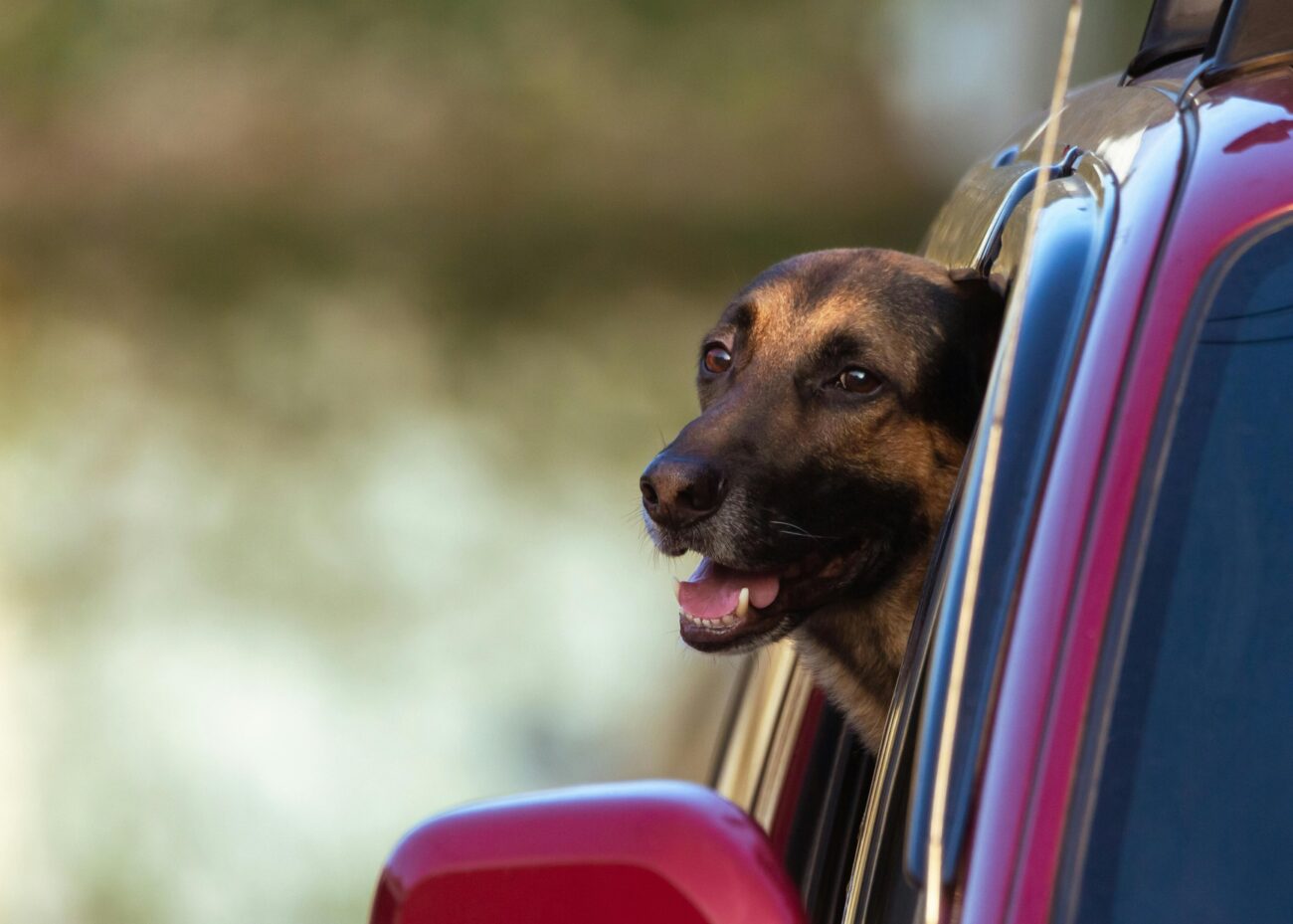
Driving is often the easiest option for older dogs because you control the schedule and environment.
- Secure your dog: Use a crash-tested crate, car harness, or seat barrier.
- Plan frequent breaks: Stop every two hours to stretch, hydrate, and relieve stiff joints.
- Maintain comfortable temperatures: Seniors are more sensitive to heat and cold.
- Keep meals light before departure: This reduces nausea.
Flying with Senior Dogs
Air travel can be stressful for aging pets. Whenever possible, choose in-cabin travel so your dog remains near you. If cargo transport is unavoidable, select direct flights and airlines known for careful animal handling.
Avoid sedatives unless specifically directed by your veterinarian, as they can affect breathing. Acclimate your dog gradually to their travel crate at home before the trip. On travel day, include familiar bedding and clearly label the crate with your contact information.
Finding Pet-Friendly Accommodations
Choose accommodations that support senior comfort. Look for elevators if stairs are difficult, non-slip flooring, and quiet environments. Confirm pet policies in advance.
Upon arrival:
- Inspect the room for hazards.
- Create a quiet corner with bedding and water.
- Maintain feeding and walking routines.
- Use baby gates or crates if leaving your dog unattended.
Planning Activities with a Senior Dog
Travel with older dogs is about pacing. Swap long hikes for gentle walks. Schedule rest breaks and avoid peak heat. Consider scenic drives, patio dining, or calm outdoor areas instead of strenuous excursions.
Watch for signs of fatigue such as excessive panting, stiffness, or reluctance to move. Allow your dog to opt out of activities when needed. The goal is shared enjoyment, not a packed itinerary.
Emergency Planning
Research veterinary clinics along your route and at your destination. Save their contact details in your phone. If your dog has chronic health conditions, carry a summary of their medical records.
Sometimes, travel simply isn’t in a senior dog’s best interest. A trusted pet sitter or reputable boarding facility may provide a calmer experience. Prioritize your dog’s well-being over convenience.
Conclusion: Cherishing Every Journey
Senior dogs may move slower, but their companionship remains just as meaningful. With thoughtful planning, flexible expectations, and close attention to comfort, you can continue sharing adventures in their golden years. Whether it’s a short road trip or a cross-country move, what matters most is the time spent together. Slow down, savor the moments, and let your seasoned companion enjoy the journey at their own pace.