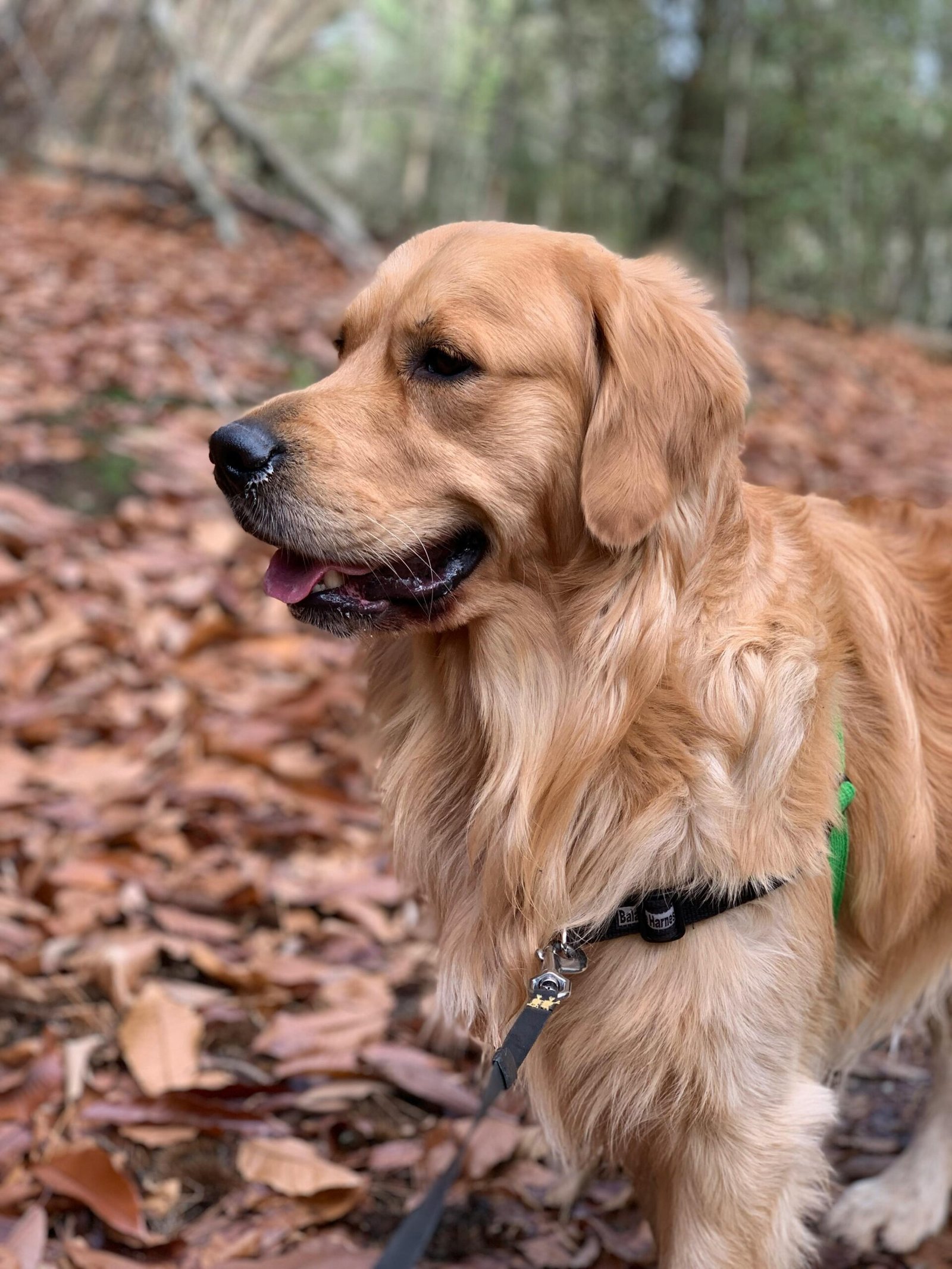

If you’ve ever met a Vizsla, you know they have a way of sticking with you – literally and figuratively. These sleek, rust‑colored dogs were bred as the ultimate companions for Hungarian nobility, and today they’re just as comfortable curled up on your couch as they are racing across a field on a hunting trip. Behind the beautiful amber eyes is a dog bursting with energy, intelligence and devotion. This guide will walk you through everything you need to know about the Vizsla’s history, appearance, personality, training and care so you can decide whether this versatile pointer is right for your family.
A Brief History of the Vizsla
The Vizsla is one of the oldest sporting breeds in Europe. While their exact origins are lost to history, their ancestors likely traveled with Magyar tribes that migrated from the steppes of Asia to what is now Hungary more than a thousand years ago. Early records and art from the 10th century depict a reddish‑coated hunting dog that could flush and point birds for falconers. Through the centuries the breed was refined by Hungarian nobility who wanted a dog capable of working closely with a hunter while also being a loyal family companion.
Vizslas nearly vanished after both World War I and World War II. Food shortages and political turmoil devastated many European dog breeds, and the Vizsla was no exception. Dedicated breeders smuggled dogs out of Hungary to Austria and the United States to preserve the bloodlines. The American Kennel Club recognized the breed in 1960, and since then Vizslas have gained fans around the world for their versatility as gun dogs, field trial competitors, agility dogs and affectionate pets.
Appearance: Sleek and Rust‑Colored
At first glance, a Vizsla’s chiseled build and golden‑rust coat turn heads. Males typically stand 22‑24 inches tall at the shoulder and weigh 55‑65 pounds; females are slightly smaller at 21‑23 inches and 45‑55 pounds. Their sleek bodies are built for speed and endurance, with a deep chest, muscular hindquarters and graceful neck. One of the Vizsla’s most distinctive features is its short, dense coat that comes in shades of copper to dark rust. This coat is easy to care for – it doesn’t hold much odor or dirt – but it does require some brushing to keep the skin healthy and minimize shedding.
The breed standard calls for a docked tail, but in many countries docking is illegal and natural tails are left intact. Vizslas have floppy ears that frame their expressive faces. Their eyes match the color of their coat and seem to radiate warmth and intelligence. Because they have little body fat and minimal coat, Vizslas are sensitive to extreme temperatures. They need a coat or sweater in very cold weather and should never be left outside in hot weather without shade and water.
Temperament: Velcro Dogs Who Live for Their People
Vizslas are often called “Velcro dogs” for good reason: they thrive on human companionship and love nothing more than being part of the family. Expect your Vizsla to follow you from room to room, lean against your legs while you cook, and curl up on your lap despite their medium size. This need for closeness means Vizslas are not suited to spending long hours alone. A bored or lonely Vizsla will find ways to entertain himself – often by chewing furniture, digging or escaping the yard – so plan on giving him plenty of attention and mental stimulation.
Underneath their affectionate nature is an athlete with a strong prey drive. Vizslas were bred to work in the field and they retain a lot of instinctual behaviors such as pointing, retrieving and scenting. They are typically eager to please and sensitive to their owner’s tone of voice, which makes them responsive learners. However, their intelligence and sensitivity also mean harsh training methods or inconsistency can backfire. Gentle, positive training and lots of praise go a long way with this breed.
When socialized properly, most Vizslas are friendly with people and other dogs. They often bond closely with children and can make excellent family companions, but their energy may overwhelm very young kids. Because they were bred to work closely with their human partner, Vizslas can be prone to separation anxiety if left alone too much. Early training in crate use and alone‑time practice can prevent this issue.
Training and Exercise Needs
One of the most important considerations before bringing home a Vizsla is exercise. This is a high‑energy breed that needs daily outlets for both body and mind. Plan on at least one to two hours of activity each day, broken into walks, runs, hikes, games of fetch or training sessions. Vizslas excel in dog sports such as agility, dock diving, tracking and of course field trials. Even if you’re not a hunter, you can satisfy your dog’s instincts by playing scent games or enrolling in nose work classes.
Formal obedience training should start early. Vizslas are intelligent and pick up new cues quickly, but they can be easily distracted if bored. Keep lessons short, varied and fun. Because Vizslas are sensitive souls, use positive reinforcement methods such as clicker training, treats and play to shape behaviors. Socialization is equally important: expose your puppy to a wide range of people, dogs, environments and noises during the first year of life. A well‑socialized Vizsla grows into a confident, adaptable adult.
While Vizslas make great running companions, be mindful of exercise demands on young dogs whose joints are still developing. Long runs and high‑impact activities should wait until your dog is at least 12‑18 months old. In the meantime, stick to controlled leash walks, fetch in the yard and mental games.
Health and Lifespan
Vizslas are generally healthy dogs with a life expectancy of 12‑15 years. Like all breeds, they are prone to certain hereditary conditions, so responsible breeders perform health screenings before breeding. Common issues include hip dysplasia, elbow dysplasia, autoimmune disorders, hypothyroidism and eye problems such as entropion. Some Vizslas are prone to epilepsy or allergies. Ask breeders for proof of OFA (Orthopedic Foundation for Animals) hip and elbow certification and an eye exam.
Because Vizslas have little body fat, they are sensitive to anesthetics and certain medications. Always let your veterinarian know if your dog is going under anesthesia. The breed can also be prone to ear infections due to their floppy ears; check and clean ears regularly to prevent moisture build‑up. Providing a high‑quality diet, maintaining a healthy weight and keeping up with veterinary check‑ups will go a long way toward ensuring your Vizsla enjoys a long, active life.
Grooming and General Care
One of the perks of owning a Vizsla is low grooming maintenance. Their short coat doesn’t mat or tangle, and a weekly brush‑through with a rubber curry or grooming mitt is usually sufficient. More frequent brushing during seasonal shedding periods will keep hair around the house to a minimum. Bathe your Vizsla only when needed; over‑bathing can strip the coat of natural oils. As with all dogs, trim nails regularly, brush teeth several times a week and inspect ears for redness or odor.
Because Vizslas love to stay close to their family, they often live indoors. Provide them with a comfortable bed in your living space and interactive toys to keep them busy. Puzzle feeders, treat‑dispensing toys and regular training sessions will help channel their mental energy. Crate training is recommended for young Vizslas to provide a safe space when you can’t supervise and to help with housetraining.
Is a Vizsla Right for You?
Vizslas are incredible dogs for the right households. They thrive with active individuals or families who enjoy outdoor adventures and want a dog that will accompany them on hikes, runs and camping trips. Vizslas do not do well with sedentary lifestyles or with owners who are out of the house for long workdays. They require time, training and commitment to meet their exercise and social needs.
If you’re considering a Vizsla, be honest about your ability to provide ample physical and mental stimulation. Are you willing to spend your weekends exploring trails or attending dog sport classes? Can you commit to training consistently and using positive methods? If the answer is yes, you’ll be rewarded with a loving, affectionate dog who will be your shadow.
Pros and Cons of Living With a Vizsla
Pros:
- Highly affectionate and loyal; they bond closely with their people.
- Intelligent and trainable with positive reinforcement.
- Versatile dogs that excel in many activities and dog sports.
- Low grooming needs and minimal doggy odor.
- Generally healthy with a long lifespan.
Cons:
- High exercise and mental stimulation needs that can be challenging for busy households.
- Can develop separation anxiety if left alone too much.
- Not ideal for apartment living unless you are exceptionally active.
- Sensitive to extreme temperatures due to short coat.
- May become destructive without proper training and outlets for energy.
Conclusion
From their noble Hungarian heritage to their modern role as beloved family companions, Vizslas are truly a special breed. Their combination of athleticism, intelligence and unwavering loyalty makes them stand out among sporting dogs. But like any breed, they are not the perfect match for every home. Understanding their history, temperament and care needs will help you determine whether you can provide the active, involved lifestyle these “Velcro dogs” crave. If you’re ready for a lifelong adventure partner who will shower you with affection and enthusiasm, the Vizsla may be just the dog you’ve been looking for.