
Introduction
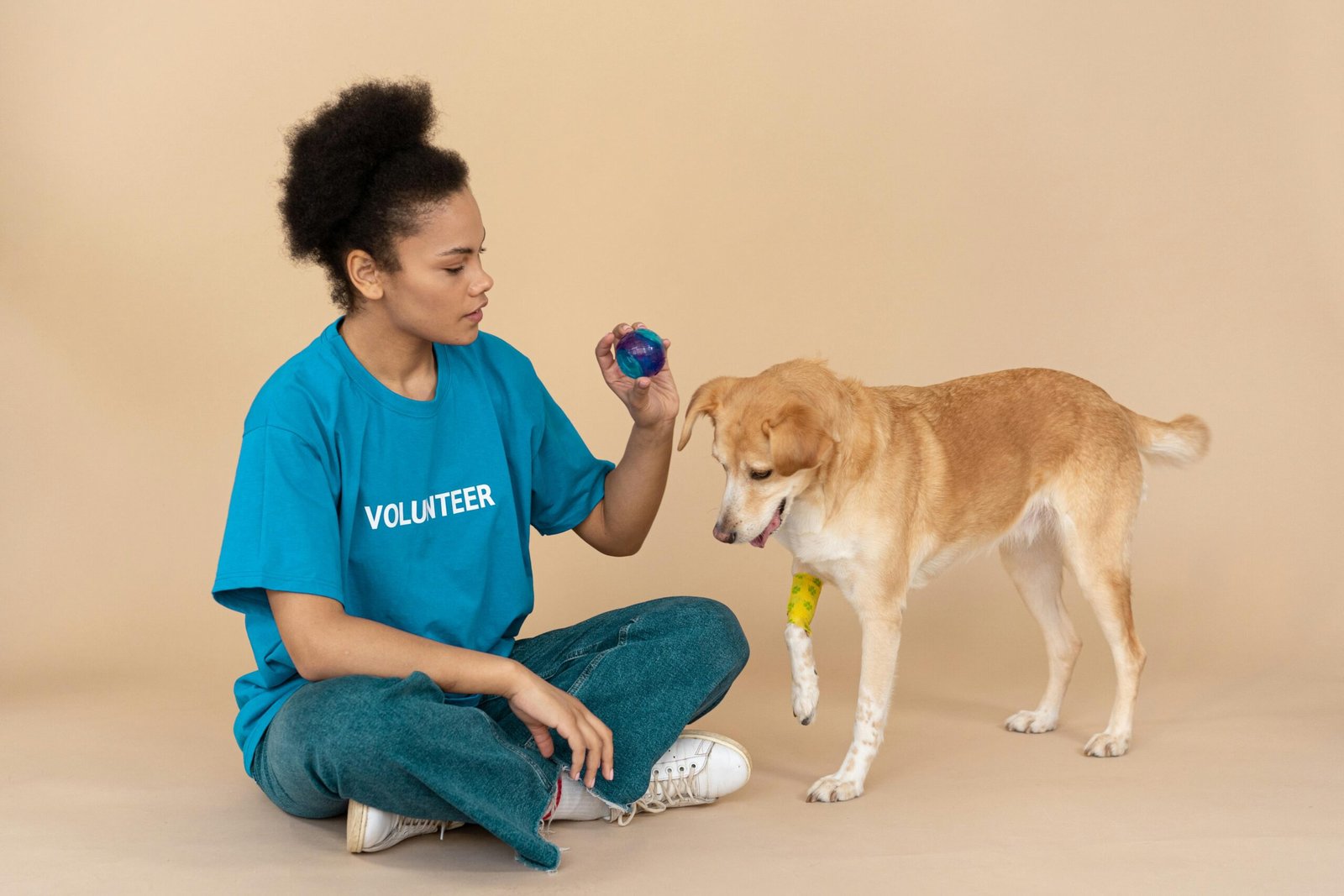
Dogs have a remarkable ability to bring comfort, laughter, and healing wherever they go. From nursing homes to schools and hospitals, therapy dogs brighten lives and remind people of unconditional love. Volunteering with your dog isn’t just rewarding for others — it’s transformative for both of you. Together, you’ll strengthen your bond, grow as a team, and spread joy wherever paws take you.
1. Why Volunteer With Your Dog?
Volunteering offers emotional and social rewards for both humans and dogs. It helps your pup stay mentally stimulated, socially confident, and purpose-driven — while you contribute to your community in a truly special way.
- ❤️ Emotional benefit: Dogs reduce stress and anxiety in others, especially in hospitals or senior homes.
- 👥 Community connection: Meet like-minded people who share your passion for dogs and service.
- 🐶 Confidence builder: Therapy visits help dogs develop calmness, focus, and adaptability.
Pro Tip: Volunteering with your dog turns everyday companionship into meaningful impact.
2. Is Your Dog a Good Candidate?
Not every dog enjoys the busy environments that therapy work involves — and that’s okay. A therapy dog needs a specific mix of temperament and training:
- 🐾 Friendly but calm: Loves people and attention, but doesn’t jump or overwhelm them.
- 🧘 Patient and adaptable: Handles wheelchairs, loud noises, or new smells with ease.
- 🚫 Non-reactive: Doesn’t bark excessively or get nervous around other dogs.
- ❤️ Genuine affection: Enjoys cuddles and makes gentle eye contact with people.
If your dog thrives on social interaction and enjoys new experiences, they’re already halfway there.
3. Training Basics Before Certification
Before becoming an official therapy team, your dog should have strong foundational skills and manners. Focus on:
- 🦮 Loose-leash walking — especially in crowded spaces.
- 🪑 Calm “sit” or “down” on command — even with distractions.
- 🚫 “Leave it” cue — to ignore dropped items or unexpected movements.
Positive reinforcement builds confidence — keep sessions short and fun to maintain your dog’s enthusiasm.
4. Get Certified: Therapy Dog Organizations
To volunteer officially, you’ll need certification from a recognized therapy dog organization. These programs evaluate your dog’s obedience, social skills, and ability to remain calm in various situations.
- 🏥 Pet Partners — One of the most reputable programs in the U.S., offering nationwide opportunities.
- 🐕 Alliance of Therapy Dogs (ATD) — Focuses on real-world evaluations and team behavior.
- 🏫 Therapy Dogs International (TDI) — Provides structured certification and access to community projects.
Pro Tip: Many local humane societies also offer prep classes for certification testing.
5. Choosing Where to Volunteer
Once certified, you can choose from a range of rewarding environments:
- 🏥 Hospitals and nursing homes — Bringing comfort to patients and seniors.
- 📚 Reading programs — Kids practice reading aloud to calm, nonjudgmental dogs.
- 🏫 Schools and colleges — De-stressing students during exams.
- 🚒 Community outreach events — Promoting animal welfare or therapy awareness.
Find what aligns best with your dog’s personality. A mellow dog might love hospital work, while a playful one thrives in school visits.
6. Safety and Etiquette
Therapy work can be stimulating, so it’s important to prioritize safety — both for your dog and the people you visit.
- 🧼 Keep your dog clean and well-groomed before visits.
- 💉 Stay current on vaccinations and flea/tick prevention.
- 🧘 Respect your dog’s comfort — if they show signs of stress, take breaks.
- 👋 Always ask permission before allowing interactions.
Pro Tip: A calm, relaxed handler makes a calm, confident therapy dog. Your energy sets the tone.
7. The Emotional Rewards
Therapy visits can be life-changing — not just for those you meet, but for you as well. You’ll witness smiles, laughter, and tears of gratitude, and you’ll deepen your bond with your dog through every shared experience. Many volunteers describe the work as “healing for the heart” — for everyone involved.
8. Beyond Therapy: Other Volunteer Options
If formal therapy certification isn’t for you, there are still plenty of ways to give back with your pup:
- 🐕🦺 Animal shelters: Help socialize shy dogs or assist with adoption events.
- 🌳 Environmental projects: Join local clean-ups or charity walks with your dog.
- 🏃 Fundraising runs or walks: Participate in dog-friendly 5Ks for rescue causes.
Every act of service — big or small — creates positive ripples in your community.
9. Keeping the Experience Positive
End every volunteer session on a high note with praise, play, and treats. Limit visits to one or two hours, and always prioritize your dog’s emotional state. The best therapy dogs are happy, confident, and eager — not overworked or overstimulated.
Conclusion
Volunteering with your dog is one of the most fulfilling ways to strengthen your bond while making a difference. Whether you’re comforting patients, inspiring students, or simply spreading smiles, you and your pup become a team of kindness in action. It’s proof that the world really is better when shared with a dog’s love — one tail wag at a time. 🐾💖