
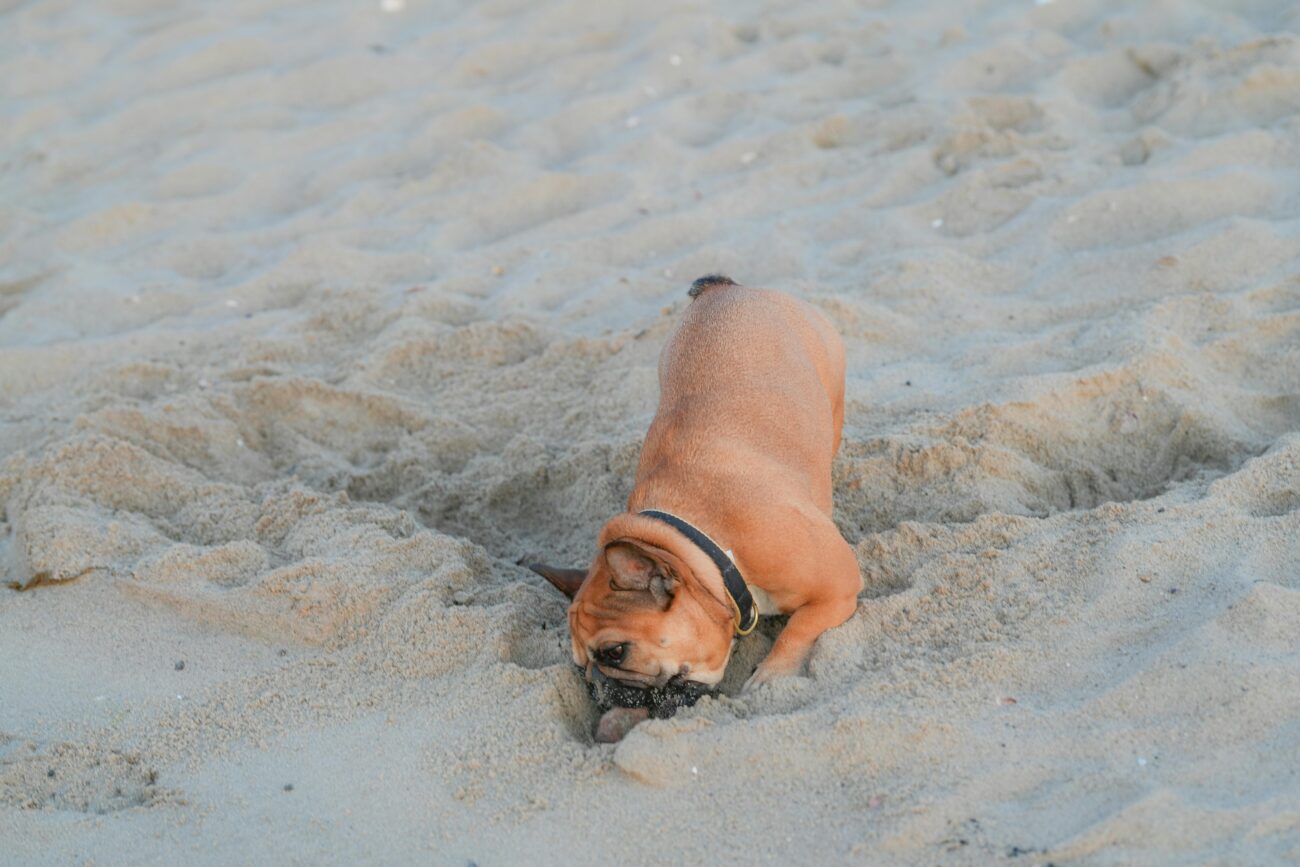
Few things frustrate dog owners more than discovering fresh holes in their yard. For dogs, digging is a natural instinct tied to genetics, comfort, and emotional needs. Understanding why dogs dig — and providing healthy outlets — helps protect your garden while keeping your pup happy.
Why Dogs Dig
Digging is normal canine behavior influenced by many factors. Dogs often dig due to:
- Instinctual Behavior – Breeds like Terriers, Dachshunds and Spitz dogs historically hunted underground prey. Digging is still instinctive today.
- Temperature Regulation – Dogs may dig shallow pits to cool off during heat or burrow to retain warmth.
- Burying Valuables – Bones, toys, and treats may be buried for later — a survival behavior from ancestral roots.
- Seeking Prey or Scents – Sounds of critters or interesting smells underground can trigger digging.
- Boredom & Excess Energy – Under-stimulated dogs dig for entertainment and sensory stimulation.
- Stress & Anxiety – Digging can be a coping mechanism for emotional tension or confinement stress.
- Attention Seeking – Reactions from owners can unintentionally reinforce digging behavior.
Assessing the Situation
Before addressing the issue, observe patterns:
- Location – Near fences, flower beds, or random areas?
- Timing – Only when alone, after certain triggers, or in specific weather?
- Behavior – Bored? anxious? excited? — observe body language.
Patterns help determine proper solutions.
Strategies to Manage Digging
Management involves prevention, redirection, and meeting your dog’s needs.
1. Provide Exercise & Enrichment
- Daily physical exercise – Walks, hikes, fetch, play based on energy level.
- Mental stimulation – Puzzle toys, scent games, trick training.
- Variety – Rotate activities and routes to keep things interesting.
2. Create a Designated Dig Zone
- Pick a spot away from garden beds — sandbox works great.
- Make it appealing – Loose soil, sand mixed in, bury toys or treats.
- Reward use and redirect gently when digging elsewhere.
3. Help With Weather-Driven Digging
- Provide shade/shelter – Cooling mats in summer, insulated beds in winter.
- Allow indoor access during extreme weather.
4. Remove Yard Pests
- Have professionals handle moles/insects safely — avoid chemicals harmful to dogs.
5. Reduce Anxiety & Separation Stress
- Gradual alone-time training to build comfort being solo.
- Comfort tools – music, toys, familiar scents when away.
- Seek professional help for severe anxiety.
6. Prevent Escape Digging
- Reinforce fence bases – chicken wire, concrete, or pavers.
- Supervise outdoors until habits improve.
- Increase enrichment to reduce urge to wander.
Training & Redirecting Behavior
- Interrupt gently and redirect to designated digging area.
- Teach commands like “leave it” or “stop.” Reward compliance.
- Reward good choices such as calm resting or using digging zone.
- Stay consistent — no mixed rules.
Garden & Dog Harmony Tips
- Raised beds or barriers to protect plants.
- Sturdy plant choices for dog-heavy yards.
- Rock mulch (safe, non-sharp) reduces digging desire.
- Supervise outdoor time to guide behavior.
When to Seek Professional Help
- Compulsive digging or self-injury behaviors.
- Severe anxiety symptoms like pacing or destructive chewing.
- Persistent escape attempts despite management efforts.
Conclusion
Digging is a natural dog behavior — the key is understanding why it happens. With exercise, enrichment, clear rules, and designated digging spaces, you can protect your yard while giving your dog safe, healthy ways to express natural instincts.



Good post. I be taught something more difficult on totally different blogs everyday. It would always be stimulating to read content material from different writers and practice a little bit something from their store. I’d favor to use some with the content material on my blog whether or not you don’t mind. Natually I’ll offer you a link on your web blog. Thanks for sharing.
It is truly a nice and useful piece of information. I am glad that you shared this helpful information with us. Please keep us up to date like this. Thank you for sharing.