
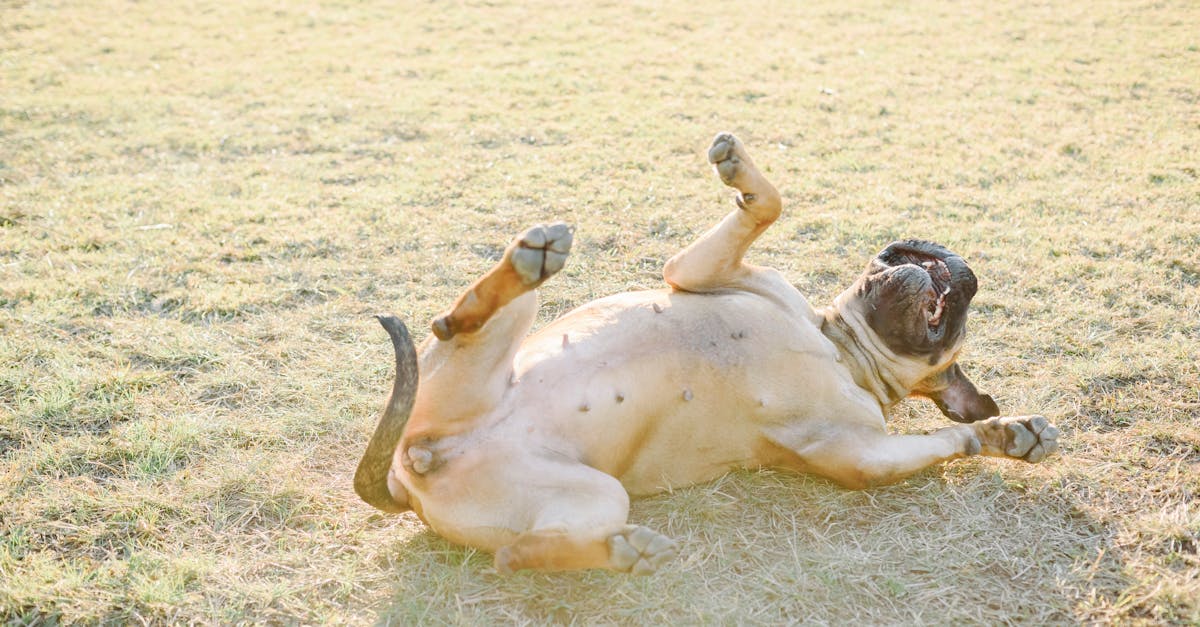
Dogs have an uncanny ability to find the stinkiest patch of grass, the muddiest puddle, or the most fragrant dead thing during a walk. They dive in enthusiastically, often wearing a blissful expression—while we stand nearby in horror. Although it may feel like they are trying to gross us out, rolling in smelly substances is a natural canine behavior with deep evolutionary roots.
Understanding why dogs roll in strong odors can help you manage the behavior while respecting your dog’s instincts.
Instinctive Roots: Survival and Communication
One long-standing theory suggests that dogs roll in strong smells to mask their own scent. In the wild, wolves and other canids may disguise their natural odor to avoid detection by prey or predators. Blending into the environment could improve hunting success and survival.
Another theory proposes that rolling in scent helps dogs communicate with their pack. When a dog discovers an interesting smell and rolls in it, they may be “bringing back” that scent to share information with others. In this way, rolling could serve as an olfactory report about the surrounding environment.
Adding to Their Scent Profile
Some researchers believe dogs aren’t masking their scent at all—they’re enhancing it. By layering new odors onto themselves, dogs may stand out within their social group. Observations of wolves suggest that returning pack members who rolled in strong scents sometimes receive extra attention from others.
For hunting or herding breeds, rolling in strong environmental smells may also provide camouflage, helping them blend into their surroundings while approaching animals with keen noses.
The Science Behind the Smell
Dogs experience scent in ways humans simply cannot imagine. Their sense of smell is estimated to be 10,000 to 100,000 times more sensitive than ours. With up to 300 million olfactory receptors—compared to about six million in humans—dogs detect layers of information in every odor.
Scent Receptors and Chemical Signals
Dogs also possess the vomeronasal organ (Jacobson’s organ), which detects pheromones and chemical signals. When your dog rolls in something pungent, they are immersing themselves in a complex sensory experience.
Some smells may simply feel good. Strong odors could stimulate pleasurable responses in the canine brain, similar to how humans enjoy certain perfumes or scents.
Possible Physical Relief
In some cases, rolling may provide physical relief. Dogs with mild skin irritation or allergies sometimes roll on their backs to scratch hard-to-reach areas. If rolling appears obsessive or unrelated to scent, it may be worth consulting a veterinarian.
Is Rolling in Smelly Things Dangerous?
Most of the time, rolling is more unpleasant than harmful. However, certain risks should be considered.
Potential Risks
- Toxic substances: Carcasses, pesticides, fertilizers, and chemicals can cling to fur and be ingested during grooming.
- Parasites: Feces and decaying animals may expose dogs to parasites like roundworms or tapeworms.
- Skin irritation: Some plants or substances can cause rashes or inflammation.
Keeping your dog current on parasite prevention and vaccinations reduces many risks. Still, it’s wise to discourage rolling in obviously dangerous materials.
How to Manage the Behavior
Rolling is instinctive, so the goal isn’t total elimination—but thoughtful management.
Teach a Reliable “Leave It” Cue
Practice the “leave it” command at home before using it outdoors. When your dog approaches something smelly, calmly give the cue and reward compliance. Avoid punishment after the fact—dogs won’t connect delayed corrections to the behavior.
Provide Safe Scent Enrichment
- Scent games: Hide treats or toys to satisfy natural sniffing instincts.
- Pet-safe herbs: Basil, parsley, or rosemary can provide interesting but safe smells.
- Puzzle toys: Mental stimulation reduces boredom-driven behaviors.
A well-exercised and mentally engaged dog is less likely to obsess over every odor encountered outdoors.
Cleaning Tips for Smelly Situations
- Rinse your dog outside before coming indoors.
- Use a gentle, dog-specific shampoo to neutralize odors.
- Check ears, paws, and skin folds for trapped debris.
- Dry thoroughly to prevent lingering smells.
Avoid over-bathing, which can strip natural oils and irritate skin. Between baths, grooming wipes and brushing can help maintain freshness.
When to Seek Professional Advice
Consult your veterinarian if rolling becomes obsessive, unrelated to scent, or is accompanied by signs of skin irritation, anxiety, or behavioral changes. In some cases, underlying allergies or medical conditions may be involved.
Conclusion
What may seem like a disgusting habit is actually a complex, instinct-driven behavior rooted in evolution and sensory exploration. Dogs roll in smelly things for reasons ranging from camouflage and communication to simple enjoyment. With consistent training, safe enrichment, and smart grooming practices, you can manage the behavior while respecting your dog’s natural instincts.
Sometimes, a little understanding—and a good shampoo—are all you need.